






The crisp air of autumn and winter offers a refreshing change for outdoor workouts. But as you finish that run, have you considered the shock your body feels? A proper cool-down is more than a formality—it's key to managing this transition safely.
The Shock to Your System
During
a brisk run or vigorous workout, your body is a furnace. Your heart rate is elevated, pumping oxygen-rich blood to your muscles, and your metabolic rate is high, generating significant heat. To prevent overheating, your blood vessels widen, especially those near the skin, to release that warmth. When you suddenly stop exercising in a cold environment, this entire process slams into reverse. Your heat production plummets. The cold air starts pulling warmth from your body, and your wet clothing accelerates this heat loss. Your body’s response is to constrict blood vessels to conserve core heat, but this abrupt shift can be a shock to your cardiovascular system. This is why stopping suddenly can leave you feeling dizzy, lightheaded, or intensely cold, even after you were just sweating.
How a Cool-Down Buffers the Change
The headline's idea that a 'warm-down' prevents temperature drops isn't about stopping the cold from feeling cold. Instead, it’s about giving your body the time to transition gracefully from a state of high exertion to rest. A cool-down acts as a buffer. By gradually decreasing your intensity—shifting from a run to a jog, and then to a walk—you allow your heart rate and breathing to return to normal slowly. This gradual process keeps blood circulating effectively, preventing it from pooling in your limbs, which is a primary cause of post-exercise dizziness. It allows your internal furnace to dial down rather than just shutting off, helping your system regulate the change and manage the rapid heat loss that occurs when you stop moving in the cold.
The Dangers of Skipping It
Finishing your run and heading straight indoors without a proper transition might seem efficient, but it carries risks. The most immediate is the potential for lightheadedness or even fainting, as your blood pressure can drop too quickly. Beyond that, abruptly stopping activity in the cold can make muscles feel tight and knotted. Sweat-soaked clothes against your skin in chilly air drastically accelerate heat loss, which can increase your risk of hypothermia, a dangerous drop in core body temperature. Symptoms of mild hypothermia include intense shivering and confusion. While a short workout is unlikely to cause severe hypothermia in most conditions, it highlights the importance of managing your body's transition to prevent unnecessary stress and potential danger.
Your 10-Minute Outdoor Cool-Down Plan
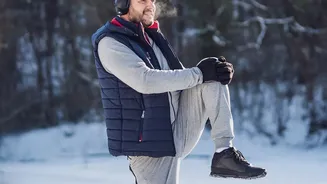
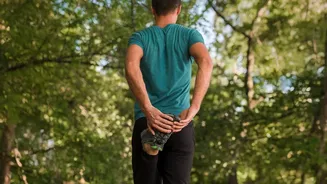
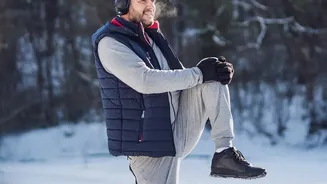
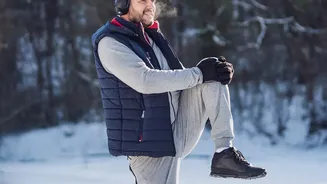
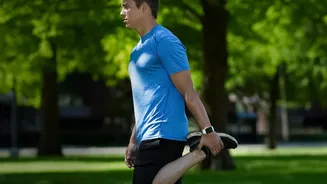
A cool-down doesn't need to be complicated. The key is gradual deceleration. For the final 5–10 minutes of your outdoor session, transition from your main exercise to a lower intensity. If you were running, slow to a jog for three to five minutes, then a brisk walk for another three to five. This is the most crucial step. Once you're back home or near your car, perform some gentle, static stretches for major muscle groups like your hamstrings, quads, and calves. Hold each stretch for 20–30 seconds. The most important final step is to get out of your damp workout clothes as soon as possible. Wet clothing loses its insulating properties and will continue to pull heat from your body long after you've stopped moving. Changing into dry, warm clothes is a critical part of helping your body return to a stable temperature.
Dressing for Cold Weather Success
Your strategy for managing temperature begins before the workout even starts. Dressing in layers is essential. Start with a base layer made of a synthetic, moisture–wicking fabric that pulls sweat away from your skin. Avoid cotton, which holds moisture and will make you feel colder. Add an insulating middle layer, like a fleece, for warmth. Finally, an outer layer that is wind and water–resistant will protect you from the elements. This layering system allows you to adjust your clothing as your body heats up during the workout and then bundle back up as you begin your cool–down. Remember, you will generate a lot of heat while exercising, so it's okay to start your workout feeling slightly cool.