
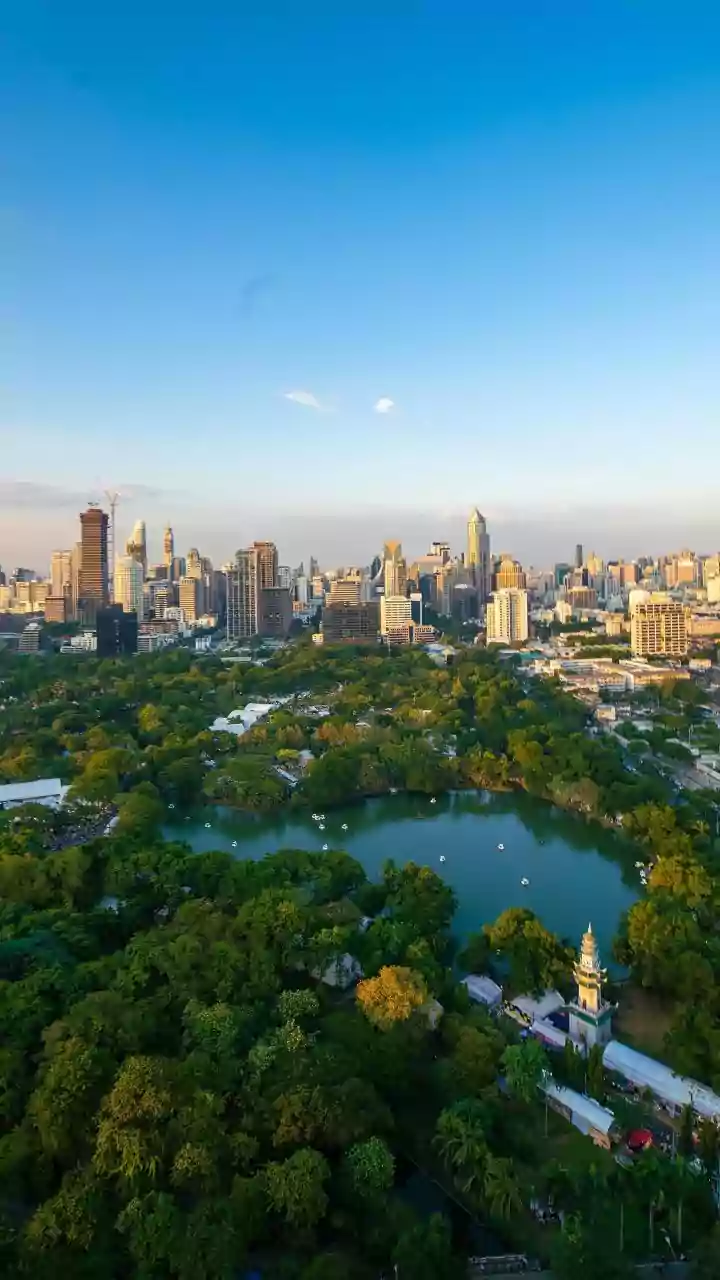

Long before the city's traffic begins its daily roar, a different kind of energy is building in India's urban parks. As dawn breaks, these green lungs fill with residents reclaiming the morning hours for health, wellness, and connection.
From Quiet Green to Community Gym
The transformation
is a daily spectacle. In cities like Bengaluru, Mumbai, and Delhi, spaces once reserved for quiet strolls are now buzzing with activity. What was once the solitary domain of elderly walkers has evolved into a multi-generational fitness festival. Parks like Cubbon Park in Bengaluru and Priyadarshini Park in Mumbai are now synonymous with morning fitness, drawing crowds for everything from brisk runs to organized classes. This isn't about expensive gym memberships or high-tech equipment; it's a grassroots movement towards accessible wellness. The open air, the natural surroundings, and the sense of community offer a powerful alternative to enclosed gyms, turning public land into dynamic, open-air wellness centres.
A Medley of Morning Movement
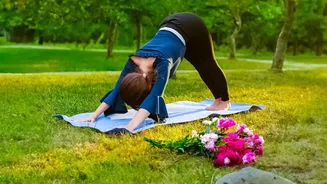
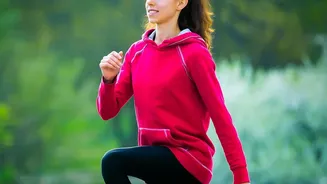
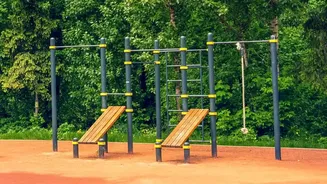
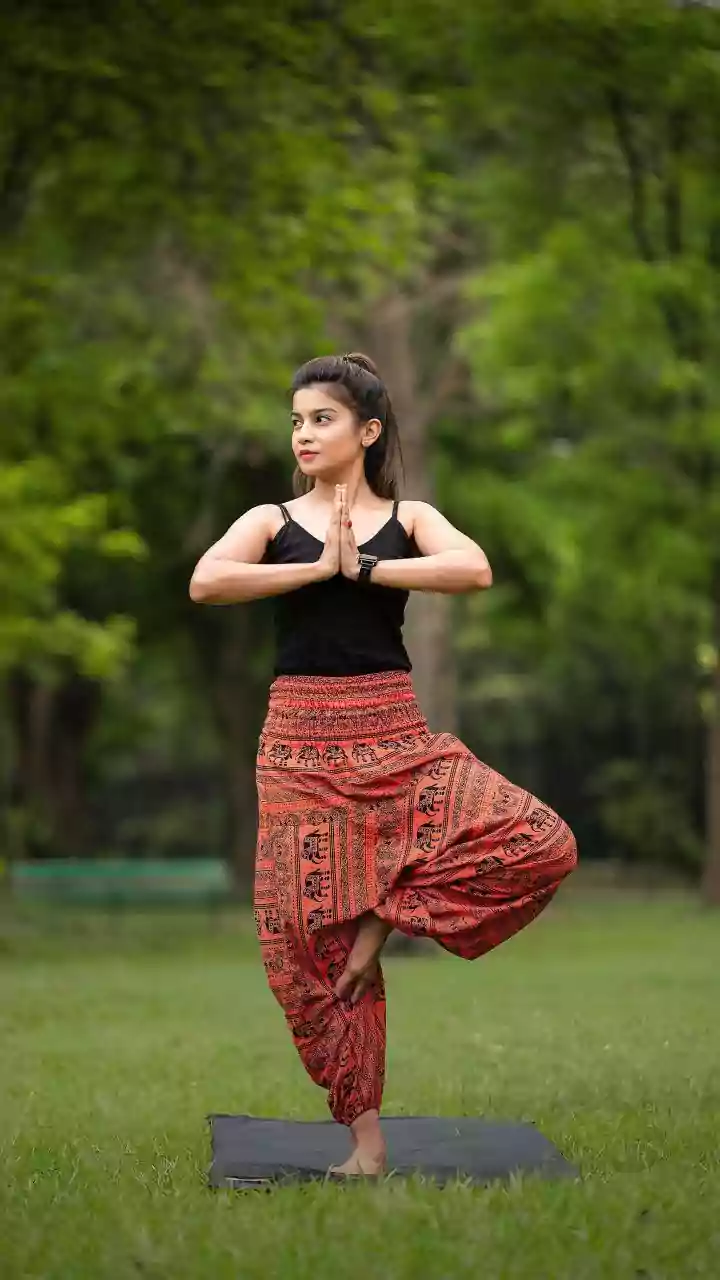
The range of activities is as diverse as the people who participate. Walk through any major park in the morning and you'll find distinct groups engaged in their preferred routines. In one corner, a serene yoga class moves through sun salutations. Nearby, a group of runners coordinates their daily route. Elsewhere, you might hear the rhythmic clap and chant of a Laughter Yoga club, a concept that first started in a Mumbai park in 1995 and has since spread widely. These clubs practice simulated laughter combined with deep breathing, a technique believed to offer therapeutic benefits. It’s common to see informal badminton games, calisthenics groups using newly installed outdoor equipment, and martial arts practitioners perfecting their forms. This variety ensures there is something for every age and fitness level, making the parks truly inclusive spaces.
More Than Just a Workout
A key driver of this trend is the search for connection in often-isolating urban environments. For many, especially young professionals and those who have moved to a new city, these morning gatherings are an antidote to loneliness. The informal, low-pressure setting of a park makes it easier to forge friendships than in more structured environments. Running clubs and walking groups, often organized through WhatsApp or social media, become 'third places'—social hubs outside of home and work where community is built. The conversation flows easily while walking side-by-side, and the shared goal of showing up each morning creates a powerful bond. It’s a shift from viewing exercise as a solitary chore to a social, enjoyable part of the day.
The PoststPandemic Pull Outdoors
While outdoor exercise is not new, the pandemic acted as a significant catalyst. With gyms and indoor spaces closed or considered high risk, people rediscovered the benefits and safety of the outdoors. This shift has had a lasting impact, with many retaining their open air routines. The mental health benefits are a major factor. Scientific studies confirm that exercising in nature can lower stress hormones, reduce anxiety, and improve mood. The combination of physical activity, fresh air, and sunlight is a potent recipe for well being. Furthermore, this trend represents a reclamation of public space. As more residents use parks for health and community, it reinforces their value as essential urban infrastructure, vital for both physical and social health.