




What is Smart Reading Software?
At its core, smart reading software is a form of 'adaptive learning technology'. Unlike a static digital textbook or a simple quiz app, this software dynamically adjusts the difficulty and content of reading assignments and tests in real-time. It uses
algorithms to analyse a student's performance—how quickly they read, which questions they answer correctly, and where they stumble. Based on this continuous feedback loop, the software curates a unique learning path for each user. For a student struggling with comprehension, it might offer simpler texts and more foundational questions. For an advanced reader, it will serve up complex articles and challenging vocabulary to keep them engaged and growing. It’s the digital equivalent of a personal tutor who knows exactly when to push you and when to review the basics.
How It Works: An AI-Powered Tutor
The magic behind this technology is a blend of data analytics and artificial intelligence (AI). When a student first uses the software, they typically complete an initial diagnostic test to establish a baseline reading level. From that point on, every interaction is a data point. Did the student pause for a long time on a particular paragraph? Did they consistently miss questions related to making inferences? The software logs all of it. This data feeds an algorithm that identifies patterns in the student’s learning. It understands that the student has mastered identifying the main idea but struggles with understanding the author's tone. Consequently, the next assignment will automatically include more practice on tone, perhaps with built-in hints or simplified explanations. This process makes homework less about rote completion and more about targeted skill improvement.
The Promise: Personalised Learning at Scale
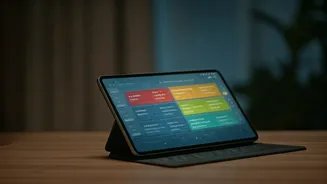
In a country like India, where classroom sizes can be large, providing individualised attention to every student is a monumental challenge for even the most dedicated teachers. This is where smart software offers its greatest promise. It can help bridge the learning gaps that inevitably form in a one-size-fits-all system. Students who are falling behind can get the support they need without feeling singled out, while high-achievers are continuously challenged instead of feeling bored. For teachers, these platforms are powerful assistants. They automate the tedious process of creating differentiated worksheets and grading them. More importantly, they provide teachers with a detailed dashboard of each student's strengths and weaknesses, allowing them to focus their limited time on providing targeted, human intervention where it's needed most.
The Challenges and Concerns
Despite the benefits, the rise of adaptive learning isn't without its concerns. A primary worry is the potential for over-reliance on technology and increased screen time for children. Critics also point to the 'digital divide'—unequal access to reliable internet and devices could mean that this technology benefits affluent students more, potentially widening existing educational disparities. Furthermore, there are valid questions about data privacy. These platforms collect a vast amount of information about a child's learning habits; ensuring that this data is used ethically and securely is paramount. Finally, there's the risk of devaluing the human element of teaching. Education is not just about information transfer; it's about mentorship, inspiration, and social-emotional learning, aspects that an algorithm cannot replicate.
The Future in Indian Classrooms
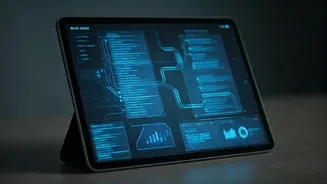
The adoption of EdTech, including smart reading software, has accelerated rapidly across India, especially in the wake of the pandemic. Several homegrown and international platforms are already being used in private schools and by parents seeking supplemental education for their children. The key to successful integration lies in viewing this technology not as a replacement for teachers, but as a powerful tool to augment their efforts. When used thoughtfully, it can handle the mechanical aspects of practice and assessment, freeing up educators to do what they do best: inspire, guide, and connect with their students on a human level. The future isn't about choosing between a teacher and a tablet, but about finding the right balance to create a more effective and equitable learning environment for every child.