





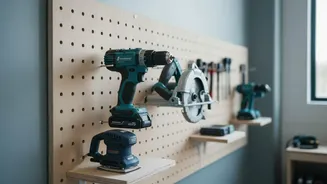
What is a Community Tool Library?
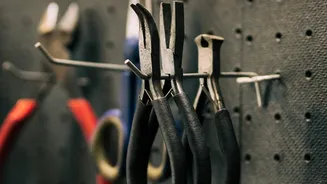
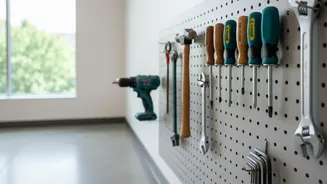
Imagine a public library, but instead of borrowing books, you check out hammers, power drills, ladders, and even lawnmowers. That’s the simple, brilliant concept behind a tool-sharing library. In the context of an urban housing society, it's a shared
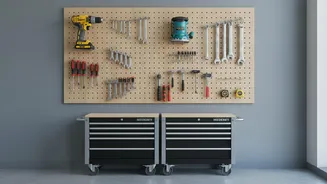
collection of tools accessible to all residents. This model of 'collaborative consumption' focuses on access over individual ownership. Much like residents already share spaces like gyms or laundry rooms, a tool library is a logical next step, creating a centralized resource for everyone’s occasional DIY needs. The inventory can range from basic hand tools for minor repairs to more specialized equipment for bigger projects, all housed in a common area like a storeroom or a designated corner of the basement.
The Ultimate Hack for Saving Money and Space
Let’s face it: quality tools are expensive, and for most urban residents, they are rarely used. The average power drill, for example, is reportedly used for a mere 13 minutes in its entire lifetime. For city dwellers in apartments where every square foot is precious, storing a bulky toolbox is impractical. A tool library elegantly solves both problems. Residents can avoid the significant upfront cost of buying a tool they might only use once a year. This removes the financial barrier to home maintenance and improvement projects. Furthermore, it frees up valuable storage space in individual flats, a major advantage in the compact homes of metropolitan India.
More Than Tools: Building a Real Community
Beyond the practical benefits, tool libraries serve a vital social function. They act as natural hubs where neighbours can interact, share knowledge, and help one another. When you borrow a tool, you might also get tips from the person who used it last or from a volunteer running the library. This fosters conversations and collaborations that might not happen otherwise. These small interactions build trust and strengthen neighbourhood bonds, transforming a collection of individual households into a more connected and supportive community. In an age where urban isolation can be a real issue, these initiatives create a welcome sense of belonging and mutual support.
An Eco-Friendly Choice for Modern Living
The sharing economy, which includes everything from ride-sharing to co-living spaces, is gaining momentum in India, driven by a desire for efficiency and sustainability. Tool libraries are a perfect example of this mindset. By sharing a single set of high-quality tools among many households, communities drastically reduce overall consumption. This means less manufacturing, less packaging, and less waste ending up in landfills. It’s a simple yet powerful way for residents to collectively lower their carbon footprint. For a growing number of environmentally conscious urbanites, choosing to borrow instead of buy is an empowering and responsible decision that aligns with a minimalist, sustainable lifestyle.
Getting Started in Your Own Society
Inspired to start a tool library in your apartment complex? The process is more straightforward than it might seem. It often begins with a small group of enthusiastic residents. The first step is to gauge interest through a community survey to see what tools people need most. From there, a committee can be formed to figure out logistics like finding a secure location, sourcing initial tools (often through donations from residents), and establishing a simple check-out system. Many successful tool libraries use a basic sign-out sheet or a simple app to track inventory. There are numerous online guides and starter kits that can walk a community through the process, from funding to insurance.