
Secure Your Electronics
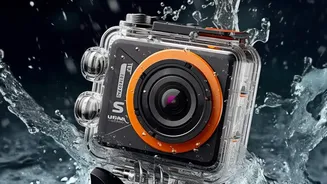
Our gadgets are often our navigators, cameras, and connection to the world, making them crucial to protect. A sudden downpour doesn't have to mean disaster if you take a few simple precautions. The easiest and most affordable trick is to use zip-seal
plastic bags. They create an effective barrier against light rain and splashes, and you can often still use your phone's touchscreen through the plastic. For more robust protection during outdoor activities, consider a dedicated waterproof case or a small dry bag, which provide a more secure seal against heavy rain.
Combat Humidity and Moisture
Rain isn't the only enemy during the monsoon; high humidity can cause unseen damage over time. Always carry a few silica gel packets—the kind you find in new shoe boxes or electronic packaging—in your travel bags. When you're not using your camera, power bank, or other gadgets, store them in a sealed bag with a silica packet. This will absorb excess moisture and help prevent condensation from forming inside the devices. When you're back in your hotel room, give devices space to breathe by placing them in an open, ventilated area rather than a closed drawer or cabinet.
Emergency Plan for Wet Gadgets
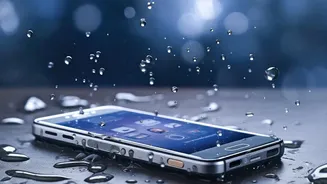
If your phone or another device gets wet, act fast. The first and most critical step is to turn it off immediately to prevent a short circuit. Do not plug it in or try to see if it still works. Gently wipe the exterior with a soft, absorbent cloth. If possible, remove the battery and SIM card. While the old advice was to bury it in rice, experts now warn against this as small grains can get lodged in ports. Instead, place the device in a sealable bag with silica gel packets for 24-48 hours, or let it air dry in a well-ventilated spot with the charging port facing down to allow water to drain.
Choose the Right Footwear
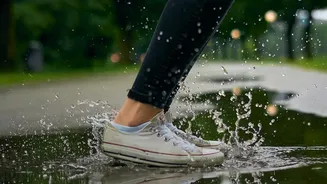
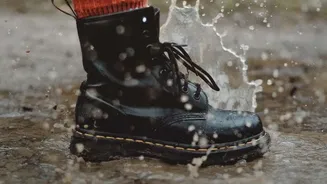
The first line of defense for your feet is choosing the right shoes. Avoid absorbent materials like canvas, suede, or standard leather, which soak up water and take a long time to dry, creating a breeding ground for fungus and bacteria. Instead, opt for footwear made from rubber, PVC, or other waterproof synthetics. Gumboots, waterproof sandals with good grip, and jelly shoes are all excellent choices for navigating wet streets while keeping your feet dry and comfortable. Having a spare pair of shoes is always a wise idea.
The DIY Waterproofing Trick
For canvas or fabric shoes that aren't naturally water-resistant, you can create your own protective layer using wax. Simply rub a plain white candle or a block of beeswax all over the clean, dry surface of the shoe, making sure to cover the seams thoroughly. Once coated, use a hairdryer to gently melt the wax, which will then soak into the fabric and create a water-repellent barrier. For leather shoes, applying a thin layer of petroleum jelly can offer a temporary shield against light rain, causing water to bead up and roll off. Waterproofing sprays are also a quick and effective option for various materials.
Proper Drying and Storage
If your shoes do get soaked, never store them while wet. The most common mistake that ruins footwear is improper drying. Avoid using direct heat like a hairdryer on high or placing them in direct sunlight, as this can cause materials like leather to crack and synthetic adhesives to melt. The best method is to stuff them tightly with old newspaper, which absorbs moisture and helps the shoes retain their shape. Replace the damp newspaper every few hours and let the shoes air dry completely in a cool, well-ventilated area before their next use.