





An Anxious Start to the Season
July is typically the peak of Goa's monsoon, a time of torrential downpours that replenish the land. This year, however, the rhythm is off. After a June that was one of the driest in recent memory, with rainfall deficits soaring as high as 71% at one point,
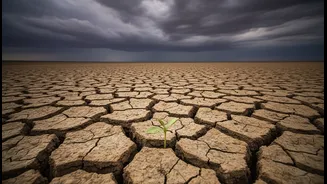
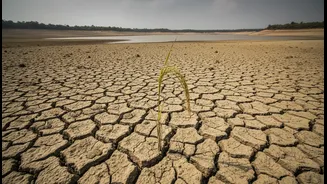
the season has been playing a nervous game of catch-up. A brief spell of heavy rain in late June and early July brought some relief and happiness to farmers, but the monsoon weakened again. As of early July, the seasonal rainfall deficit stood at a worrying 26.7%, a figure that translates to parched fields and anxious glances towards the sky. The India Meteorological Department (IMD) has noted that while rainfall has been widespread, it has been light to moderate, and sunny conditions have caused temperatures to rise nearly three degrees above normal.
Reservoirs Behind Schedule
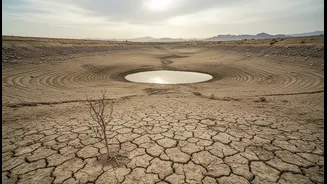
The most visible impact of the weak spell is on Goa's lifelines: its reservoirs. The iconic Selaulim Dam, which supplies drinking water to most of South Goa, traditionally begins to overflow its spectacular duckbill spillway by July 7. This year, as of July 7, it was only 42.5% full, with officials speculating the spillover might not happen until August. Other dams tell a similar story. The Anjunem Dam was only 15% full in early July. While recent rains have improved levels, most major dams are significantly behind their usual schedule. This lag raises serious concerns about water availability for drinking and irrigation in the dry months ahead, stretching into the summer of 2027.
The Toll on Agriculture
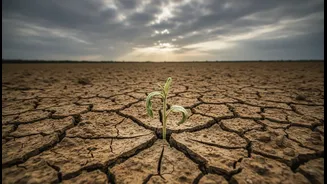
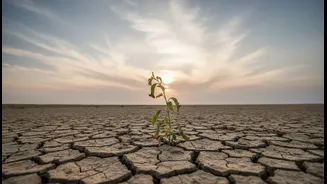
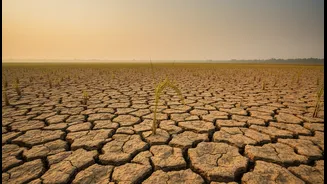
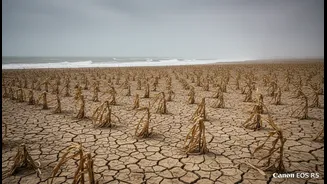
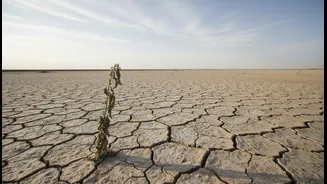
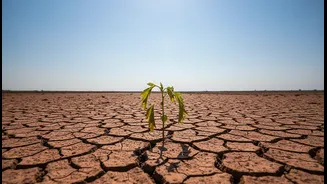
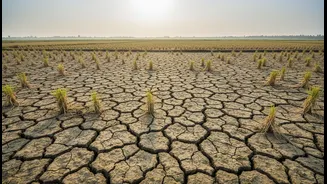
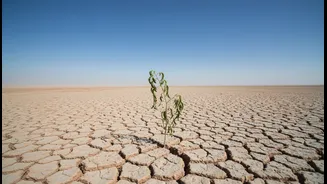
For Goa's farmers, the erratic monsoon is a direct threat to their livelihood. The crucial kharif season depends on the June-July rains for sowing and transplantation of paddy, the state's primary crop. The prolonged dry spell in June left fields hard and parched, making ploughing difficult. Farmers who had already prepared seedlings for transplantation were left stranded, unable to proceed without sufficient water in the fields. The delay and uncertainty force farmers to consider difficult choices, such as switching to short-duration paddy varieties to mitigate potential losses. An uneven monsoon doesn't just reduce crop yields; it drives up costs and uncertainty for a community intrinsically linked to the season's rhythm.
A Fading Green?
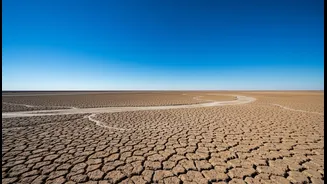
The headline's warning about landscapes is not an exaggeration. Goa's global image is built on its verdant, rain-washed beauty. The monsoon sustains the lush forests, the vibrant paddy fields, and the gushing waterfalls that attract tourists. A weak monsoon threatens this very identity. The Western Ghats, which form the green heart of the state, depend on sustained rainfall for their biodiversity. A deficit can lead to drier forests, reduced flow in rivers, and a less dramatic spectacle at popular waterfalls, which in turn impacts off-season tourism. The concern is that a prolonged weak spell could begin to alter the very look and feel of the Goan landscape, turning its trademark lushness into a more subdued, water-stressed version of its former self.
Watching the Clouds
What happens next? Meteorologists point to a complex mix of factors, including the potential development of El Niño conditions, which are often associated with weaker monsoons in India. The IMD has forecast that after an active spell until July 10, the rainfall might become deficient again for a period. While officials maintain there is no immediate drinking water crisis, they are already planning for more efficient water management to see the state through the coming year. For now, the people of Goa, from farmers to policymakers, are in a state of watchful waiting. The hope is that the monsoon will regain its vigour and intensity through the latter half of the season, replenishing the dams, soaking the fields, and restoring the vibrant green landscape that defines the state.