




Beyond Just Heat
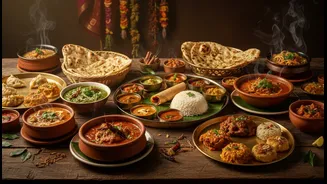
For generations, 'bold' in Indian cooking was often a synonym for spicy. While the glorious chilli is here to stay, the new definition of bold is expanding to embrace a fuller spectrum of taste. We're talking about the rise of 'umami,' the fifth taste that
provides a deep, savoury satisfaction. Though long-present in Indian food through ingredients like tomatoes, fermented batters, and ghee, umami is now being consciously celebrated and amplified by chefs. Techniques like slow-cooking, fermentation, and smoking are being used to create layers of savoury depth that were once accidental but are now intentional. This evolution signifies a move from simple heat to a more intricate and deeply satisfying flavour experience that stimulates the entire palate.
A Regional Renaissance
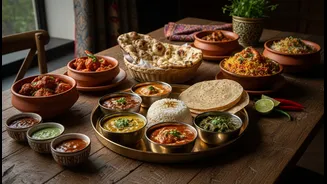
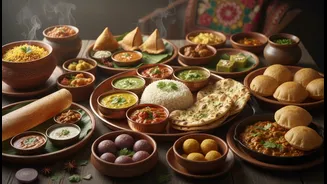
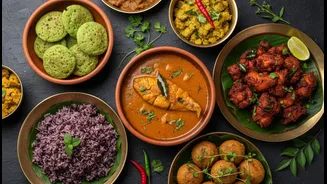
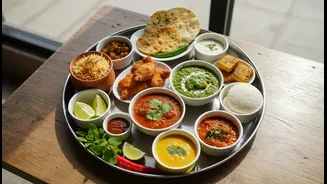
The era of a generic, pan-Indian restaurant menu is fading. Diners are increasingly seeking authenticity, driving a renaissance of hyper-regional cuisines that were once confined to home kitchens. From the smoky, earthy notes of Nagaland's bamboo-shoot dishes to the tangy, coconut-rich curries of Kerala and the unique spice blends of Chettinad, these cuisines are unapologetically intense. This revival is bringing formerly niche flavours to the national stage. Chefs are now proudly showcasing ingredients and dishes from specific regions like Goa, Assam, and the Himalayan belt, introducing a wider audience to a treasure trove of robust and diverse tastes. This shift indicates a growing appetite for dishes that are not just flavourful but also rooted in a specific cultural story.
The Science of Flavour
Modern culinary techniques are providing chefs with new tools to intensify and deconstruct traditional flavours. Fermentation, once primarily used for preservation in pickles or batters for dosa and idli, is now a celebrated method for creating complex sour and umami notes. Chefs are experimenting with everything from fermented chutneys and quinoa dosas to kombucha-infused condiments. Techniques like dehydration and smoking are also being used to concentrate the essence of ingredients, adding a powerful punch to everything from cheeses to sauces. This scientific approach allows for the creation of new textures and flavour combinations, pushing the boundaries of what Indian food can be while honouring its roots.
A Global Palate in the Kitchen
Increased travel and digital connectivity have exposed Indian diners to a world of flavours, making them more adventurous and open-minded. This has created a fertile ground for culinary fusion, where Indian spices and techniques are being blended with global ingredients and formats. We now see everything from masala mac and cheese to tandoori-flavoured pizzas and gulab jamun tiramisu. This isn't about diluting Indian flavours but about finding new and exciting ways to express them. The adoption of global trends like farm-to-table dining and sustainability is also influencing modern Indian cuisine, with a renewed focus on high-quality, local, and seasonal produce that delivers a cleaner, more intense flavour.