



The Digital Gateway: Oman's E-Visa Simplified
The biggest hurdle for any international trip is often the visa application. Thankfully, Oman has simplified this for Indian citizens with its efficient online e-visa system. Most tourists can apply through the official Royal Oman Police portal, which
offers different visa types based on your needs, including 10-day and 30-day options. The process is entirely digital: you create an account, fill in your details, upload documents like your passport and a photograph, and pay the fee online. For many Indian travellers, the good news gets even better. If you hold a valid visa or residence permit from the USA, UK, Canada, Australia, Japan, or any Schengen country, you may be eligible for visa-free entry for up to 14 days, which further simplifies short trips. This ease of access has been a game-changer, removing uncertainty and long waiting periods from travel planning.
Your Rupee Goes Further: Budgeting the Drive
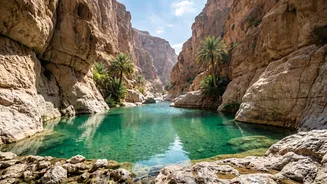
Oman is often perceived as an expensive Gulf destination, but a self-driven tour can be surprisingly affordable. The key lies in the low cost of transport. Fuel prices in Oman are significantly cheaper than in India, with petrol costing around OMR 0.24 per litre (approximately ₹52). Car rentals are also competitively priced. A small economy car can be rented for as little as $15-$20 per day (around ₹1250-₹1650), making it a cost-effective way to explore. Accommodation options range from luxury resorts to budget-friendly guesthouses and hotels that cost about €30 (around ₹2700) per night. Many of the country's main attractions, such as its stunning wadis (riverbeds) and the grand Sultan Qaboos Grand Mosque in Muscat, are free to enter, while historic forts in cities like Nizwa have nominal entrance fees.
Beyond the City: Why Oman Is Built for the Road
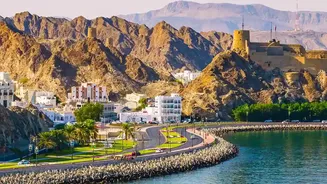
A road trip is undoubtedly the best way to experience Oman's incredible diversity. The country boasts a network of modern, well-maintained highways that connect major cities and attractions, with road signs conveniently in both Arabic and English. This excellent infrastructure allows you to travel from the bustling capital of Muscat to the dramatic Hajar mountains, the golden dunes of the Wahiba Sands, and the serene coastal towns like Sur with ease. Having your own vehicle gives you the freedom to explore at your own pace, stopping at roadside viewpoints, discovering hidden wadis, and venturing into traditional villages that lie off the main tourist trail. Unlike a fixed tour, a self-drive itinerary allows for spontaneity, whether it's an impromptu hike or spending extra time at a beautiful beach.
A Classic Omani Circuit for First-Timers
For a memorable 7-day trip, consider a loop starting and ending in Muscat. Spend the first day or two exploring the capital, visiting the Sultan Qaboos Grand Mosque, the Mutrah Souq, and the old city. From there, drive inland towards Nizwa, the former capital, famous for its formidable fort and lively Friday goat market. Next, head into the mountains to experience Jebel Shams, Oman's highest peak, known as the 'Grand Canyon of Arabia', where you can take in breathtaking views from the Balcony Walk trail. Afterwards, journey east to the Wahiba Sands for an unforgettable night in a desert camp. On your way back to Muscat, follow the coastline from the city of Sur, a historic hub for dhow shipbuilding. This route offers a perfect mix of culture, history, and natural beauty.
Tips for the Indian Driver in Oman
Driving in Oman is a pleasant experience, but there are a few key differences for Indian drivers. The most important is that traffic flows on the right-hand side of the road. While this takes some getting used to, the roads are generally disciplined and well-regulated. To rent and drive a car, Indian tourists will need an International Driving Permit (IDP) along with their original Indian license, so be sure to arrange this before you travel. Oman has a strict zero-tolerance policy for driving under the influence of alcohol, with severe penalties. Speed limits are enforced by cameras, so it's wise to stick to the posted limits, which are typically 120 km/h on highways. With excellent roads and clear signage, navigating is straightforward, especially with GPS.