
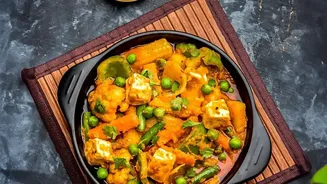
Feeling hungry an hour after lunch? Your meal might be missing a key component: protein. For vegetarians, hitting that protein goal can seem tricky, but Indian cuisine offers a vibrant and delicious array of options to keep you full and energised.
The Power of a Protein-Packed Lunch
Protein
is a vital macronutrient that serves as the building block for muscles, tissues, and enzymes. A protein-rich lunch offers several benefits that are especially noticeable in the middle of a busy day. It promotes satiety, meaning it helps you feel fuller for longer, which can reduce cravings for unhealthy snacks. Protein also aids in stabilising blood sugar levels by slowing down the digestion of carbohydrates, preventing the sharp energy spikes and crashes that can leave you feeling sluggish. Furthermore, consuming adequate protein supports muscle repair and maintenance, boosts metabolism, and contributes to overall strength and recovery. A lunch with a solid protein anchor—around 20-25 grams is a good target—is a strategic way to fuel the second half of your day effectively.
India's Vegetarian Protein Pantry
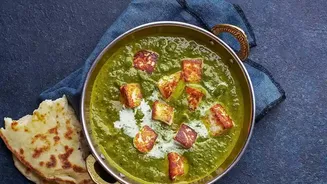
The Indian kitchen is naturally abundant with high-quality, plant-based protein sources. Understanding these staples is the first step to building a better lunch. At the forefront are dals (lentils and pulses). Masoor, moong, and urad dal contain roughly 24-25 grams of protein per 100g (raw), while toor and chana dal are also excellent sources. A single bowl of cooked dal can provide 7-12 grams of protein. Next is paneer, or Indian cottage cheese, a protein powerhouse delivering about 18-20 grams per 100g serving. Legumes like chickpeas (chana) and kidney beans (rajma) are also fantastic, offering fibre and around 8-9 grams of protein per 100g when cooked. Soya, in the form of chunks or tofu, is another versatile option. Soya chunks are incredibly protein-dense, while tofu offers about 8-10 grams per 100g and is a great alternative for those avoiding dairy. Finally, dahi (curd or yogurt), especially thick or Greek-style yogurt, can add a quick 10 grams of protein per 100g serving.
Assembling a Balanced Lunch Thali
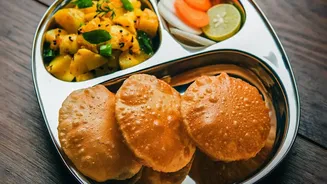
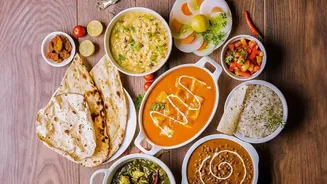
The key to a high-protein lunch isn't just about one ingredient, but how you combine them. The traditional Indian thali format is a perfect template for a balanced meal. Start with a primary protein source. This could be a generous katori of dal, a serving of paneer bhurji, or a chana masala curry. Pair this with a complex carbohydrate like whole wheat rotis, brown rice, or millet-based bread. Combining a legume like dal with a cereal like rice or roti creates a complete protein profile by supplying all essential amino acids. Don't forget the vegetables! A seasonal sabzi (cooked vegetable dish) and a fresh kachumber (salad) add essential fibre, vitamins, and minerals. A side of dahi or raita not only cools the palate but also adds another layer of protein. A well-balanced plate might feature a dal, two rotis, a sabzi, and a bowl of curd, which together can provide upwards of 25 grams of protein.
Quick and Easy Meal Ideas
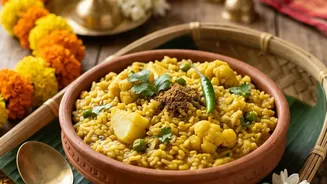
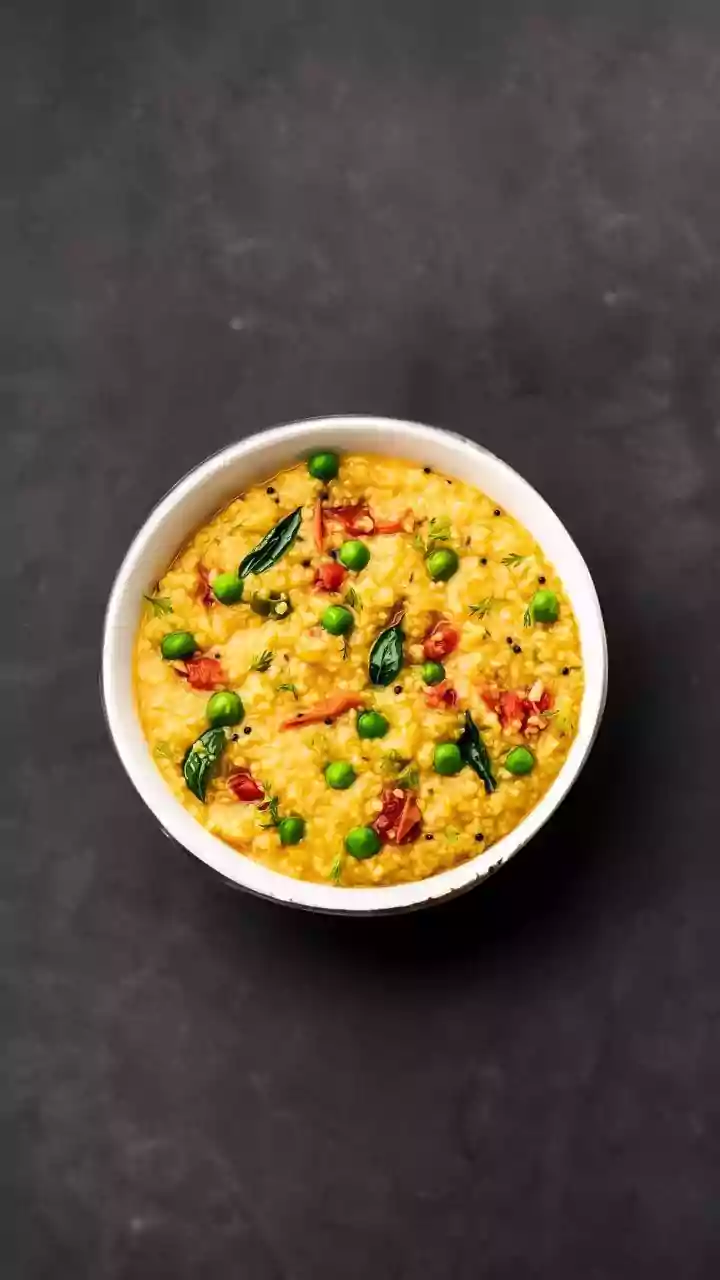
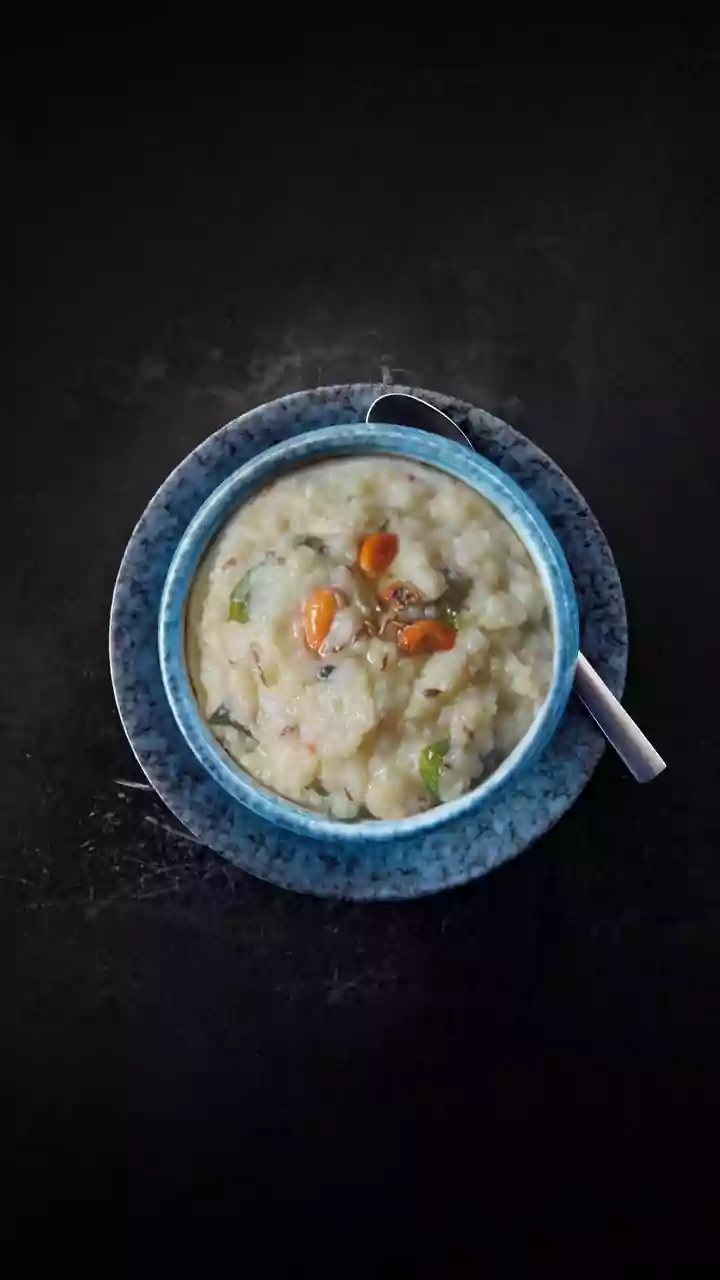
Putting this knowledge into practice doesn't have to be complicated. Simple, packable lunches can be incredibly effective. A soya pulao made with soya chunks and vegetables, served with a side of raita, is a complete one dish meal. A mixed dal khichdi, perhaps served with a besan kadhi, is another comforting and protein rich option. For a quicker assembly, consider a sprout salad tossed with chopped paneer, vegetables, and a lemon dressing. Moong dal chilla (savoury lentil pancakes) stuffed with grated paneer is another fantastic choice that is both light and filling. Even simple additions can make a difference; adding roasted chickpeas, peanuts, or seeds to your salad or sabzi can easily boost its protein content.