


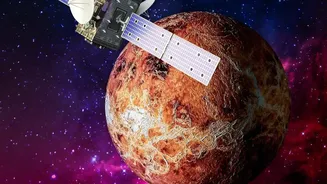
Venus: The Hostile Sibling Planet
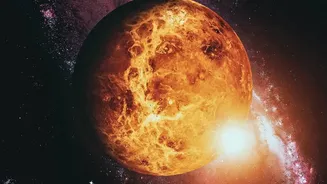
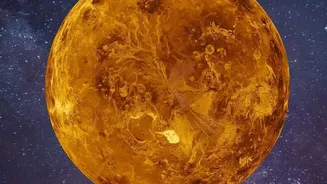
Venus and Earth are similar in size, mass, and composition, which is why they are often called planetary twins. But the similarities end there. Venus is the hottest planet in our solar system, with a surface temperature that can melt lead, an atmosphere
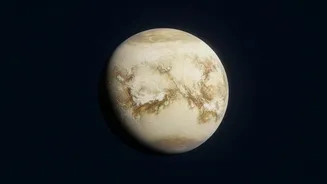
crushed by pressures 90 times greater than Earth's, and clouds made of sulfuric acid. Scientists believe it once may have been more Earth-like, but a runaway greenhouse effect turned it into a hellscape. Understanding how and why Venus evolved so differently is crucial, as it provides a natural laboratory for studying extreme climate change, offering lessons that could be relevant to our own planet's future.
The Volcanic Telltale: Sulfur Dioxide
One of the biggest unanswered questions about Venus is whether it is still geologically active. On Earth, sulfur dioxide (SO2) in the upper atmosphere is a classic telltale sign of volcanic eruptions. This is because the gas is quickly broken down by sunlight, so its presence at high altitudes means it must have been recently replenished from a source below. Previous missions, like the European Space Agency's Venus Express, have observed dramatic fluctuations in SO2 levels, strengthening the theory that volcanoes are actively pumping the gas into the atmosphere. Confirming this would prove Venus is not a dead planet but a dynamic and evolving world.
Enter Shukrayaan-1: India’s Next Interplanetary Leap
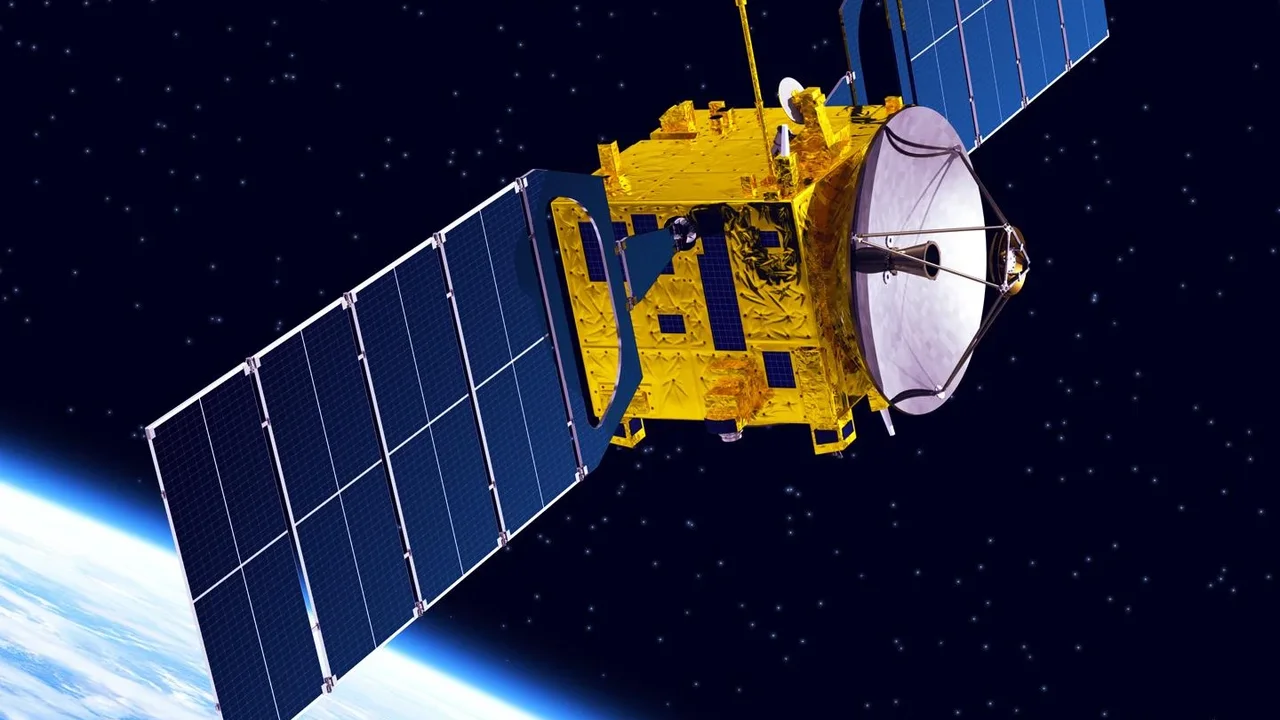
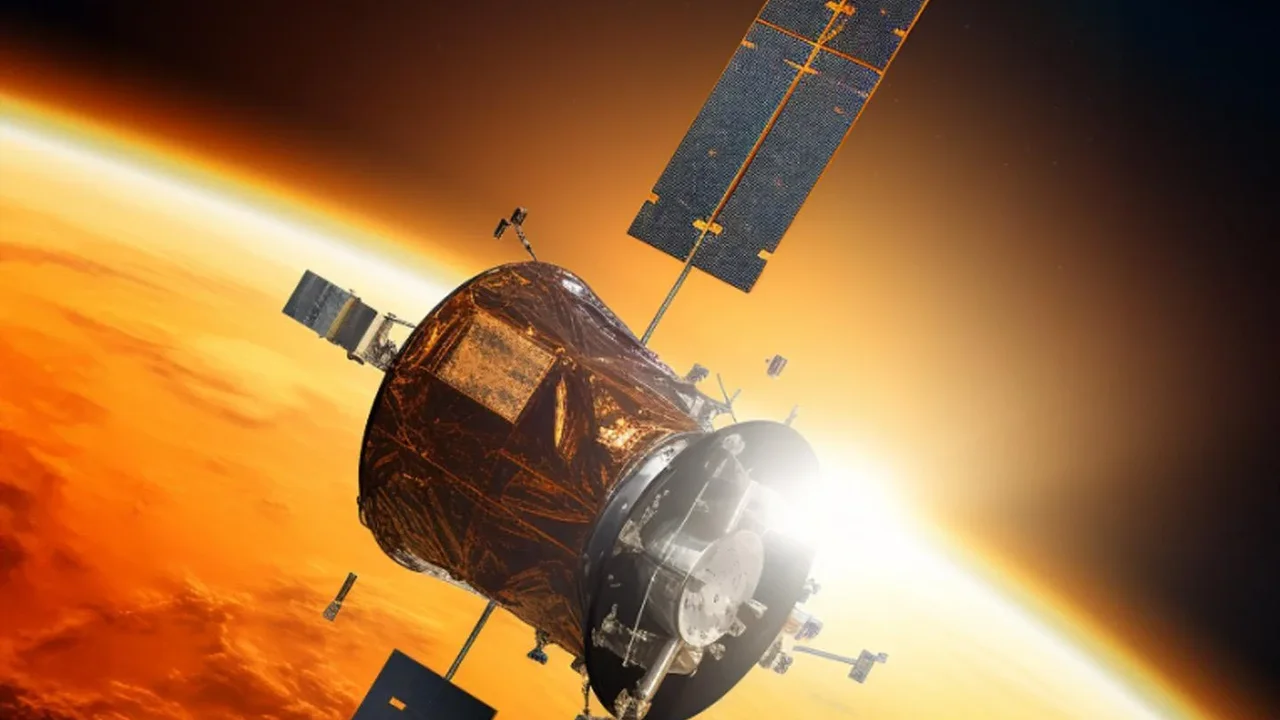
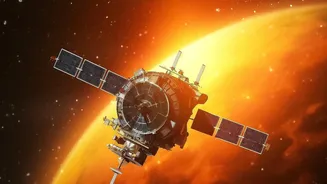
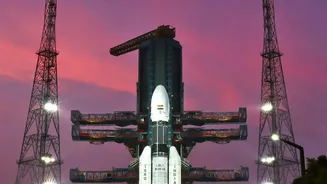
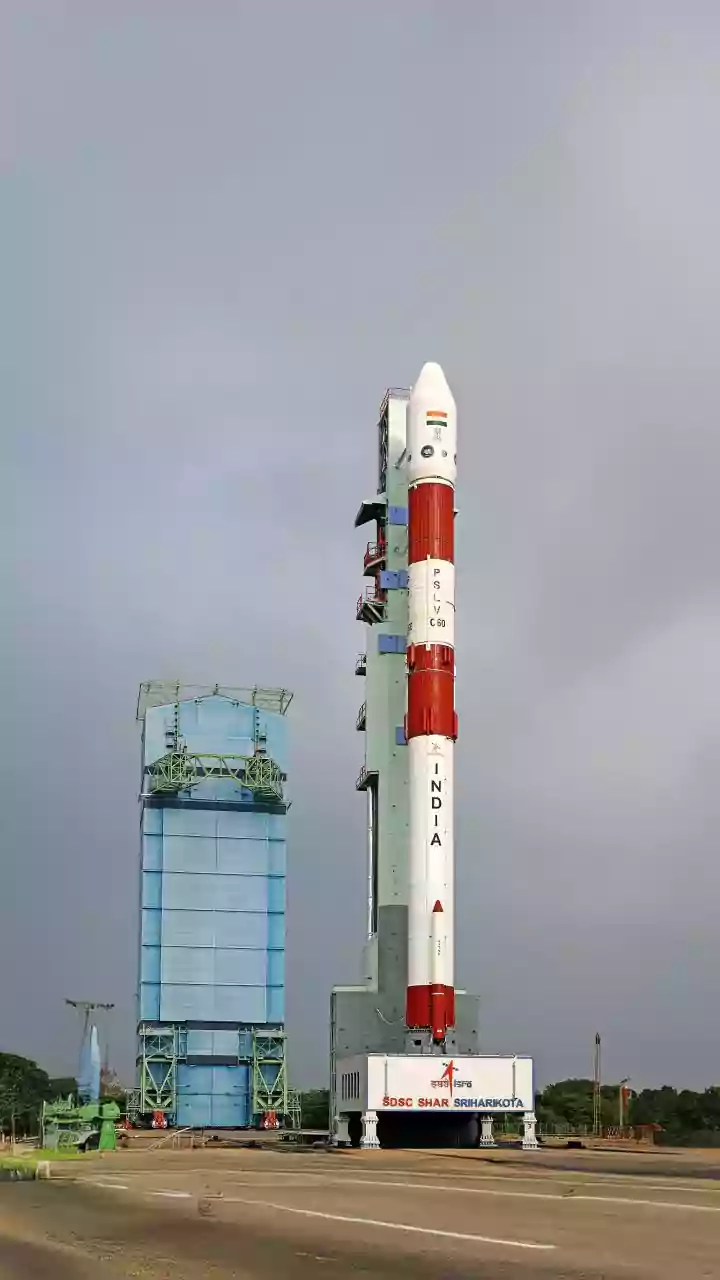
Following the monumental success of its Mars Orbiter Mission (Mangalyaan), the Indian Space Research Organisation (ISRO) is setting its sights on Venus with the Shukrayaan-1 mission. Scheduled for launch in the coming years, this ambitious project will place an orbiter around Venus for a planned four-year mission to conduct a comprehensive study. The mission aims to investigate the planet’s surface, its mysterious super-rotating atmosphere, and its interaction with the Sun. It represents a major step forward for India’s space program, positioning the nation among the elite few that have explored our nearest planetary neighbour.
The Tools for a Fiery Investigation
To hunt for the chemical fingerprints of volcanism, Shukrayaan-1 will be equipped with a suite of sophisticated instruments. A key payload will be the Venus Infrared Atmospheric Gases Linker (VIRAL), an instrument developed in collaboration with international partners, designed to study the chemical composition of the atmosphere. It will perform detailed measurements of gases like sulfur dioxide to identify their concentrations and locations. This will be complemented by other tools, such as the Venus S-Band Synthetic Aperture Radar (VSAR), which will peer through the thick clouds to map the surface in high resolution and search for lava flows and other volcanic features.
Why Finding Active Volcanoes Matters
Confirming active volcanoes on Venus would be a monumental discovery. It would mean that the planet’s interior is still hot and active, driving geological processes that shape its surface and atmosphere. This helps scientists piece together the evolutionary history of terrestrial planets. Active volcanism would provide a clear source for the high levels of sulfur dioxide and explain other atmospheric mysteries. Furthermore, by studying why Earth remains habitable while its twin became so hostile, scientists can refine models of planetary evolution and what makes a world capable of supporting life. Every piece of data from Shukrayaan-1 will be a crucial part of this puzzle.