








Warm, Cooked Gourds
During the monsoon, or any damp, rainy season, Ayurvedic tradition suggests that our digestive fire (or 'agni') can be weaker. Heavy, raw foods can be harder to process. Enter the humble gourd family—think zucchini, bottle gourd (calabash), and winter
squash. When cooked until tender in soups, stews, or simple sautés, these vegetables are exceptionally easy on the digestive system. They provide hydration and essential nutrients without overwhelming your gut. Their light nature helps counteract the sluggish feeling that can accompany humid weather, making them a cornerstone of any seasonal eating plan.
The Power of Ginger & Turmeric
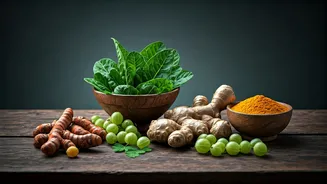
If there were two all-stars for the rainy season, they would be ginger and turmeric. These warming spices are legendary in traditional medicine for their ability to stoke digestive fires and combat inflammation. Ginger is a carminative, meaning it helps prevent gas and bloating, which can become more common when digestion is slow. A cup of fresh ginger tea can be a daily ritual. Turmeric, with its active compound curcumin, is prized for its immune-supporting and anti-inflammatory properties. Adding a pinch to your lentils, soups, or even a glass of warm milk can help your body stay resilient when seasonal sniffles are going around.
Easily Digestible Grains
This is the time to favor grains that are light and easy for the body to break down. While heavy breads and complex grains have their place, the monsoon season is ideal for incorporating things like aged basmati rice, quinoa, and barley. According to Ayurvedic principles, these grains are less likely to create dampness and heaviness in the body. Barley, in particular, is excellent for its diuretic properties, which can help combat water retention. A simple bowl of 'kitchari'—a comforting mix of rice and mung lentils cooked with spices—is the ultimate monsoon comfort food, designed to nourish and cleanse simultaneously.
Mung Lentils (Moong Dal)
Speaking of kitchari, moong dal (split and skinned mung beans) deserves its own spotlight. Among all the legumes, it is considered the easiest to digest and the least likely to cause bloating. This makes it a perfect source of plant-based protein during a season when the digestive system may be more sensitive. It’s also incredibly versatile. You can make it into a simple soupy dal, a thicker stew, or even savory pancakes (chilla). Its gentle nature ensures you’re getting the protein you need without taxing your system, helping you feel light and energized even on the grayest of days.
A Touch of Garlic & Black Pepper
Garlic is a potent, natural antibacterial and antiviral agent, making it a valuable ally for your immune system during a time when infections are more prevalent. Cooking with garlic not only adds incredible flavor but also fortifies your meals with its protective qualities. Similarly, black pepper does more than just season your food. It contains piperine, a compound that not only stimulates digestion but also famously enhances the bioavailability of turmeric's curcumin by up to 2,000%. A few grinds of fresh black pepper on your soup or curry is a simple but powerful way to boost both flavor and function.
Warm Herbal Teas
Staying hydrated is always important, but during the monsoon, swapping ice-cold water for warm beverages is traditionally recommended. Cold drinks can dampen the digestive fire, while warm liquids can support it. Herbal teas made with ingredients like tulsi (holy basil), mint, fennel, or CCF (cumin, coriander, and fennel) are excellent choices. Tulsi is an adaptogen that helps the body handle stress and supports respiratory health. Mint and fennel are wonderful for soothing an upset stomach. Sipping these teas throughout the day provides gentle hydration and therapeutic benefits that align perfectly with the needs of the season.