

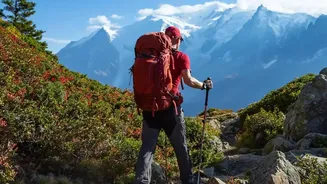

The Four-Season Day
It’s a common saying among locals: you can experience all four seasons in a single day. This isn't an exaggeration. A warm, sunny start can give way to a sudden, chilling downpour, followed by wind and even snow—sometimes even in July or August. This volatility
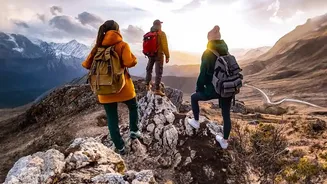
is due to the mountains themselves, which create their own weather systems. As you gain elevation, the temperature drops significantly. The general rule is a decrease of about 1°C for every 200 metres you climb. A pleasant 20°C at the trailhead in Banff, which sits at an elevation of 1,383 metres, can feel close to freezing on a summit, especially when factoring in wind chill. This rapid change is the primary reason why simply checking the weather in town is not enough; you must plan for the worst conditions you might encounter on your specific route.
The Afternoon Thunderstorm Risk
One of the most significant and predictable weather threats during the summer hiking season is the afternoon thunderstorm. These are not gentle showers but can be fast-moving, violent systems that bring torrential rain, hail, and dangerous lightning. They form as the morning sun heats the mountain slopes, causing warm, moist air to rise and build into thunderheads, which typically unleash their energy in the early to mid-afternoon. Being caught on an exposed ridge or a summit during a lightning storm is an extremely hazardous situation. For this reason, many experienced hikers and mountaineers employ an 'alpine start', beginning their hikes well before dawn to ensure they are back below the treeline before these storms have a chance to develop, usually around 1 p.m.
Unexpected Snow and Ice
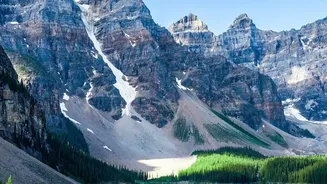
Even in peak summer, high-elevation trails in the Rockies can hold snow and ice. Many popular routes remain snow-covered well into June or even July, and freeze-thaw cycles can create treacherous, icy conditions, especially in the mornings. Parks Canada has had to perform rescues for hikers who found themselves on unexpectedly slippery terrain without proper footwear like spikes or crampons. A sudden summer snow squall can also hit, drastically reducing visibility and turning a simple walk into a disorienting survival situation. This year-round possibility of winter conditions means hikers must always be prepared for cold weather, regardless of the seasonal forecast. Relying on trail apps for conditions can be misleading, as conditions can change rapidly. Official sources like the Parks Canada website provide more reliable and up-to-date trail reports.
How to Plan and Prepare
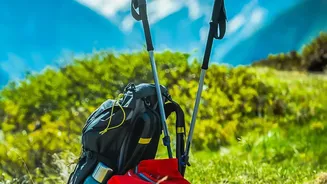
Effective weather planning is about mitigating risk so you can enjoy your hike safely. The first step is to check multiple, reliable forecasts before you go, including mountain-specific sources and Parks Canada bulletins for any warnings or closures. The most crucial preparation is dressing in layers. Avoid cotton, which holds moisture and can make you colder when wet. Instead, opt for a moisture-wicking base layer, a warm mid-layer like fleece, and a waterproof and windproof outer shell. Always pack essentials, even on a short hike, including extra layers, a hat, gloves, a headlamp, sufficient food and water, a first-aid kit, and a navigation tool. Finally, leave a detailed trip plan with someone, outlining where you are going and when you expect to return.