



Beyond Butter Chicken and Biryani
For years, the global and even domestic perception of Indian cuisine was shaped by a familiar, though limited, repertoire. Dishes like butter chicken, paneer tikka masala, and biryani became synonymous with 'Indian food', representing a largely North
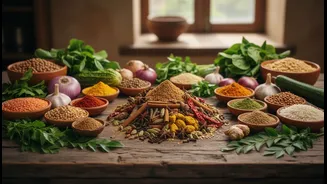
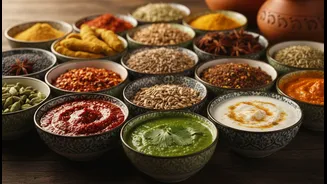
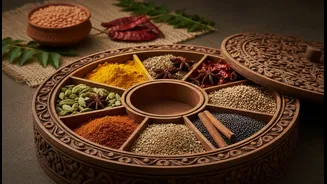
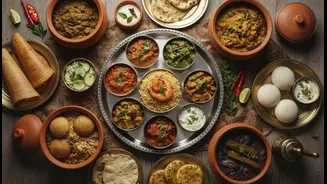
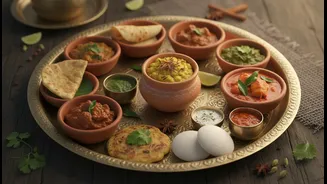
Indian and Mughlai-influenced menu that was delicious but far from complete. This standardisation, while popular, overshadowed the subcontinent's staggering culinary diversity. India's food culture changes every 100 kilometres, shaped by unique climates, local ingredients, and community traditions. Thankfully, a change is simmering. Diners are growing more curious, and a new generation of chefs is answering the call, eager to present a more authentic and nuanced picture of India on a plate. This movement is about looking past the mainstream to celebrate the specific, the local, and the forgotten.
The Chef as Culinary Storyteller
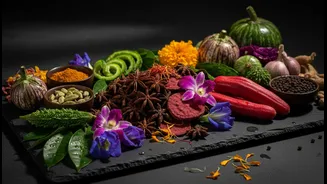
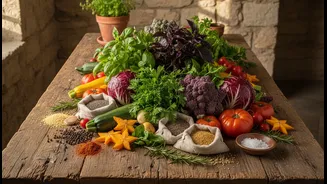
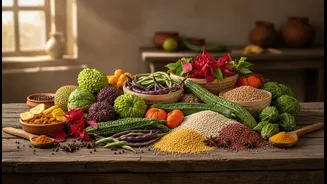
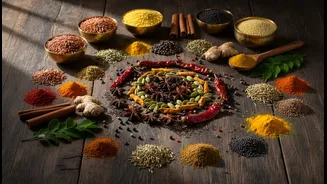
This rediscovery is being led by passionate chefs who are acting as researchers and storytellers. They are travelling to different states, spending time in family kitchens, exploring local markets, and documenting traditions to understand the soul of a region's food. Chef Gaurav Gupta of JHOL Kuala Lumpur, for instance, has been studying coastal food cultures across Goa, Coorg, and Kerala, not to replicate recipes, but to interpret them with respect. This trend is marked by a focus on hyperlocal ingredients, from foraged greens and heirloom grains to unique regional spices. Restaurants like Masque in Mumbai and The Bombay Canteen have championed this philosophy, building relationships with farmers and sourcing produce locally to craft menus that are true to their terroir. This approach brings forgotten flavours back to the forefront and supports sustainable agricultural practices.
A Delicious Tour of India's Regions
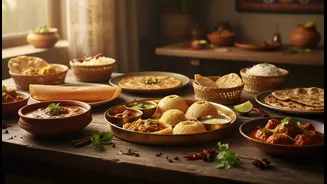
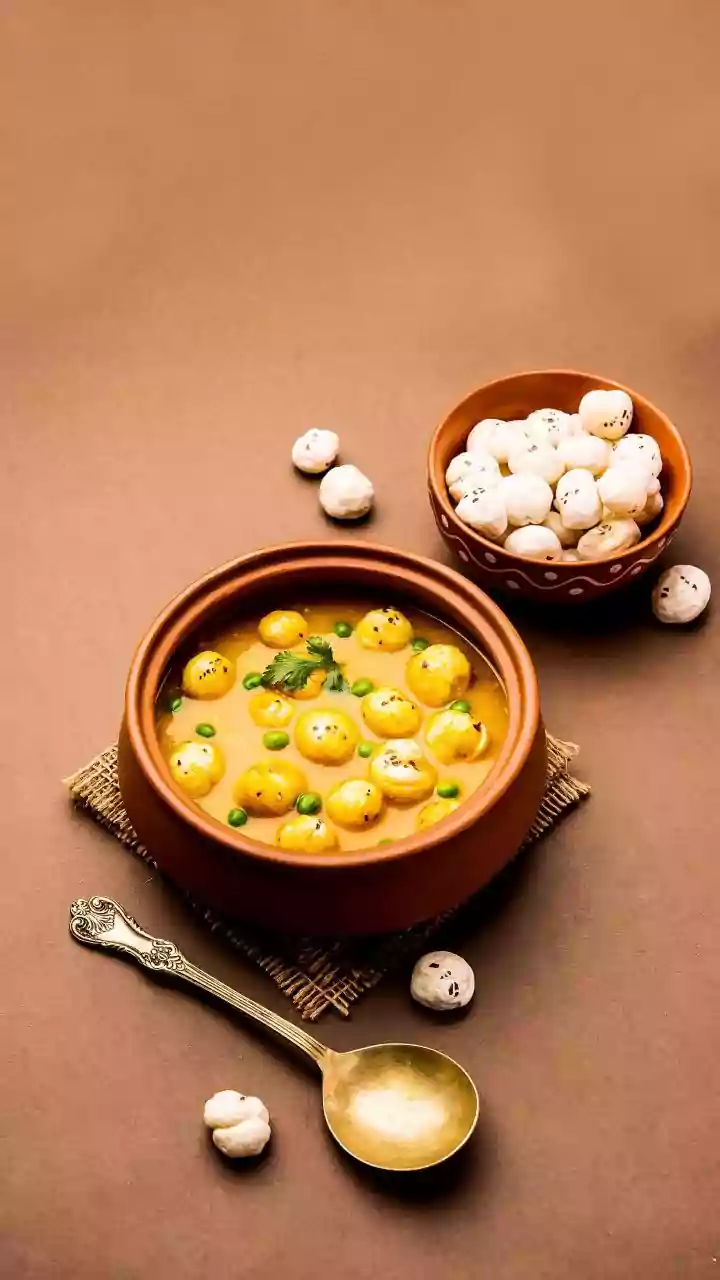
The results of this culinary exploration are appearing on menus across the country and the world. Lesser-known regional cuisines are finally getting their moment in the spotlight. In New Delhi, Dzukou Tribal Kitchen introduces diners to the smoked meats, fermented soybeans (axone), and bamboo shoot preparations of Northeast India. In Chennai, Chef Regi Mathew's Kappa Chakka Kandhari offers a distinctive taste of Keralan cuisine, moving beyond generic coastal curries. Pop-ups and food festivals are also playing a crucial role, showcasing microcuisines from communities like the Garhwali, Kathiawadi, and Kashmiri Pandits. This allows diners to experience dishes that have rarely, if ever, been served outside of home kitchens, from the celebratory Meitei fish curry of Manipur to the hay-smoked mackerel of Goa. It’s a delicious education in the true breadth of India’s culinary landscape.
More Than a Meal, It's a Movement
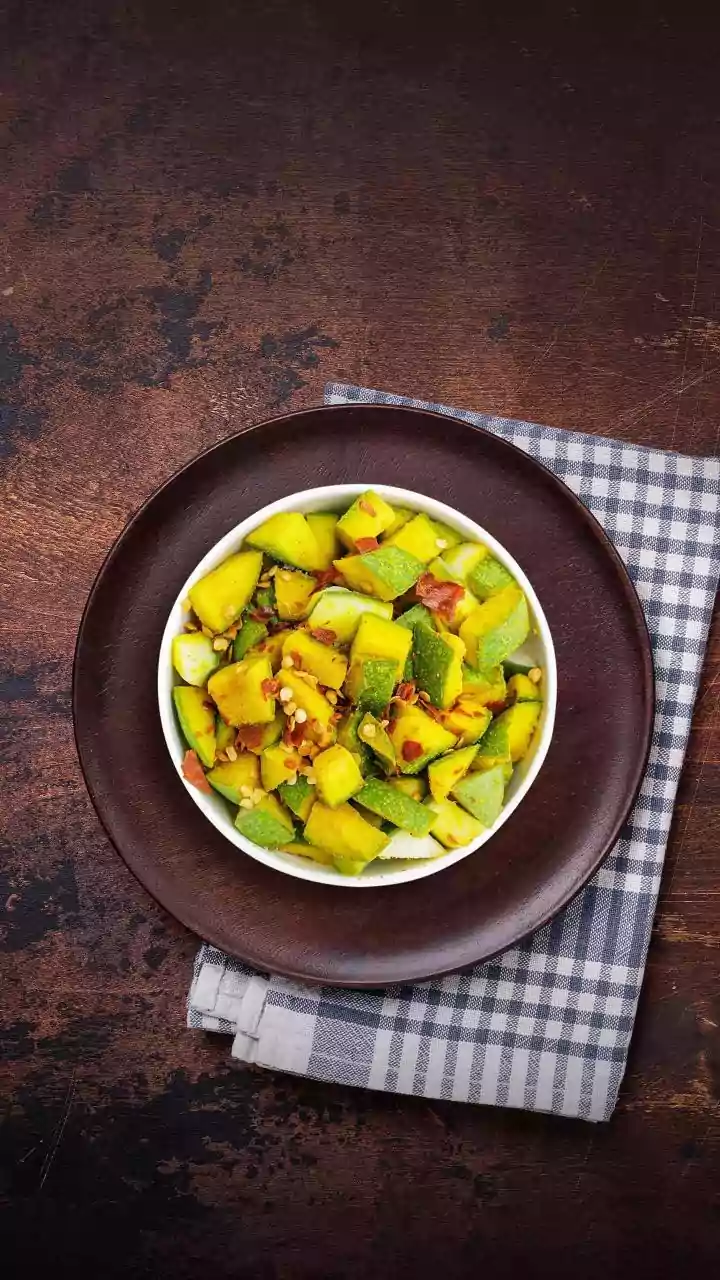
This shift is more than just a food trend; it's a cultural revival. By reviving lost recipes and celebrating regionality, chefs are preserving an essential part of India's heritage. Each dish comes with a story, connecting diners to the history, geography, and traditions of a specific community. As Chef Sanjeev Kapoor noted, these heritage tastes are living memories, and reviving them is a way of reconnecting with our roots and identity. This movement challenges the monolithic idea of Indian food, replacing it with a vibrant mosaic of flavours. It acknowledges that the simple, seasonal dishes from a grandmother's kitchen in rural Bengal are just as significant as the elaborate preparations of a royal Awadhi court. For diners, it offers an opportunity to travel the country with their taste buds, discovering that the real magic of Indian food lies in its incredible diversity.