


Why Go Wild?
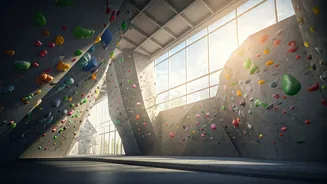
Indoor climbing gyms are fantastic for training, building strength, and fostering community. But the soul of climbing has always been rooted in nature. The shift outdoors is more than just a change of scenery; it's a complete sensory upgrade. Instead
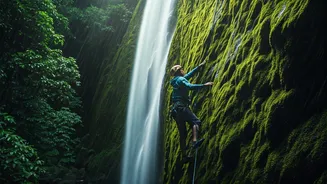
of predictable plastic holds, you learn to read the rock, finding natural cracks and ledges. You solve problems created by geology, not a route-setter. The experience is challenging, unpredictable, and deeply rewarding. It’s about feeling the texture of ancient stone, breathing fresh air, and earning that spectacular view from the top. For many, it’s a return to the sport’s fundamental appeal: a physical dialogue with the wild.
1. The Bouldering Paradise: Hampi, Karnataka
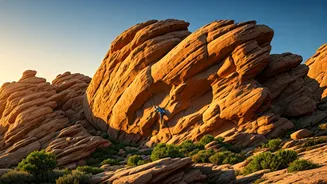
Imagine a landscape scattered with thousands of giant, rust-coloured granite boulders, stretching as far as the eye can see. This is Hampi. A UNESCO World Heritage site, it’s also globally renowned as a bouldering mecca. Bouldering involves climbing shorter routes without ropes, protected by crash pads on the ground. Hampi’s terrain is perfect for it, offering an infinite number of ‘problems’ for every skill level, from absolute beginners to world-class athletes. The vibe is laid-back and communal. Climbers from across the globe gather near the Tungabhadra River, spending their days on the rocks and their evenings sharing stories.
**Best for:** All levels of boulderers, community seekers.
**When to go:** October to February, when the weather is cool and dry.
2. The Sandstone Mecca: Badami, Karnataka
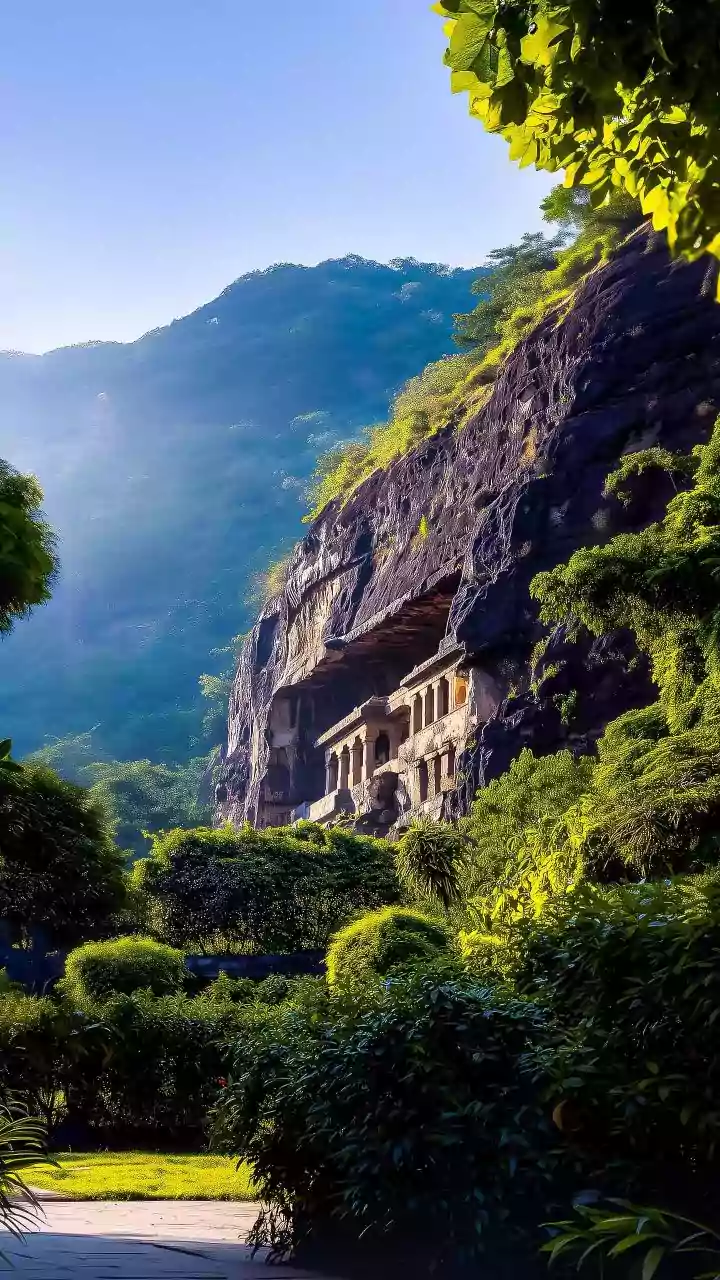
Just a few hours from Hampi lies Badami, a destination that offers a completely different climbing experience. Known for its stunning red sandstone cliffs and ancient cave temples, Badami is the heartland of sport climbing in India. Here, you’ll find bolted routes that soar up vertical and overhanging faces, testing your endurance and technique. The routes are well-established and range from easy climbs perfect for learning the ropes to formidable challenges that will push seasoned climbers to their limits. Climbing amidst magnificent 6th-century rock-cut architecture is an experience that is uniquely Indian and utterly unforgettable.
**Best for:** Sport climbers, history buffs.
**When to go:** September to January, avoiding the monsoon and the intense summer heat.
3. The Himalayan High: Sethan, Himachal Pradesh
If you prefer your climbing with a side of crisp mountain air, head to Sethan. Nestled high above Manali, this tiny Buddhist village has emerged as India’s premier alpine bouldering destination. The landscape is a pristine dream of granite boulders set against a backdrop of snow-capped Himalayan peaks. The altitude makes every move more demanding, and the setting offers a profound sense of solitude and adventure. Sethan is less about the social scene and more about a pure, immersive climbing experience in a breathtaking environment. It’s the perfect escape for climbers looking to test their mettle in a truly wild setting.
**Best for:** Intermediate to advanced boulderers, nature lovers.
**When to go:** May to October, when the area is snow-free.
Making the Transition
Moving from gym to rock requires a few adjustments. First, safety is paramount. If you're new to outdoor climbing, go with an experienced guide or a seasoned friend. You'll need specific gear, such as a proper climbing rope, quickdraws for sport climbing, or crash pads for bouldering. Second, learn the ethics. Outdoor crags are precious natural resources. Follow Leave No Trace principles: pack out everything you pack in, avoid damaging vegetation, clean your chalk marks where appropriate, and be respectful of local communities and regulations. This ensures these beautiful places remain open and pristine for everyone.