





Why Monsoon Is Prime Time for Tummy Troubles
As the first rains cool the parched land, a less welcome change happens in our environment. The surge in humidity and moisture creates the perfect breeding ground for bacteria, viruses, and other pathogens. Water sources can become contaminated due to
overflowing drains and waterlogging, introducing harmful microbes like E. coli, Salmonella, and norovirus into our food chain. These microorganisms thrive in damp, warm conditions and can multiply rapidly on food surfaces, especially on raw or uncooked items. This is why cases of gastroenteritis, diarrhoea, and other foodborne illnesses see a sharp spike across India during the monsoon months. Your favourite street-side vendor might be taking all precautions, but the ambient environment itself poses a heightened risk.
The Science of Safety: Heat Is Your Best Friend
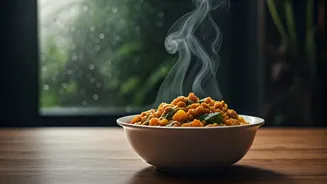
The headline claim isn't just an old wives' tale; it's backed by basic microbiology. Most harmful bacteria and viruses that cause food poisoning cannot survive high temperatures. When food is cooked or reheated to a temperature above 75°C (165°F), the heat effectively 'denatures' the proteins and enzymes within these microbes, destroying their cellular structure and rendering them harmless. Eating food while it is still steaming hot ensures it has recently been at a temperature high enough to neutralise any surface contaminants that might have settled on it after cooking. Conversely, food that has been sitting at room temperature for a few hours enters the 'danger zone' (between 5°C and 60°C), where bacteria can multiply at an alarming rate. This makes cold salads, pre-cut fruits, and room-temperature chutneys particularly risky during this season.
Your Hot-Food Strategy for the Season
Adopting a 'hot food' policy is simple and highly effective. Prioritise freshly prepared meals. Whether at home or eating out, opt for dishes that come straight from the pan, tandoor, or steamer to your plate. If you are eating leftovers, ensure you reheat them thoroughly until they are piping hot all the way through, not just lukewarm. Be especially cautious with street food. While a plate of hot chole bhature or freshly fried samosas is generally safer, steer clear of accompaniments like raw onion salads or mint chutney that have been sitting out. Ask for your pani puri water to be made with bottled water if possible, or skip it altogether in favour of something cooked, like a hot aloo tikki.
Beyond Heat: Other Monsoon Food Rules
While eating hot food is a powerful tool, it should be part of a broader food safety strategy. Cleanliness is paramount. Wash your hands thoroughly with soap and water before preparing food and before eating. Be meticulous about washing fruits and vegetables. It's best to use a vegetable wash or soak them in a solution of potable water with a little vinegar or salt for a few minutes before rinsing them again. Avoid leafy green vegetables like spinach and cabbage if you can, as their many layers can trap dirt and microbes that are hard to wash away. If you do eat them, ensure they are blanched in hot water and cooked thoroughly. Finally, stick to boiled or filtered water for drinking and cooking to avoid waterborne contaminants.