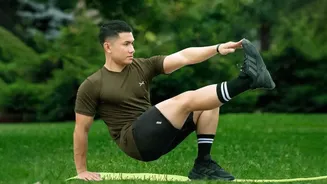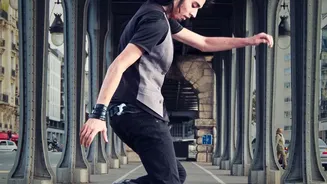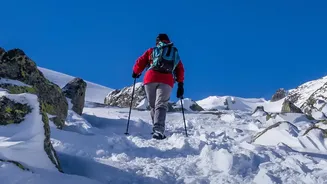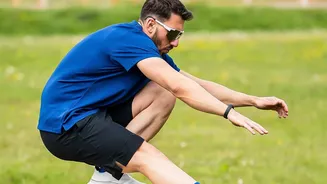


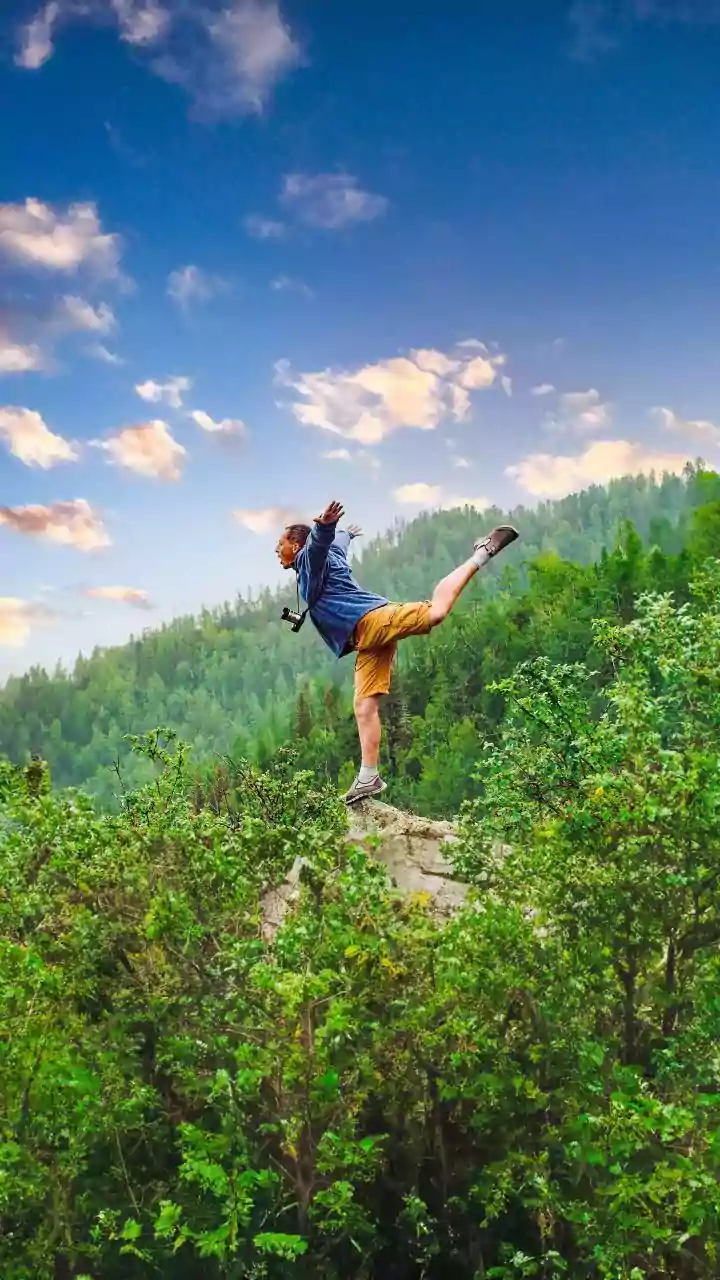




Choosing between the rugged trail and the rolling pavement? Both hiking and skateboarding offer fantastic physical challenges, but they demand very different things from your body, especially concerning leg stability and how you shift your weight.
Hiking: Stability on Unpredictable Ground
Hiking
is a test of endurance and stability over uneven and often unpredictable terrain. Every step on a trail—over roots, rocks, or up a steep incline—forces your body to make constant, subtle adjustments. This process heavily engages your proprioception, which is your body’s ability to sense its position in space. The muscles in your feet, ankles, and legs are in a continuous state of reaction, working to maintain balance with each footfall. Studies show that walking on uneven ground significantly increases muscle activity in the lower leg and thigh compared to walking on a flat surface. Your body recruits a wide range of muscles, from the large glutes and quads that power you uphill to the smaller stabilizer muscles around the knee and ankle that prevent twists and falls. This makes hiking an excellent activity for building functional, real-world strength and improving your balance in a controlled, step-by-step manner.
Skateboarding: Dynamic Balance on a Moving Platform
Skateboarding, in contrast, presents a challenge of dynamic balance. Instead of reacting to stationary ground, you're controlling your position on a moving object. Stability on a skateboard comes from your core and the tiny, fast-twitch muscles in your ankles and feet. The act of pushing involves balancing most of your body weight on your front leg while the back leg propels you forward, a test of single-leg stability. Once you're rolling, balance is maintained through constant micro-adjustments, shifting your weight from heel to toe to steer (carve) and from front to back to navigate obstacles or perform tricks. This type of balance is less about steady endurance and more about quick reflexes, coordination, and a strong core to keep your center of gravity managed over the board. Professional skateboarders exhibit superior balance and joint control, developed over years of this highly specific training.
The Nature of Weight Shifts
In hiking, weight shifts are fundamental but relatively predictable. You shift your full body weight from one leg to the other with every step. When climbing, your weight is driven forward and upward; on descents, you brace and control your momentum, which places significant stress on the quads and knee joints. These are powerful, deliberate movements that build lower-body strength over time. In skateboarding, weight shifts are quicker and more nuanced. A slight lean onto your toes or heels initiates a turn. Shifting weight to the tail of the board allows you to lift the nose over a crack, while more complex tricks require explosive and precisely timed shifts of body mass. This constant, fluid transfer of weight is key to controlling the board and requires a deep connection between your brain and muscles.
Muscle Engagement and Fitness Goals
Your fitness goals can help guide your choice. Hiking is a premier cardiovascular activity that builds muscular endurance, particularly in the glutes, hamstrings, quads, and calves. It's a full-body workout that improves load tolerance and is foundational for overall fitness. Skateboarding also provides a cardiovascular workout and engages the full body, but with a greater emphasis on core strength, agility, and the development of powerful, reactive muscles in the ankles and lower legs. The muscles around the ankle, like the tibialis anterior and fibularis longus, are constantly working to stabilize the joint, which is crucial for preventing the common ankle sprains associated with the sport.
Injury Risks and Making Your Choice
Both activities come with risks. Hiking injuries often relate to overuse or falls on tricky terrain, leading to knee, hip, or ankle strain. Skateboarding injuries are typically acute, resulting from falls onto hard surfaces. Wrist, forearm, and head injuries are common, as people instinctively use their hands to break a fall. In fact, skateboarding-related injuries are often more severe than those from other skating activities. If your goal is to build steady, foundational leg strength and improve your balance in a more predictable environment, hiking is an excellent choice. If you are drawn to a more dynamic, fastpaced challenge that hones reflexes, agility, and fine tuned balance control than skateboarding might be for you. For skateboarding than investing in protective gear including a helmet and wrist guards is non negotiable.