








The Lifeline of the Economy
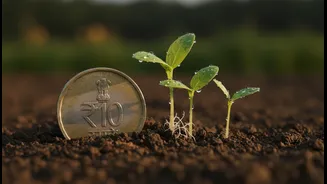
The southwest monsoon, which delivers about 70% of India's annual rainfall, is the lifeblood of the country's $300 billion agricultural economy. [8, 9] This sector provides a livelihood for nearly half of the population. [9] A bountiful monsoon is crucial
for the sowing of Kharif (summer) crops like rice, soybeans, and cotton. [9] When the rains are timely and well-distributed, it leads to bumper harvests, which in turn boosts the rural economy. This direct link between rainfall and agricultural output is the primary reason why market analysts, investors, and policymakers track every movement of the monsoon clouds with bated breath. A healthy farm sector sets off a positive chain reaction across the entire economy.
The Ripple Effect on Rural Demand
A good monsoon translates into higher income for farmers and rural households. This increased purchasing power fuels what is known as rural demand. [4] Companies in sectors like Fast-Moving Consumer Goods (FMCG), two-wheelers, and tractors see a significant uptick in sales. [19] Conversely, a weak monsoon can suppress rural incomes, leading to a sharp drop in demand for these goods. [9] Observers note that the first signs of a delayed or poor monsoon often appear not in official data, but in postponed tractor bookings, smaller fertiliser purchases, and shopkeepers holding back inventory. [3, 8] This makes the monsoon a powerful predictor of corporate earnings for a wide range of companies that depend on rural consumption.
Connecting Rain to Inflation and Interest Rates
The monsoon's influence extends deep into macroeconomic policy, particularly concerning inflation. A strong harvest keeps food prices in check, which is a major component of India's Consumer Price Index (CPI). [21] Research suggests that a 10% deficit in rainfall can push headline inflation up by as much as one percentage point. [3, 8] A weak monsoon can lead to food inflation, putting pressure on household budgets and the broader economy. [14] This directly impacts the Reserve Bank of India (RBI), which closely monitors inflation to set interest rates. A well-behaved monsoon can tame inflation, giving the central bank more flexibility to consider rate cuts, which can stimulate the entire economy. A poor monsoon, however, could force the RBI to maintain or even raise rates to control prices. [8]
The 2026 Forecast: A Cause for Concern
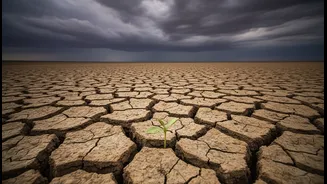
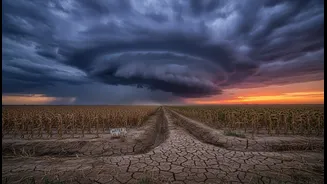
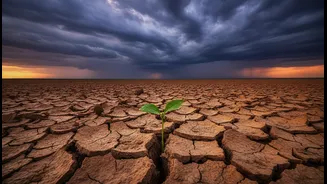
The outlook for the 2026 monsoon has the markets on edge. The India Meteorological Department (IMD) has forecast seasonal rainfall at 90% of the Long Period Average (LPA), revising it down from an earlier 92% estimate. [2, 12] This has been driven by the emergence of El Niño conditions in the Pacific Ocean, a phenomenon historically associated with weaker monsoon rains in India. [2, 12] There is a high probability—around 84%—of rainfall being below normal or deficient. [2, 11] June 2026 has already recorded a significant rainfall deficit of 43% as of June 28, making it one of the driest Junes on record and impacting the initial phase of Kharif sowing. [15, 16] While the monsoon has advanced, its progress has been sluggish, and there are concerns about its performance in the crucial months of July and August. [5, 7, 9]
Sectors in the Spotlight
Given the forecast, investors are closely watching sectors that are most sensitive to monsoon performance. A weak monsoon could negatively impact companies dealing in fertilisers, tractors, seeds, and agrochemicals due to reduced farm activity. [19, 20] FMCG and two-wheeler companies that rely on rural demand also face headwinds. [19] On the other hand, sectors less dependent on the domestic rural economy, such as IT, pharmaceuticals, and some export-oriented segments, are likely to be less affected. [19] Some analysts even note that defensive sectors like pharma can become outperformers during periods of weak monsoons as investors seek safe havens. [19] Banks, especially those with significant exposure to crop loans, are also being monitored for potential stress on their loan books if the agricultural sector falters. [21]