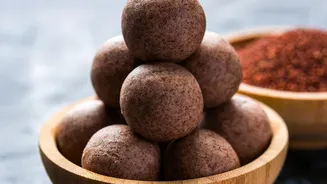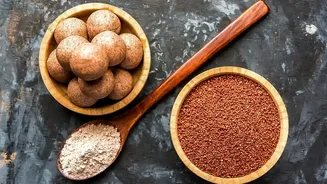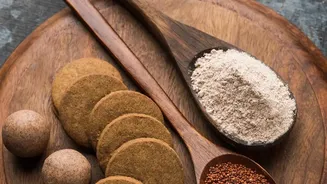




Not long ago, ragi, jowar, and bajra were grains many associated with grandparents or village kitchens. Today, they are making a powerful comeback on urban plates, celebrated for reasons that go far beyond nostalgia.
A Nutritional Powerhouse Returns
For decades, Indian diets largely revolved
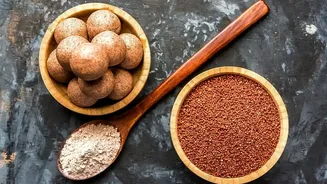
around wheat and rice, a shift accelerated by the Green Revolution. While these grains were crucial for food security, this focus unintentionally pushed traditional millets to the background. Now, a growing awareness of nutrition is bringing them back. Ragi (finger millet), jowar (sorghum), and bajra (pearl millet) are packed with nutrients that address modern health concerns. They are naturally gluten-free, making them suitable for people with sensitivities. Moreover, they generally offer more dietary fibre than polished rice, which aids digestion and promotes gut health. Each millet has a unique profile: ragi is famously rich in calcium, bajra is a good source of iron and magnesium, and jowar provides substantial protein and antioxidants.
An Ally for Modern Health Goals
The resurgence of millets is closely linked to their benefits in managing lifestyle diseases. A key advantage is their lower glycemic index (GI) compared to refined rice and wheat. Foods with a low GI release sugar into the bloodstream more slowly, which helps prevent the sharp spikes that are a concern for individuals with diabetes. The high fibre content also plays a role, creating a feeling of fullness that can help with weight management by reducing overeating. Regular consumption of millets is also linked to improved heart health, as their nutrients can help manage cholesterol levels and blood pressure.
The Climate-Smart Choice
Beyond personal health, millets are incredibly beneficial for the environment, earning them the name 'climate-smart crops'. These hardy grains are often rain-fed and can thrive in dry, less fertile soil where crops like rice and wheat might struggle. They require significantly less water—some estimates suggest up to 70% less than rice—which is a critical advantage in a country facing water stress. Their resilience to high temperatures and pests also means they require fewer chemical fertilisers and pesticides, reducing the environmental footprint of farming and making them a sustainable choice for farmers.
Easy to Welcome Into Your Kitchen
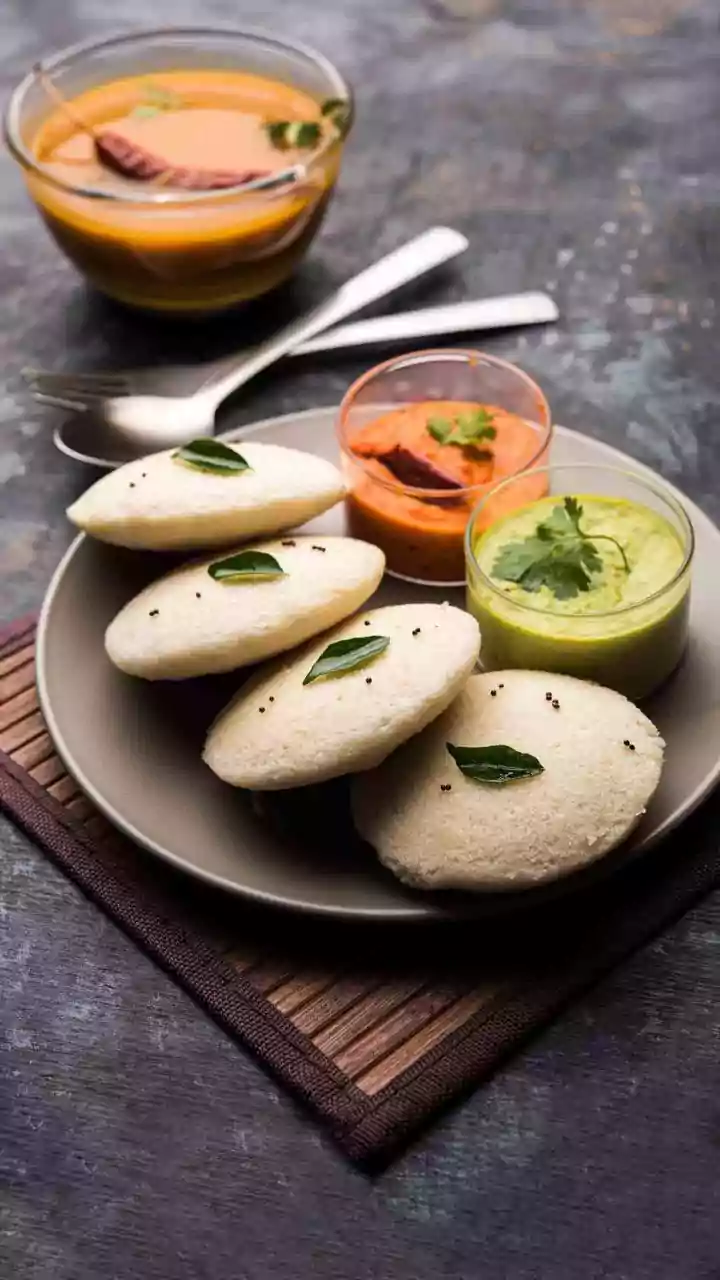
Adopting millets doesn't require a complete overhaul of your eating habits. One of the simplest ways to start is by blending millet flour with your regular wheat atta for rotis. A mix of 80% wheat and 20% jowar or bajra flour is a gentle introduction that hardly changes the taste or texture. For breakfast, ragi is excellent for making porridge (kanji) or can be added to dosa and idli batter. Whole millets like foxtail millet can be used as a substitute for rice in dishes like pulao, upma, or khichdi, offering a different texture and nutty flavour. Even snacks are getting a millet makeover, with options like jowar puffs and ragi chips becoming popular healthy alternatives.