






The Great Decentralisation
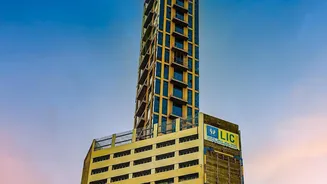
India's business landscape is undergoing a significant transformation. Traditionally concentrated in Tier-1 hubs like Mumbai, Delhi, and Bengaluru, economic power is now decentralising. Cities such as Jaipur, Indore, Coimbatore, Lucknow, and Bhubaneswar
are no longer peripheral players but are emerging as strategic destinations for corporate expansion and investment. This shift is driven by a convergence of factors, including the saturation of major metros, rising operational costs, and a proactive push towards balanced regional development. As a result, businesses are discovering immense potential in these once-overlooked markets, which now offer a compelling mix of talent, affordability, and new consumer bases.
The Compelling Cost Advantage
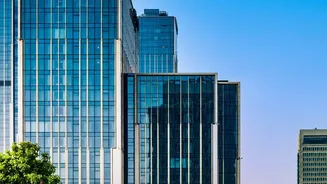
One of the most significant attractions of Tier-2 cities is the cost efficiency they offer. Operating costs, from real estate to salaries, are substantially lower than in their Tier-1 counterparts. Commercial rentals can be 20-35% cheaper, allowing companies to secure premium office spaces without the hefty price tag. This cost arbitrage enables businesses to allocate more resources towards innovation, technology, and talent development. Furthermore, the lower cost of living translates into a better quality of life for employees, with shorter commutes and less financial pressure, which in turn leads to higher employee loyalty and lower attrition rates.
An Expanding Talent Pool
The notion that top-tier talent resides only in metros is rapidly becoming outdated. Tier-2 cities are now home to a vast and skilled workforce. Many of these cities have strong educational ecosystems, producing a steady stream of graduates in IT, engineering, and management. The trend of reverse migration, accelerated by the adoption of remote and hybrid work models, has also seen experienced professionals return to their hometowns. This has created a ready-made, industry-ready talent pool. For companies, this means access to skilled employees without the intense competition and high salary expectations prevalent in major urban centres.
Infrastructure and Connectivity Boom
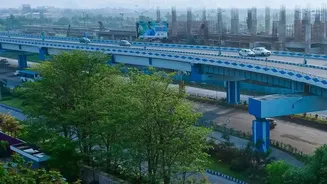
A massive government-led push in infrastructure development has been a game-changer for Tier-2 cities. The construction of new highways, airports, and dedicated freight corridors has dramatically improved connectivity, streamlining logistics and supply chains. Initiatives like the Smart Cities Mission are upgrading urban infrastructure, ensuring reliable power, and improving public transportation. Simultaneously, a digital revolution, marked by affordable high-speed internet and widespread 5G rollout, has erased geographical barriers. This robust physical and digital infrastructure makes it easier for businesses, including IT firms, startups, and Global Capability Centres (GCCs), to operate efficiently from these locations.
The Rise of New Consumer Markets
Beyond being production hubs, Tier-2 cities are also becoming significant consumer markets. Rising disposable incomes and increased digital literacy have given birth to a new class of aspirational consumers. People in these cities are eager to access the same quality products, services, and lifestyle experiences previously associated with metros. This surge in demand is evident in the e-commerce sector, where a majority of new orders now originate from non-metro regions. For businesses, this represents a vast, untapped market of digitally savvy and brand-conscious consumers, opening up new avenues for growth and revenue.