




Data Science and AI: The New Mission Control
Every satellite and space probe generates enormous amounts of data. The real value lies in interpreting it. Satellite data analysts and machine learning engineers are in high demand to process imagery and signals for agriculture, climate monitoring, and defence.
Companies like Pixxel, which focuses on hyperspectral imaging, and SatSure, which provides decision-making tools from satellite data, are built around this capability. For students, this means skills in Python, data analysis, and machine learning are just as critical as orbital mechanics. A background in computer science or data science is a direct pathway into the fastest-growing segment of the space industry.
Robotics and Automation: Building the Future
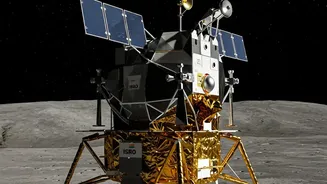
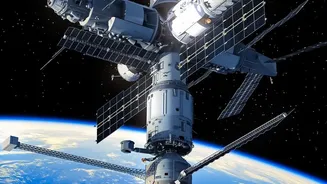
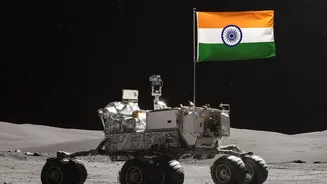
From planetary rovers exploring the Moon to robotic arms that service satellites, automation is fundamental to modern space exploration. Robotics engineers who can blend mechanical engineering, control systems, and AI are sought after for designing these complex systems. Ambitious projects like the Gaganyaan crewed mission and future space stations will rely heavily on automation for everything from life support to mission operations. This field requires a strong foundation in mechatronics, and students who can build and program autonomous systems will find themselves at the forefront of India’s next giant leaps in space.
Electronics and Communications: Wiring the Cosmos
No space mission can succeed without robust communication and electronic systems. Avionics engineers design the electronic systems for navigation, radar, and communication in aircraft and spacecraft. As India builds its own navigation constellations like NavIC and private companies launch satellite internet services, the need for experts in radio frequency (RF) systems, signal processing, and embedded systems is skyrocketing. For engineering students, specialising in Electronics and Communication Engineering (ECE) offers a solid and versatile entry point into both government agencies like ISRO and private players such as Dhruva Space.
Space Law and Policy: The Rules of the Final Frontier
As the space sector opens up to private companies, it creates a new set of legal and ethical questions. Who is liable if a private satellite collides with another? How are contracts for launch services regulated? This is where space lawyers and policy analysts come in. With IN-SPACe now acting as the regulatory body for private space activities in India, there is a growing need for professionals who can navigate international treaties, draft launch policies, and advise startups like Skyroot and Agnikul Cosmos. A law degree combined with an interest in technology and international relations can lead to a unique and influential career shaping the governance of space.
Beyond Engineering: A Galaxy of Roles
The expanding space ecosystem requires more than just technical experts. The industry also needs business analysts, project managers, visual designers, and communicators. Private companies need bid managers to secure contracts, HR professionals to manage talent, and marketing teams to tell their stories. Even fields like space medicine are gaining importance with the Gaganyaan mission on the horizon. The message is clear: whether your passion is finance, design, or healthcare, there is an increasing likelihood that a relevant role for you exists within India's burgeoning space economy.