

The Initial Spark of Wonder
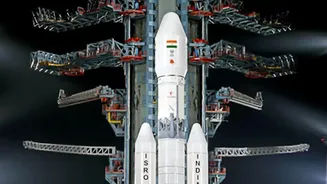
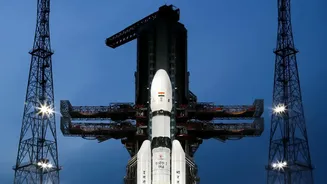
The journey often begins with a simple act of looking up. For many, the initial fascination with space is sparked by watching ISRO's successful launches, following missions like Chandrayaan, or even through science fiction. This exposure ignites a powerful
sense of curiosity about the universe. It transforms abstract scientific principles into tangible, exciting adventures unfolding in real-time. Events like these provide powerful role models and showcase the real-world application of science and technology, making a career in space seem attainable. This initial inspiration is critical; studies show that a significant number of people who join the space sector are driven by a lifelong passion for it, often developed at a young age through media and educational settings.
From Passive Interest to Active Learning
Curiosity needs nurturing to grow into a genuine career interest. This is where active engagement becomes crucial. For students in India, this often means participating in school science fairs, joining astronomy clubs, or diving into online resources. Recognising this, ISRO has several outreach programmes designed to 'catch them young'. Initiatives like the YUva VIgyani KAryakram (YUVIKA) or "Young Scientist Programme" offer school children a two-week residential course to impart basic knowledge on space technology and applications, with a preference for students from rural areas. These programmes, along with exhibitions, workshops, and interactions with scientists, are designed to encourage more students to pursue careers in Science, Technology, Engineering, and Mathematics (STEM).
Forging an Educational Path
Once the interest is solidified, the next step is a structured educational path. In India, this journey typically starts after Class 10 by choosing the science stream with Physics, Chemistry, and Mathematics (PCM). Aspiring space professionals then pursue a bachelor's degree in fields like aerospace, mechanical, or electronics engineering, or a B.Sc in physics or astronomy. The Indian Institute of Space Science and Technology (IIST) in Thiruvananthapuram is a premier institution that offers undergraduate and postgraduate programmes specifically tailored for the space industry, with its top graduates often being directly absorbed into ISRO. For those aiming for research roles, a master's degree or a PhD is highly recommended, opening doors to positions as space scientists who work on fundamental questions about the universe.
India's Expanding Space Economy
A career in space is no longer limited to working for the government. Since the sector was opened to private participation in 2020, India has seen a boom in space-tech startups. As of 2026, there are over 400 such companies working on everything from building rockets and satellites to analysing space data. This has created a vibrant job market with competitive salaries. Companies like Skyroot Aerospace, Agnikul Cosmos, and Pixxel are aggressively hiring engineers and data scientists. India's space economy, currently valued at around USD 8.4 billion, is projected to grow to nearly USD 44 billion by 2033, promising to create hundreds of thousands of new jobs. This rapid expansion means opportunities are diversifying, moving beyond launch vehicles to downstream applications like geospatial intelligence, satellite communications, and climate monitoring.
More Than Just Rocket Science
It's a common misconception that space careers are only for engineers and physicists. In reality, the expanding space ecosystem requires a wide array of talents. As private companies grow, so does the need for professionals in business development, finance, marketing, and human resources. Furthermore, the rise of commercial space activities has created a demand for space lawyers to navigate international treaties and regulations. There are also roles for doctors to study the effects of space on the human body, communicators to tell the story of space exploration, and designers to build the habitats of the future. The modern space industry is a multidisciplinary field where skills from various backgrounds are not just welcome, but essential for growth.