


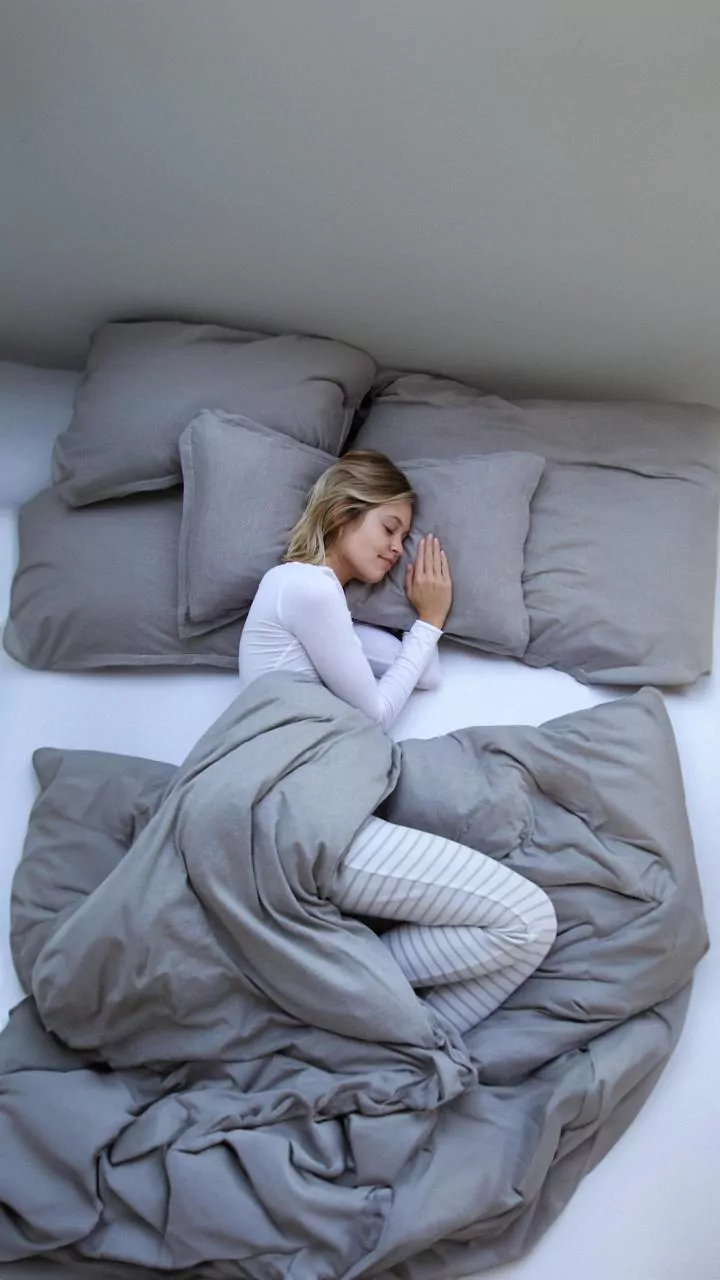





Myth: You Can Erase Sleep Debt on Weekends
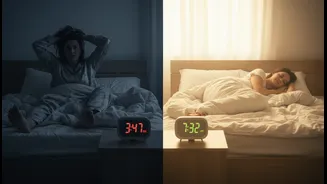
It’s a comforting thought: after a gruelling week of five-hour nights, a couple of long lie-ins will reset the clock. While extra weekend sleep can certainly make you feel less tired and improve your mood in the short term, it’s not a magic eraser. Studies
show that many of the underlying issues caused by a week of sleep restriction don't just disappear. For instance, cognitive functions like attention and reaction time may not fully recover. One study found that even when participants felt better after weekend recovery sleep, their performance on tasks requiring sustained focus remained impaired. Moreover, metabolic health can take a hit; research has shown that things like insulin sensitivity don't bounce back to normal, and people may consume more calories, particularly in the evenings, even after catching up on sleep. So, while that Saturday morning sleep-in feels good, it's more of a temporary patch than a complete system restore.
Reality: The Risks Are More Than Just Fatigue
The conversation around sleep loss often focuses on feeling groggy or needing an extra cup of coffee. But the consequences of chronic sleep restriction run much deeper. When you consistently get less than the recommended seven to nine hours, you accumulate deficits that impact your entire system. Cognitively, it’s not just about yawning through meetings; it’s about impaired judgment, reduced problem-solving skills, and difficulty retaining new information. Emotionally, sleep deprivation can make you more irritable, prone to mood swings, and less able to manage stress. Physically, the long-term risks are even more serious. Chronic sleep loss is linked to a higher risk of developing significant health problems, including hypertension, type 2 diabetes, obesity, and cardiovascular disease. It weakens your immune system, making you more susceptible to infections. The risk isn't just about one bad night; it's the cumulative toll of many.
The Danger of a Single Headline
This brings us to the headline of this very article. Health news is often presented in bold, simple statements: “This food causes cancer,” or “This habit cures anxiety.” The reality of scientific research is almost always more nuanced. A single study is a snapshot, not the final word. News reports often oversimplify findings, leaving out crucial context. Was the study conducted on a small group of people or a large, diverse population? Was it an observational study that found a correlation, or a controlled trial that could point towards causation? For example, a study might find that people who sleep less on weekdays have a higher risk of a certain condition. But it might not account for other factors, like higher stress levels, poorer diet, or less time for exercise, which are also common in people who work long hours. Overgeneralising from a preliminary or limited study can create unnecessary anxiety and lead to misguided health decisions. It’s essential to approach health news with a healthy dose of skepticism and look for the bigger picture.
A Better Approach: Consistency Over Compensation
So, if weekend catch-ups are not a cure-all, what's the solution? The evidence points overwhelmingly towards consistency. Maintaining a regular sleep schedule—going to bed and waking up around the same time every day, even on weekends—is one of the most effective ways to support your body’s internal clock, or circadian rhythm. When your sleep schedule swings wildly between weekdays and weekends, it can create a form of “social jetlag,” leaving you feeling perpetually out of sync. Instead of aiming for heroic recovery sessions, focus on making small, sustainable improvements to your weekday routine. Can you go to bed 15 to 30 minutes earlier? Can you create a relaxing wind-down routine away from screens? Improving your sleep hygiene—like ensuring your bedroom is dark, quiet, and cool—can improve the quality of the sleep you do get. The goal isn't to achieve perfect sleep every single night, but to avoid building up a large, unpayable debt in the first place.