






The Fading Ink of Travel
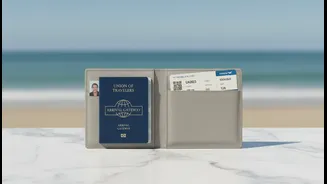
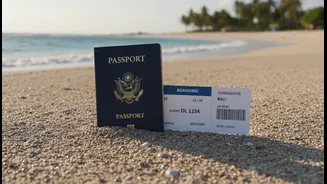
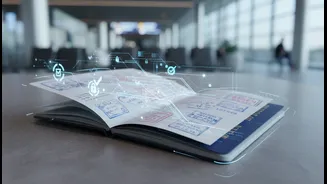
There’s a unique romance to a passport stamp. It’s a tangible memory of an adventure, a tiny, dated emblem of a border crossed and a new place explored. For many, flipping through the pages is like reliving a lifetime of journeys. But this cherished ritual
is quickly becoming a thing of the past. A growing list of countries is phasing out the manual stamping of passports in favour of faster, more secure digital systems. Nations like Australia, Singapore, and Hong Kong have already made the switch, often providing a small paper landing slip or an email receipt instead. The most significant change, however, is across Europe. The 29 countries in the Schengen Area became fully operational with their new digital Entry/Exit System (EES) in April 2026, officially ending the practice of stamping passports for non-EU visitors. The United States and the United Kingdom are also heavily reliant on digital entry logs and biometric e-gates. The reason for this global shift is simple: efficiency and security. Manual stamping is slow, prone to human error, and less effective at tracking who enters and leaves a country.
Meet the New Digital Gatekeepers
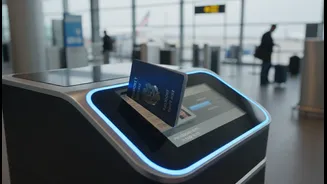
Instead of an immigration officer with an inkpad, your entry is now recorded by a sophisticated network of technology. The most visible part of this change is the rise of automated e-gates at airports. These self-service kiosks use biometric data to verify your identity. The new EU Entry/Exit System, for instance, requires non-EU nationals on their first visit to register their facial image and fingerprints. This information is then stored in a centralized database. On subsequent visits, a quick scan of your face is all that’s needed to match you to your digital profile, making the process theoretically much faster. This technology, known as biometric facial comparison, is also used extensively at US airports for both entry and exit. Instead of a stamp, your entry and exit dates are logged with pinpoint accuracy in a secure digital file linked to your passport details. This creates a comprehensive, unalterable digital footprint of your international movements.
Why Your Digital Record Is So Important
While a faded stamp could be hard to read, a digital entry is precise and permanent. This is why these new records matter more than ever. The primary function of systems like the EES is to automatically calculate how long you have stayed in a region. This makes it incredibly easy for authorities to detect overstayers. For travellers visiting the Schengen Area, which has a strict rule allowing a 90-day stay within any 180-day period, the EES will track this automatically, eliminating any ambiguity. Your digital travel history becomes a crucial part of your immigration profile. This data can be accessed for future visa applications, residency permits, or citizenship queries. An undeclared overstay, even by a day, could be automatically flagged and lead to fines or future entry bans. The data is stored for three years after your last trip, and even longer for those who overstay their permitted time.
Navigating a Post-Stamp World
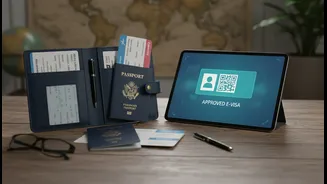
For Indian travellers, adapting to this new reality is essential. The convenience of faster queues at e-gates is a clear benefit, but it comes with the responsibility of being more aware of your own travel history. Since you no longer have a simple stamp to refer to, keeping your own records has become vital. It's wise to save digital boarding passes, booking confirmations, and any electronic entry receipts you receive via email, as Singapore now provides. For travel to the US, non-immigrant visitors can look up their arrival/departure history on the official Customs and Border Protection I-94 website. For Europe, the EES is expected to provide an online tool for travellers to check how much of their 90-day allowance remains. If you're applying for a visa that requires a detailed travel history, you can no longer just photocopy your passport pages. You’ll need to meticulously reconstruct your travel dates from your own records, such as saved flight itineraries, hotel receipts, or even by using the location data stored in your phone's photo library.