


The Sun's 11-Year Rhythm
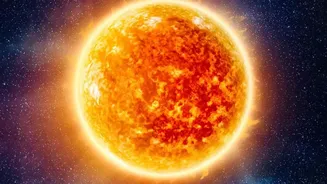
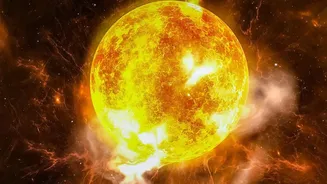
Our Sun is not a static ball of fire; it has a heartbeat. Roughly every 11 years, it goes through a cycle of high and low activity. This is known as the solar cycle. We are currently in Solar Cycle 25, which began in December 2019 and is now in its most
active phase, called the solar maximum. This peak period, which began in 2024 and extends through 2026, is proving to be much stronger than scientists initially predicted. During this time, the Sun’s magnetic fields become unstable, leading to a dramatic increase in solar phenomena that can be felt all the way here on Earth.
More Activity Means Bigger Storms
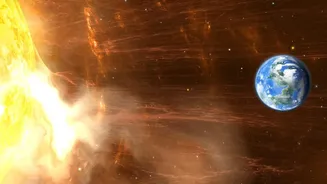
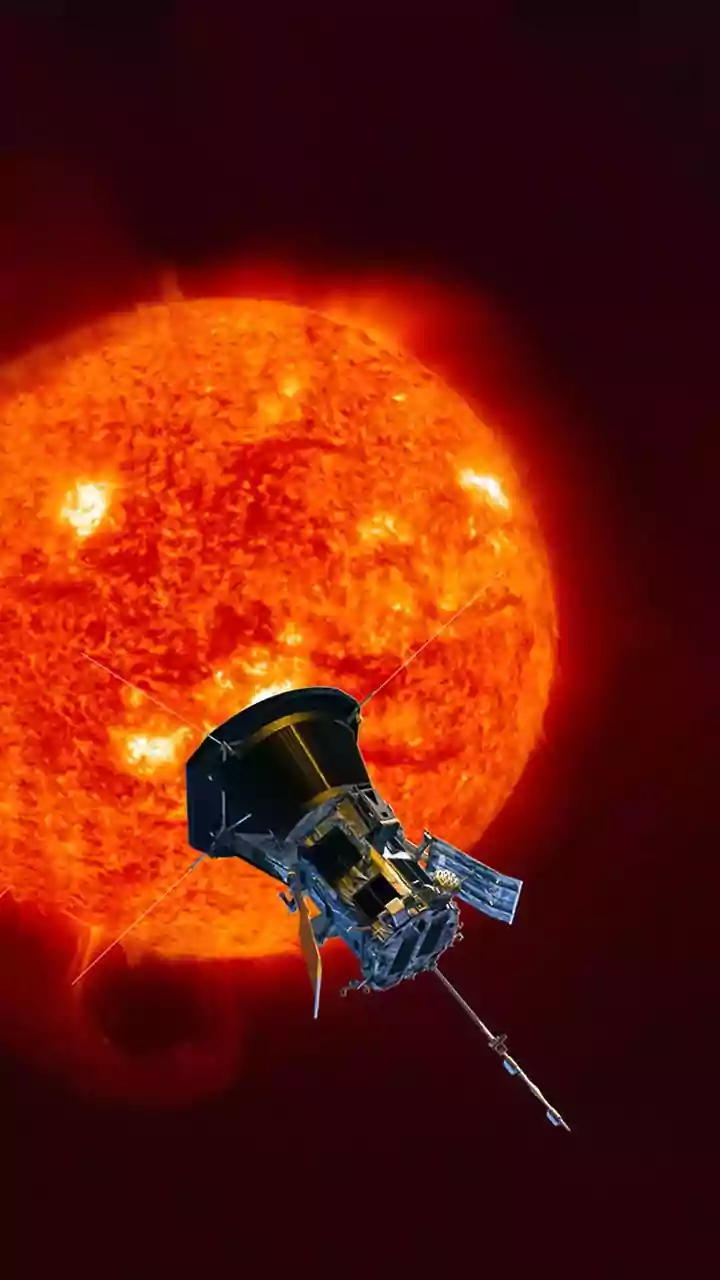
A solar maximum is defined by an increase in sunspots, which are cooler, darker patches on the Sun’s surface that are hotbeds of intense magnetic activity. These areas are the source of solar flares and, more importantly for auroras, Coronal Mass Ejections (CMEs). A CME is a massive eruption of solar plasma and charged particles that gets hurled into space. When Earth is in the path of one of these CMEs, it’s like a cosmic storm cloud heading our way. The increased activity of Solar Cycle 25 means these events are happening more frequently and with greater intensity than they have in over a decade.
How Earth’s Shield Creates a Light Show
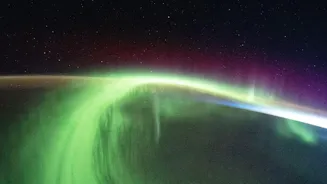
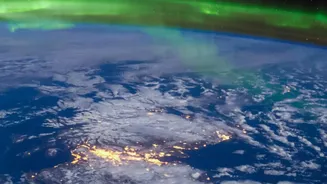
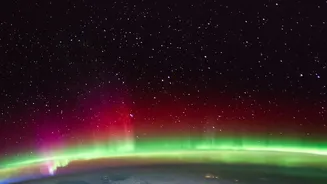
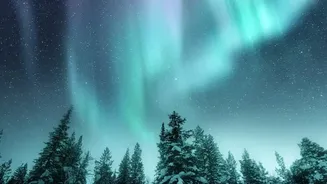
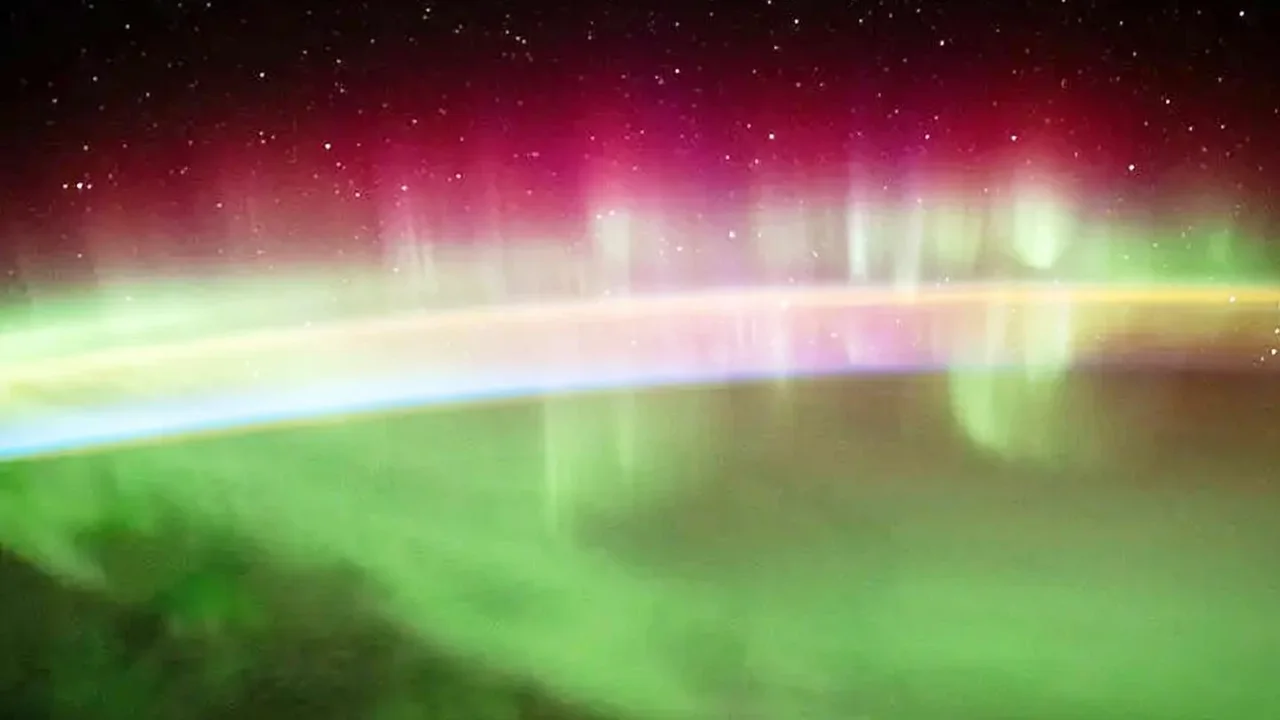
Earth is protected from this constant stream of solar particles by its magnetosphere, an invisible magnetic shield. When a CME collides with this shield, it can trigger a geomagnetic storm. This collision compresses and rattles our magnetic field, channeling the high-energy solar particles down towards the magnetic poles. As these particles slam into gases in our upper atmosphere—primarily oxygen and nitrogen—they transfer their energy, causing the gases to glow. The different colours are the result of different gases being excited at various altitudes: oxygen typically glows green and red, while nitrogen can produce blue and purple hues. This stunning atmospheric light show is what we call the aurora.
Pushing the Lights Further South
Normally, this light show is confined to the 'auroral ovals,' which are rings of auroral activity high up in the polar regions. However, during an intense geomagnetic storm caused by a powerful CME, the auroral oval expands dramatically. The sheer volume of energy pushes the aurora to much lower latitudes than usual. This is why, during this solar maximum, auroras have been spotted in places that rarely see them. For example, a powerful storm in May 2024 produced auroras visible as far south as Florida and Puerto Rico. In September 2026, minor to moderate geomagnetic storms have repeatedly put places across the northern United States on alert for potential sightings.
A Prime Time for Skywatching
The period from 2024 through 2026 represents a golden opportunity for seeing the northern lights. Some of the most powerful geomagnetic storms can occur in the year or two following the solar peak, making 2026 a particularly promising year for aurora chasers. While the chances of seeing the lights from India are practically zero due to its latitude, the current solar maximum provides a spectacular global display of nature's power. For those in higher-latitude countries like Canada, Scotland, and the Nordic nations, this period offers more frequent and vibrant displays. The key to catching a glimpse is a dark sky far from city lights, a clear view of the northern horizon, and a little bit of cosmic luck.