



A Changing of the Guard in Orbit
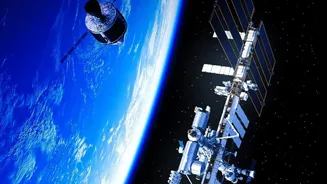
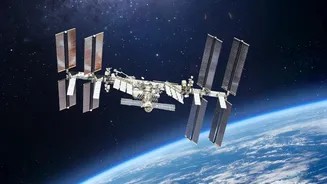
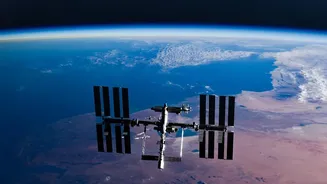
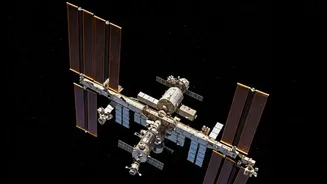
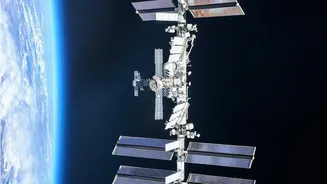
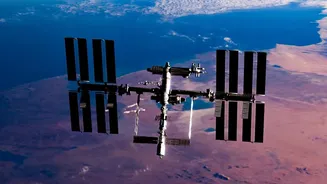
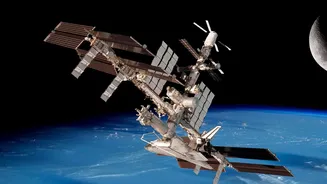
For over two decades, the International Space Station has been humanity's sole address in low Earth orbit (LEO). But the monumental engineering marvel is aging, with its retirement and deorbit planned for around 2030. Instead of building a government-funded
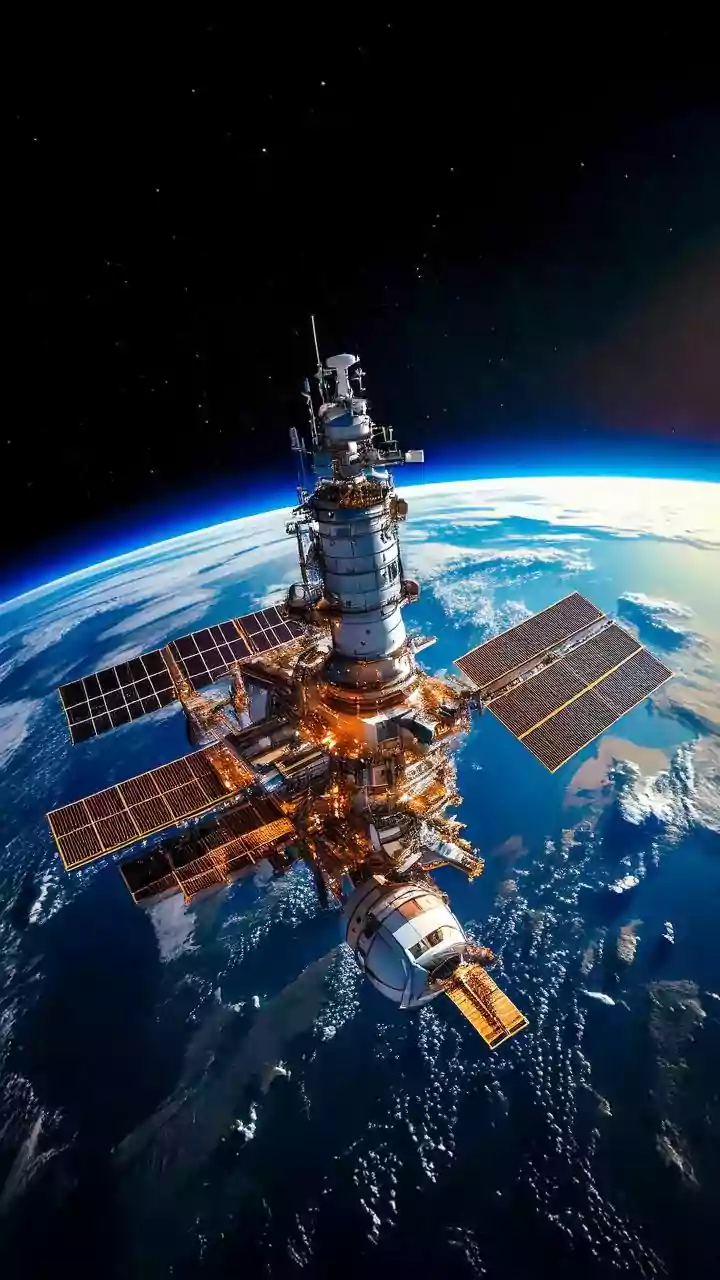
sequel, NASA is pivoting. Through its Commercial LEO Destinations (CLD) program, the agency is fostering a new commercial marketplace by funding private companies to develop their own stations. The goal is for NASA to become just one of many customers, buying services like astronaut time and research capacity from a fleet of commercially owned and operated habitats. This strategic shift is designed to prevent a gap in U.S. human presence in orbit and catalyze a self-sustaining LEO economy.
The Contenders for LEO's Future
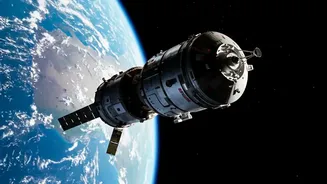
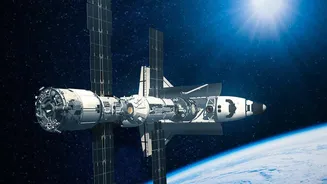
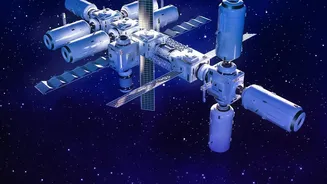
Several well-funded companies are leading the charge to build this new orbital real estate. Axiom Space is taking a unique approach by first attaching its own modules to the ISS, with the first connection planned for around 2027. These modules will eventually detach to form a free-flying Axiom Station. The company is already flying private astronaut missions to the ISS. Meanwhile, Vast is aiming to be the first to launch a standalone commercial station, with its Haven-1 module targeting a launch in early 2027. Looking further ahead, the Starlab project, a transatlantic joint venture between Voyager Space and Airbus, is developing a large, single-module station planned for a 2029 launch. Other players, including a partnership between Blue Origin and Sierra Space on the Orbital Reef concept, are also developing ambitious plans for larger outposts later in the decade.
The Building Blocks: Inflatables and Modules
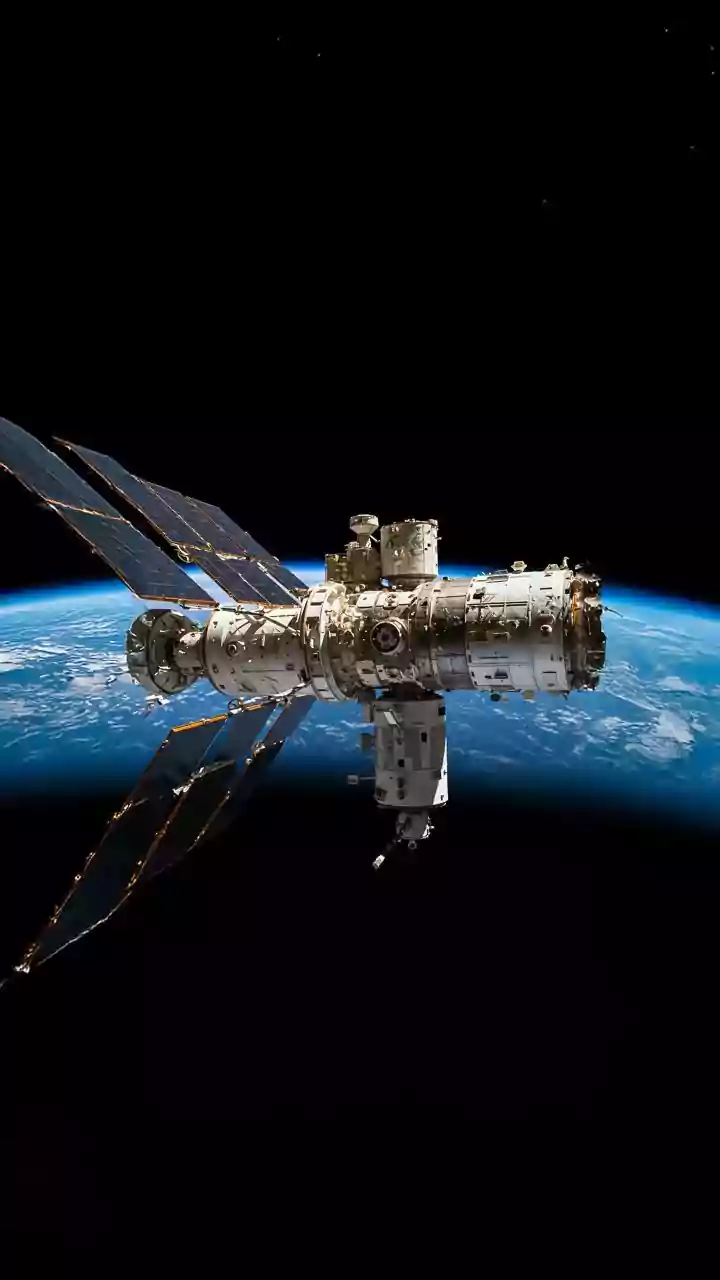
Companies are pursuing two main architectural paths: traditional rigid modules and innovative inflatable habitats. Rigid modules, typically made of metal, are similar to the components that make up the ISS. Axiom and Starlab are building their stations from these proven, sturdy structures. In contrast, Sierra Space is developing its Large Integrated Flexible Environment (LIFE) habitat, an inflatable module made of high-strength fabrics like Vectran. These 'softgoods' structures can be packed into a standard rocket fairing and then expand in orbit to create a living space the size of a multi-story building. The key advantage is launching a much larger internal volume for a given mass, which could dramatically lower the cost per cubic meter of habitable space. These habitats undergo rigorous ground testing, including being inflated until they burst to prove their strength far exceeds operational pressures.
More Than Just a Tourist Hotel
While space tourism at a reported price of around $55 million per seat on an Axiom mission gets headlines, the business case for commercial stations is much broader. To be sustainable, these platforms must serve a diverse customer base. This includes sovereign astronaut programs from nations without their own space capabilities, pharmaceutical companies conducting microgravity drug development, and firms exploring in-space manufacturing of high-value products like exotic optical fibers and 3D-printed human organs. Entertainment and media projects are another potential revenue stream. NASA itself will remain a key anchor tenant, purchasing services to continue its long-term research on human health for future missions to the Moon and Mars. Ultimately, the vision is to create a mixed-use business park in orbit, where science, tourism, and industry coexist.
Hurdles on the Path to Orbit
The road to a commercial LEO ecosystem is paved with challenges. The most significant is financial. Developing, launching, and operating a space station is incredibly expensive, and the market beyond NASA is still unproven. Securing sufficient private investment and ensuring a steady stream of customers are critical for long-term viability. Technical and safety risks are also immense. These stations must be robust enough to operate for years, provide life support, and protect crews from the harsh environment of space, including orbital debris. Furthermore, these new station operators are dependent on launch providers like SpaceX to get their modules and crews to orbit, making launch vehicle availability and cost a key factor in their business plans. Finally, a complex web of regulatory and international legal questions about liability and jurisdiction for private outposts must be resolved.