



Why Autumn is the Perfect Season
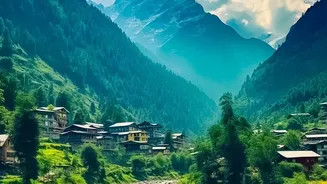
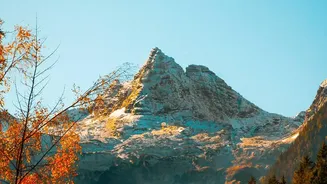
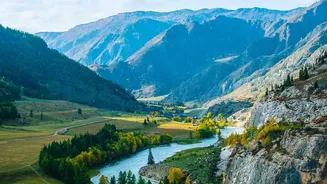
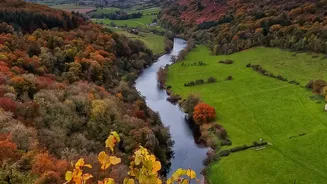
Autumn, spanning from late September to November, is arguably the best time to visit Tirthan Valley. The monsoon rains will have washed the valley clean, leaving behind lush greenery and crystal-clear skies. Temperatures are pleasant, typically ranging
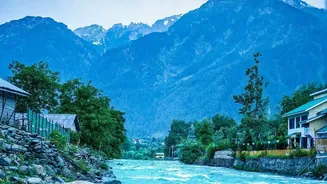
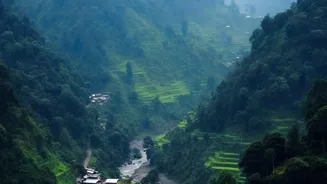
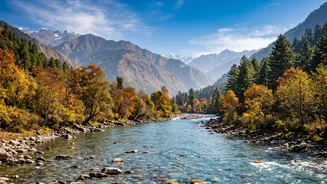
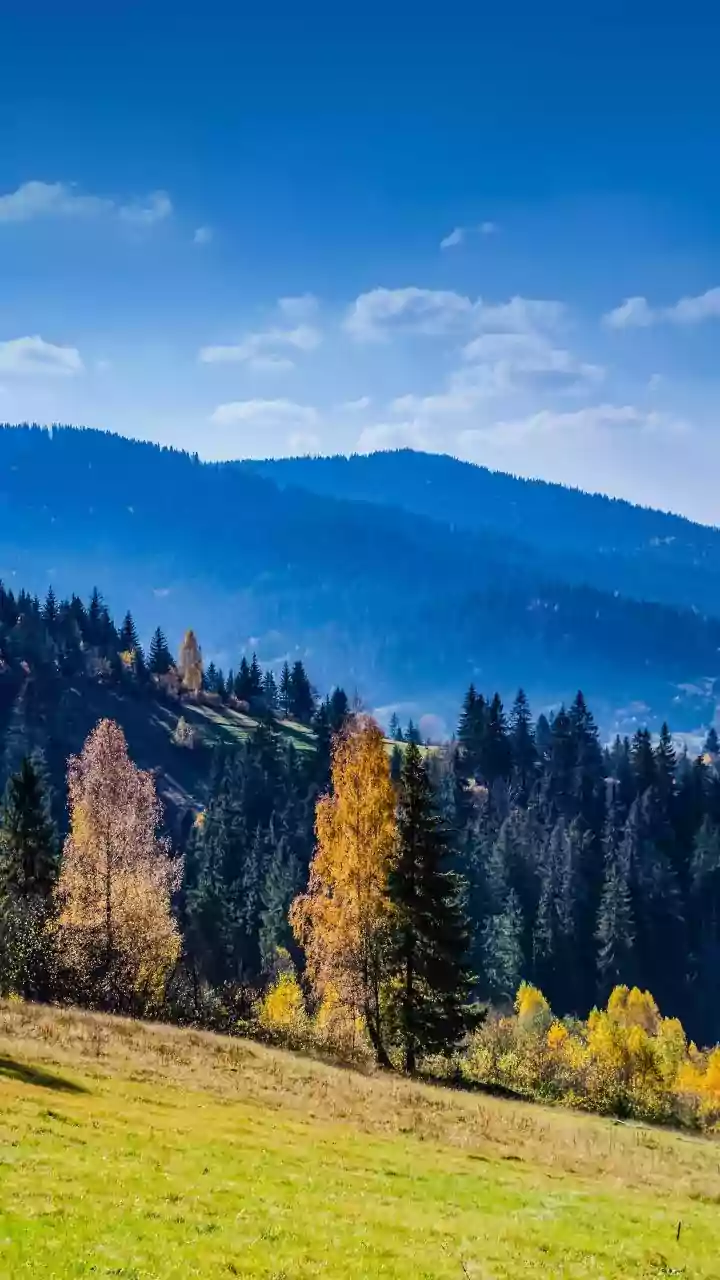
from 10 to 25 degrees Celsius, making it ideal for trekking and outdoor exploration. Unlike the summer rush, autumn sees fewer crowds, which means a more peaceful experience and often, better deals on accommodation. The landscape, with its post-monsoon vibrancy and the gentle onset of winter, is picture-perfect.
Getting There on a Shoestring
The most economical way to reach Tirthan Valley from cities like Delhi or Chandigarh is by an overnight bus. Several private and state-run (HRTC) buses ply towards Manali; you need to get off at Aut, the main entry point for Tirthan Valley. An overnight journey from Delhi to Aut takes about 10-12 hours and can cost anywhere between ₹800 to ₹1,200 for a non-AC or standard Volvo bus. Travelling overnight also saves you the cost of one night's accommodation. From Aut, you can hop onto a local bus or a shared taxi to Banjar or Gushaini, which are the main hubs in the valley. A shared taxi should cost you around ₹100-₹300, while a local bus is even cheaper at about ₹50-₹60.
Pocket-Friendly Stays
Tirthan Valley is famous for its warm and welcoming homestays, which are the best option for budget travellers. In villages like Gushaini, Banjar, and Jibhi, you can find clean, comfortable homestays for as low as ₹800 to ₹1,500 per night, often including a simple breakfast. Some places might even offer dorm beds for around ₹400-₹600. These family-run establishments not only save you money but also offer an authentic cultural experience. To get the best rates, it's advisable to call the homestay owners directly rather than booking through online portals, which may add commission fees.
Eating Like a Local (Without Splurging)
One of the best ways to save money and experience local culture is through food. Skip the fancy cafes catering to tourists and eat at local dhabas. A hearty and delicious meal of rajma chawal or a Himachali thali can cost as little as ₹100-₹150. A full day's food expenses can easily be managed within ₹500-₹800 if you stick to these local eateries. Don't miss out on trying local specialties like Siddu, a steamed bun stuffed with fillings, or the famed river trout, which might be a slight splurge but is well worth it. Many homestays also provide simple, home-cooked meals at very reasonable prices.
Free and Low-Cost Activities
The beauty of Tirthan is that most of its attractions are natural and require little to no money to enjoy. Simply sitting by the pristine Tirthan River is a blissful experience in itself. Short treks to places like the Chhoie Waterfall are completely free and highly rewarding. A visit to the Great Himalayan National Park (GHNP), a UNESCO World Heritage Site, has a nominal entry fee of about ₹50-₹100 for Indians. Instead of hiring expensive guides, you can explore the well-marked trails on your own. You can also take a shared taxi to Jalori Pass for stunning Himalayan views and then embark on a short trek to Serolsar Lake. Exploring quaint villages like Jibhi, Gushaini, and Chehni Kothi offers a glimpse into traditional Himachali architecture and a slower pace of life.
Sample 3-Day Budget Itinerary
Day 1: Arrive at Aut in the morning and take a shared taxi to your homestay in Gushaini. After settling in, spend the afternoon relaxing by the Tirthan River. Keep your expenses low by having dinner at a local dhaba. Day 2: Embark on a free morning trek to the beautiful Chhoie Waterfall. In the afternoon, you can visit the Great Himalayan National Park gate area. Explore the local market in Banjar in the evening for some window shopping. Day 3: Take a day trip to Jibhi. You can reach it via a shared taxi for about ₹50. Explore the charming village, visit the Jibhi waterfall, and relax in one of the riverside cafes before heading back to Aut in the afternoon to catch your evening bus back home.