


The Sugar and Starch Showdown
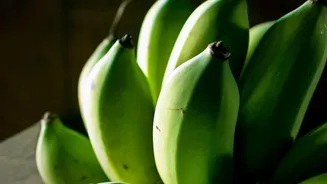
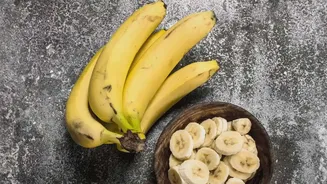
The most significant difference between green and yellow bananas lies in their carbohydrate composition. An unripe, green banana is packed with resistant starch. This type of starch 'resists' digestion in your small intestine, functioning more like a fiber.
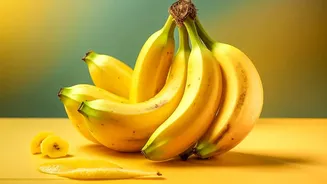
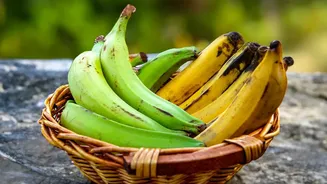
As the banana ripens, enzymes convert this starch into simple sugars like sucrose, glucose, and fructose. This is why a perfectly yellow banana tastes so much sweeter than its green counterpart. While a fully ripe banana might contain over 12 grams of sugar, an unripe one has less than two grams, with the rest being starch. This makes green bananas a better choice for those managing blood sugar levels, as they have a lower glycemic index (GI) and lead to a slower release of glucose into the bloodstream. A green banana's GI is around 30-42, while a ripe one can climb to 62 or higher.
A Boost for Your Gut Health
The high resistant starch content in green bananas makes them a prebiotic powerhouse. Prebiotics are compounds that feed the beneficial bacteria in your gut. As the resistant starch travels to your large intestine, it becomes food for these microbes, which ferment it to produce short-chain fatty acids. These fatty acids are crucial for the health of your colon cells and can contribute to a healthier overall gut microbiome. Ripe bananas, being lower in this specific starch, don't offer the same prebiotic punch. However, because their sugars are easier to break down, they are often considered easier to digest for the average person, especially those who might experience bloating or gas from the high fiber and starch content in green bananas.
Energy Release: A Slow Burn vs. a Quick Hit
Your choice of banana can also depend on your energy needs. If you're looking for sustained energy to get you through the morning, a green banana is the superior option. The slow digestion of its resistant starch provides a gradual release of energy, helping you feel fuller for longer and preventing the dreaded sugar crash. This can also aid in weight management by promoting satiety. On the other hand, if you need a quick burst of energy before a workout, a ripe yellow banana is ideal. The simple sugars are rapidly absorbed by the body, providing an instant fuel source that athletes often rely on.
Nutrients and Antioxidants on a Sliding Scale
While the core nutrients like potassium and vitamin B6 remain relatively stable throughout the ripening process, the antioxidant profile changes significantly. Surprisingly, as a banana ripens and develops brown spots, its antioxidant levels increase. These dark spots are a visual cue that the banana contains higher levels of beneficial plant compounds that help combat oxidative stress in the body. However, some micronutrients, like vitamin C, may degrade slightly as the banana becomes overripe. For the best of both worlds—good texture and high antioxidant levels—a fully yellow banana with a few brown spots is often considered a sweet spot.