


The Smart Approach: Prep Components, Not Full Meals
The secret to flexible and appealing meal prep is not to cook five identical portions of the same dish. Instead, focus on preparing versatile ingredients that can be mixed and matched. This 'component prep' approach prevents taste fatigue and allows for
creativity. By washing, chopping, and cooking individual elements like grains, proteins, and vegetables, you create a toolkit for building different meals in minutes. Think of it as creating your own personal salad bar or meal bowl station in your fridge. This way, you can decide if you want a wrap, a bowl, or a stir-fry on the day, rather than being locked into a pre-made meal that might not sound appealing by Wednesday.
Your Foundational Shopping List
A successful prep starts at the grocery store. Keep your list simple and focused on ingredients that hold up well in the fridge. For a student budget, buying in bulk where possible for non-perishables is a great money-saver. Your weekly list should include a mix of proteins, complex carbs, and plenty of vegetables. For proteins, think canned chickpeas, black beans, lentils, or a block of tofu. For grains, quinoa, brown rice, or even whole-wheat pasta are excellent choices. When it comes to vegetables, choose sturdy options like carrots, bell peppers, broccoli, cauliflower, and onions. Hearty greens like kale or spinach are also great, as are long-lasting root vegetables like sweet potatoes. Finally, grab some flavour boosters: lemons, garlic, a jar of pasta sauce, and some soy sauce or tamari.
The One-Hour Power Prep Session
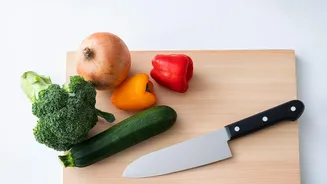
Set aside about an hour to get everything ready. Put on some music and follow a simple workflow. First, cook your grains. While a batch of brown rice or quinoa is simmering on the stove, you can move on to the vegetables. Wash and chop all your sturdy veggies—dice onions, slice bell peppers, and cut broccoli into florets. Harder vegetables like sweet potatoes can be cubed and roasted in the oven until tender. While those are cooking, press your tofu to remove excess water and cube it, or simply rinse your canned beans and chickpeas. You can also whip up a simple dressing, like a lemon-tahini or a basic vinaigrette, to use throughout the week. By the time your grains and roasted vegetables are done, everything is ready to be cooled and stored.
Smart Storage to Keep Food Fresh
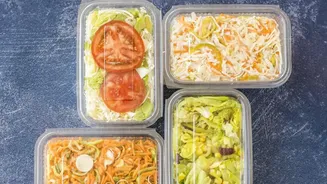
Proper storage is crucial to making your prepped ingredients last all week. Once everything has cooled completely to prevent condensation and bacterial growth, store each component in its own airtight container in the fridge. For chopped vegetables like carrots and celery, adding a splash of water to the container can keep them crisp. For leafy greens, wash and dry them thoroughly, then store them in a container lined with a paper towel to absorb any excess moisture—this can extend their life by several days. Cooked grains and beans should be in sealed containers. By keeping everything separate, you prevent ingredients from becoming soggy and ensure they taste fresh when you're ready to assemble your meals.
From Prep to Plate: Effortless Meal Ideas
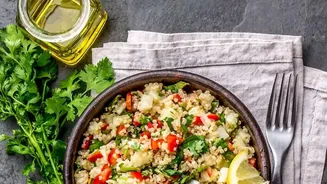
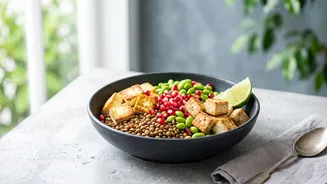
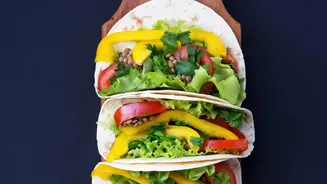
Now for the fun part: turning your prepped components into quick, delicious meals. For lunch, you can throw together a grain bowl in under five minutes. Start with a base of quinoa or rice, add a handful of chickpeas or tofu, top with your chopped raw or roasted veggies, and finish with a drizzle of your pre-made dressing. For a quick dinner, you can make a simple stir-fry by sautéing your pre-chopped vegetables and tofu with some soy sauce and garlic, then serving it over rice. Another option is to fill a whole-wheat tortilla with black beans, roasted sweet potatoes, and spinach for a satisfying burrito. These meals come together in less time than it takes to order takeout and are significantly healthier and more budget-friendly.