





As winter arrives, we instinctively reach for 'garam' foods. But do they really turn up your internal thermostat? The science is more complex and fascinating than a simple temperature dial, involving how your body generates its own heat.
The Myth of the Internal Heater
Let's clear up
a common misconception: eating a bowl of hot soup or a millet roti does not raise your core body temperature in the same way a fever or a central heating system does. Your body is a master of thermoregulation, maintaining a stable internal temperature of around 98.6°F (37°C). Food alone cannot drastically alter this set point. The 'warming' sensation we feel is not about changing your core temperature but about supporting the body's own heat-production processes and improving circulation. The feeling of warmth from a hot beverage is temporary, and while comforting, it's not the whole story. The real magic lies in how our bodies digest what we eat.
The Real Science: Diet-Induced Thermogenesis
The true 'warming' effect of food comes from a process called diet-induced thermogenesis (DIT), or the thermic effect of food (TEF). Simply put, your body uses energy (burns calories) to digest, absorb, and process the nutrients in your food. This metabolic process generates heat. Foods that are rich in protein, complex carbohydrates, and healthy fats require more energy to break down, thus producing more heat compared to simple foods. This is why a hearty winter meal feels so much more satisfying and warming than a light salad; your digestive system is working harder, creating a subtle, sustained internal warmth.
Ghee: The Golden Elixir
Traditional Indian wisdom has long celebrated ghee as a winter essential, and science supports this. Ghee is rich in healthy fats, which the body uses for sustained energy. Digesting these fats is a slow-burn process that contributes to thermogenesis. This provides a feeling of warmth and satiety. Beyond just energy, ghee helps in the absorption of fat-soluble vitamins like A, D, E, and K, which are crucial for immunity during winter. It also nourishes the skin, preventing the dryness that often comes with cold weather.
Millets: The Power of Bajra and Ragi
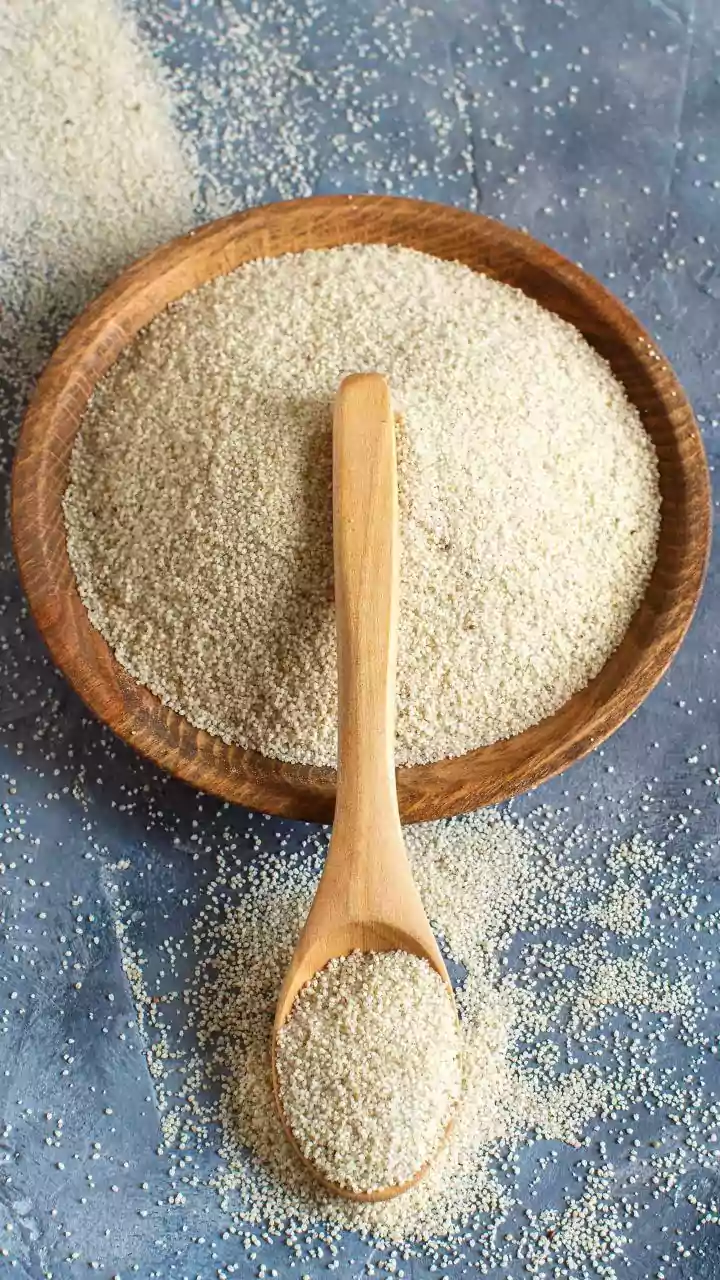
Winter is the season for millets like bajra (pearl millet) and ragi (finger millet). These grains are complex carbohydrates, meaning they are digested slowly, providing a steady release of energy and heat. Their high fibre content keeps you feeling full and aids digestion, which can become sluggish in colder months. Ayurveda considers bajra to have a warming potency ('ushna virya'), which helps combat the cold and dryness of winter. Swapping wheat rotis for bajra or ragi rotis is a simple way to incorporate these nourishing grains into your diet.
Jaggery (Gur): Nature's Sweet Warmer
Replacing refined sugar with jaggery is a classic winter move in many Indian households. Unlike sugar, which provides empty calories, jaggery contains minerals like iron and magnesium. It's known to provide a slow release of energy, preventing the sharp spikes and crashes associated with white sugar. While the idea that it generates significant body heat is more a traditional belief, its role in providing sustained energy helps the body fuel its own warming mechanisms. It’s also traditionally used to soothe sore throats and colds.
Spices: Your Metabolic Boosters
Indian spices are not just for flavour; they are functional foods that can gently boost your metabolism. Ginger, for instance, is known to enhance thermogenesis and increase calorie burn. Cinnamon helps regulate blood sugar, which is key for stable energy. Cumin and black pepper aid digestion and improve nutrient absorption. These spices work by stimulating circulation and digestive enzymes, which contributes to an overall feeling of warmth and wellbeing.