






The Culture of Crispy Snacks
From monsoon evenings spent with chai and pakoras to festive platters laden with samosas and mathris, fried foods are central to connection and celebration in India. They are a source of comfort, nostalgia, and pure culinary joy. However, the traditional
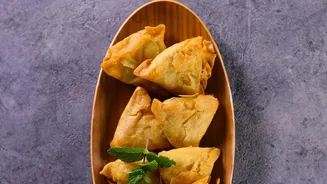
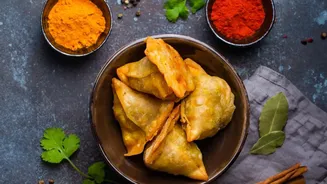
method of deep-frying, which involves submerging food completely in hot oil, comes with a well-known health cost. These beloved snacks absorb a significant amount of fat, which contributes to a higher calorie count and can lead to long-term health issues when consumed frequently. A single deep-fried samosa, for instance, can contain over 260 calories and a substantial amount of fat. This has left many families searching for a way to balance tradition with a healthier lifestyle.
How Air Fryers Change the Game
An air fryer is not a fryer in the traditional sense; it’s more like a powerful, compact convection oven. It works by circulating superheated air at high speed around the food placed in its basket. This rapid airflow cooks the food and creates a crisp, golden-brown exterior that mimics the texture of deep-frying. The key difference is the amount of oil required. Instead of litres of oil, most air-fried recipes need just a teaspoon or a light spray to achieve a satisfying crunch. For foods that already have some fat, like certain kebabs, you might not need any oil at all. This technique dramatically reduces the amount of fat the food absorbs.
A Healthier Indulgence, Explained
The primary health benefit of air-frying is a significant reduction in fat and calories. Studies and nutritional comparisons show that switching from deep-frying to air-frying can cut calorie intake from a meal by 70-80%. For example, an air-fried samosa may have around 150-200 calories, compared to over 260 for its deep-fried counterpart. This simple swap can help in managing weight and reducing the risks associated with high consumption of fatty foods. Furthermore, air-frying produces less acrylamide, a potentially harmful chemical that forms in starchy foods during high-temperature frying. It is important to remember that while it's a healthier cooking method, the overall healthiness of the meal still depends on the ingredients you choose.
Reviving Your Favourite Regional Snacks
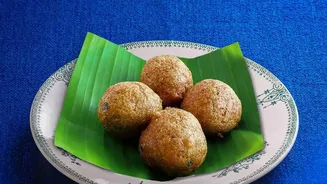
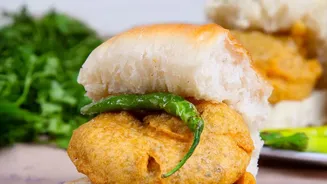
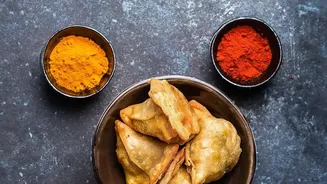
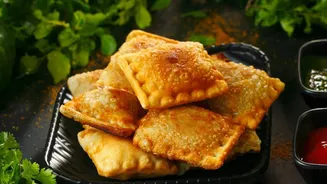
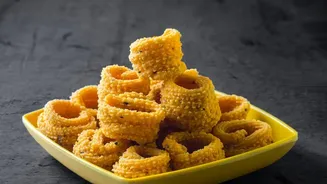
The versatility of the air fryer is perfect for the diverse landscape of Indian snacks. Many regional favourites can be easily adapted. Classic potato and pea samosas get a crispy, flaky crust with just a light brushing of oil. Onion pakoras, or bhajis, can be made by creating a slightly thicker batter to hold its shape and air-frying until golden. Aloo tikkis, the popular street-food patties, crisp up beautifully and can be served with your favourite chutneys. Even dry snacks like mathri, namak pare, and chakli (murukku) can be successfully made in an air fryer, providing a lighter option for festive and daily munching. Paneer tikka and various kebabs also cook wonderfully, becoming tender on the inside and perfectly charred on the outside.
Tips for Perfect Air-Fried Indian Snacks
To get the best results when converting your family’s traditional recipes, a few tips can make all the difference. Always preheat your air fryer for a few minutes to ensure the food starts crisping immediately. Don't overcrowd the basket; arrange snacks in a single layer to allow the hot air to circulate evenly. Overcrowding can cause the food to steam rather than fry. For items like samosas and pakoras, a light spray or brush of oil is crucial for achieving that golden, fried texture. Shaking the basket or flipping the items halfway through the cooking time ensures they brown evenly on all sides. Finally, be aware that cooking times may be shorter than in an oven, so it's wise to check on your snacks a few minutes early to prevent them from overcooking.