




Gathering Your Natural Materials
The beauty of a natural rangoli lies in its simplicity and connection to the earth. Instead of synthetic powders, your palette comes directly from your garden and kitchen. For colours, collect a variety of fresh flowers; marigolds are perfect for vibrant
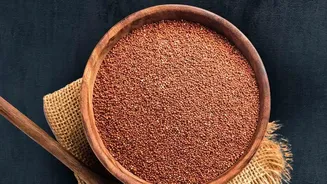
oranges and yellows, while rose petals offer deep reds and pinks. White can be sourced from jasmine or chrysanthemum petals. For your base and outlines, you will need rice flour for a classic white and turmeric powder for a brilliant, auspicious yellow. Having some green leaves, like mango or peepal leaves, can also add a wonderful contrast to your design. Traditionally, using rice flour was also an offering, providing food for small insects and birds, symbolising coexistence.
Preparing the Canvas and Colours
Before you begin your artistry, prepare your workspace. Choose a flat, clean, and dry area at your doorstep or in your courtyard. A clean surface helps the petals and powders adhere better. For a more defined and traditional approach, you can create an outline of your chosen design using chalk or rice flour. This guide will help you maintain symmetry and keep your design neat. To prepare your yellow colour, you can mix turmeric powder with an equal amount of rice flour to help it spread more evenly. For the flowers, gently pluck the petals. A helpful tip is to trim the base of the petals with scissors to remove the white, tougher part, which results in finer, more uniformly coloured petals for your design.
Designing Your Floral Masterpiece
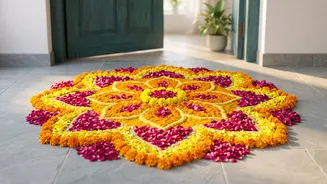
With your materials ready, the creative process can begin. If you are new to rangoli, starting with a simple geometric or floral pattern is a great approach. You can use household items like plates or bangles as stencils to create perfect circles. Start filling your design from the centre and work your way outwards to avoid smudging your work. Alternatively, you can start with the outer border and fill inwards. Use the turmeric and rice flour mixture for base colours and fine lines. Then, begin filling the larger sections with your flower petals. Arrange them closely so that no floor is visible through the gaps. You can create beautiful gradients by layering different shades of petals or create bold, colour-blocked sections for a modern look.
Adding Texture and Final Touches
To give your rangoli more depth and character, play with textures. You can use whole flowers, like marigolds, to create a thick, pronounced border that helps keep the loose petals in place. Leaves can be used to add splashes of green and a different texture. For intricate centrepieces or fine details, the pointy petals of jasmine flowers are ideal. Once your pattern is complete, placing diyas (earthen lamps) around or within your rangoli adds a magical glow, especially in the evening. The combination of fragrant flowers and the warm light of the diyas creates a truly festive and welcoming atmosphere.
Tips for a Longer-Lasting Rangoli
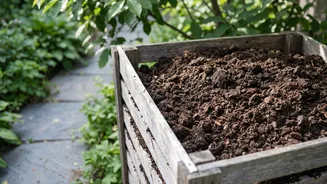
Fresh flower rangolis are beautiful but ephemeral. To help your creation stay fresh for longer, you can lightly sprinkle water over the petals periodically. This helps them from drying out too quickly. Another advanced technique is to lay a thin, damp base of sifted garden soil on your design area before starting. This soil base retains moisture, which the petals will absorb, keeping them vibrant for an extended period. Be mindful that loose petals can be blown away by a strong breeze, so choosing a somewhat sheltered spot is always a good idea. Finally, when the festival is over, these natural materials can be easily swept up and added to your compost, returning harmlessly to the earth.