






The Soul of the Celebration
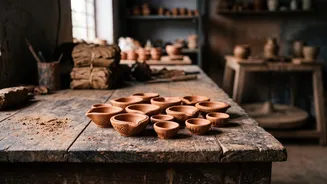
For centuries, the small, handcrafted clay lamp has been central to Diwali. Its flame is said to welcome Lakshmi, the goddess of wealth, and guide Lord Rama home from exile. This tradition is more than just decoration; it’s a profound cultural symbol
of purity, hope, and the victory of good over evil. Each diya, moulded from the earth by skilled hands, connects the celebration to nature and to an ancient artistic heritage. The act of lighting a row of these earthen lamps is a ritual that binds families and communities, creating a spectacle of gentle, flickering light that represents a collective prayer for a brighter future.
A Tradition Under Pressure
Despite its deep cultural significance, the tradition of making clay diyas is facing an existential threat. The primary challenge comes from the flood of cheaper, mass-produced electric and plastic lights. These dazzling, often imported, alternatives offer convenience and have become a popular choice in urban areas, significantly eating into the potters' market share. Furthermore, artisans, known as 'kumhars', grapple with soaring raw material costs and a scarcity of quality clay, often having to travel hundreds of kilometers to source it. Environmental regulations, such as bans on traditional kilns in urbanised areas, have also forced many families who have been in the trade for generations to abandon manufacturing altogether.
The Hands Behind the Craft
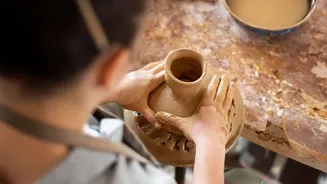
The Kumhar community, who identify themselves as 'Prajapati' after the son of Lord Brahma, have been the custodians of this craft for millennia. For them, pottery is not just an occupation but a way of life, with skills passed down through generations. The process is labour-intensive, often involving the entire family. Women play a crucial role, preparing the clay and decorating the finished products, though their contributions often go unrecognised. However, this ancestral legacy is now at a crossroads. Due to meagre and uncertain incomes, the younger generation is increasingly reluctant to continue the family trade, opting instead for more stable and lucrative professions in cities. Many artisans now find themselves in a precarious position, struggling to make ends meet outside of the brief festive season.
Resilience and Reinvention
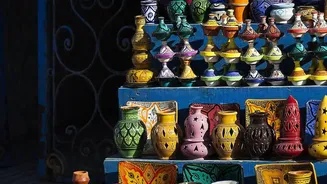
In the face of these challenges, many artisans are showing remarkable resilience. Some are adapting by innovating their designs, creating more ornate and painted diyas to appeal to modern aesthetic tastes. Others are expanding their product lines to include a wider range of terracotta items like decorative planters and idols. Government initiatives like the Kumhar Sashaktikaran Yojana aim to empower these artisans by providing them with electric potter wheels and other modern equipment to increase productivity and income. These electric wheels can significantly boost a potter's daily earnings, making the craft more sustainable. There is also a growing awareness among consumers about the importance of supporting local, handmade goods, which offers a glimmer of hope for these craftspeople.