






What Exactly is a Gold ETF?
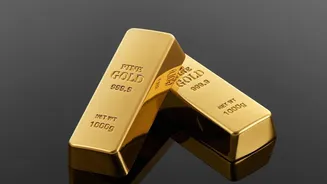
Think of a Gold Exchange Traded Fund (ETF) as a way to own gold without a physical locker. It's a financial product that tracks the price of pure gold. Each unit of a Gold ETF that you buy represents a certain quantity of gold, typically one gram of 99.5%
pure gold, held in electronic or 'dematerialised' form. These ETFs are traded on stock exchanges like the NSE and BSE, just like shares of a company. This means you can buy and sell them easily during market hours through a standard trading account, making it a modern, digital alternative to buying jewellery or coins.
Why Gold for a Modern Portfolio?
For generations, gold has been seen as a safe haven and a store of value. Its role in a modern investment portfolio remains just as crucial, primarily for diversification. The price of gold often moves independently of stocks and bonds. During periods of market volatility or economic uncertainty, when stock prices might fall, gold often holds its value or may even rise. This counter-cyclical nature can help balance your overall portfolio and reduce risk. It also acts as a hedge against inflation, meaning it can help protect the purchasing power of your money over the long term.
The Gen Z Advantage: Low Cost and Digital
Gold ETFs are particularly well-suited for young, digital-native investors. Unlike physical gold, you don’t have to worry about making charges, purity checks, or storage costs like bank locker fees. The investment is held securely in your Demat account. Furthermore, the barrier to entry is low. You can start investing with an amount equivalent to just one unit (often one gram of gold), making it highly accessible. A key factor is the low expense ratio, which is an annual fee charged by the fund manager. These fees are typically much lower than the costs associated with physical gold, ensuring more of your money stays invested and working for you.
Getting Started: A Simple Guide
Investing in Gold ETFs is straightforward. The first step is to open a Demat and trading account with a stockbroker, a process that is now almost entirely online and can be completed quickly. Once your account and KYC (Know Your Customer) formalities are complete, you can log into your trading platform. From there, you can search for various Gold ETFs listed on the exchange. When choosing, pay attention to the expense ratio — a lower ratio means lower costs for you. You can then place an order to buy the number of units you want. Your purchased ETF units will be credited to your Demat account, usually within two business days.
Understanding the Risks Involved
While considered a safer asset, Gold ETFs are not risk-free. The primary risk is market risk; the value of your ETF will fluctuate with the market price of gold. If gold prices fall, the value of your investment will also decrease. Macroeconomic factors like changes in interest rates can also influence gold prices. It’s also important to remember that Gold ETFs are designed to track the price of gold, not to generate active income like dividends. They are a tool for diversification and long-term wealth preservation, not a get-rich-quick scheme. As with any market-linked product, it is crucial to align the investment with your personal financial goals and risk appetite.