





Why Routine is Your Pet's Best Friend
For cats and dogs, a predictable schedule isn't about being rigid; it's about feeling secure. Animals have internal clocks that are tied to their basic needs, and knowing when to expect meals, walks, and rest helps to significantly reduce anxiety. When
the familiar rhythm of the day is thrown off by late nights, house guests, or travel, pets can become unsettled. This stress can manifest in various ways, including excessive barking or meowing, destructive behavior, hiding, or even digestive upset. A consistent routine provides a sense of stability amidst the holiday chaos, reassuring your pet that their world is still safe and predictable even when the house is noisy and full of unfamiliar faces.
The Mealtime Anchor
One of the most important anchors in a pet's day is mealtime. Sticking to regular feeding times helps regulate their digestion and metabolism, preventing issues like an upset stomach or overeating. During the holidays, it’s easy to let feeding times slide. You might sleep in later or have a large family dinner that pushes your pet's mealtime back by hours. To avoid this, try to feed them as close to their normal time as possible, even if it means stepping away from the festivities for a few minutes. If your schedule is unavoidably hectic, an automatic pet feeder can be a valuable tool to dispense meals on time. It's also crucial to remind guests not to give your pet table scraps, as many festive human foods can be harmful to animals.
Preserving a Peaceful Sleep Schedule
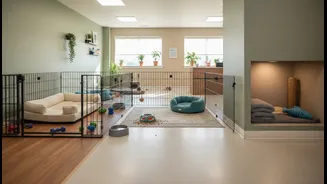
Just like humans, pets need consistent, restorative sleep to feel their best. Holiday celebrations can lead to late nights and increased noise, which can disrupt a pet's ability to rest. It's important to protect your pet's quiet time. A key strategy is to create a 'safe space'—a quiet room, crate, or corner where they can retreat when they feel overwhelmed. Make this space comfortable with their bed, a favorite blanket, and some toys. Playing soft music or a white noise machine can help muffle the sounds of a party. Try to maintain their usual bedtime routine as much as possible, such as a final trip outside before turning in for the night, to signal that it's time to wind down.
Consistency in Activity and Play
A pet's routine is more than just food and sleep; it also includes exercise and mental stimulation. Regular walks and play sessions are vital for burning off excess energy and reducing stress. A well-exercised pet is often a calmer and better-behaved pet. During the holidays, try not to skip your dog's daily walk or your cat's favorite playtime with a laser pointer. If you're short on time, even a quick game of fetch in the garden or a session with a puzzle toy can provide much-needed stimulation. Keeping up with these activities reinforces normalcy and gives your pet an outlet for any anxiety they may be feeling from the household changes.
Navigating Travel and New Environments
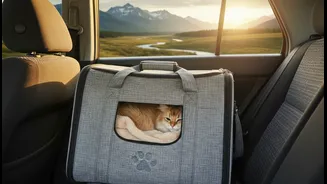
If your holiday plans involve traveling with your pet, maintaining their routine becomes even more critical. Before you leave, pack a travel kit that includes their regular food, familiar bowls, toys, and bedding. These items carry the scent of home and can make an unfamiliar place feel more secure. Once you arrive at your destination, try to establish their feeding and walking schedule as quickly as possible. On the road, plan for frequent breaks to allow them to stretch, hydrate, and relieve themselves. Keeping their core schedule intact provides a comforting rhythm that helps them adapt more easily to the new sights and smells of a different environment.