


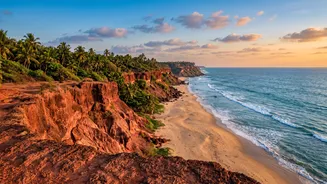


The New Office: A Cliffside View
Forget cramped cubicles and stressful commutes. The new generation of remote workers is swapping cityscapes for seascapes, and India's coastline is their new frontier. Beyond the usual suspect of Goa, two towns are rapidly gaining fame as digital nomad
hubs: Varkala in Kerala and Gokarna in Karnataka. Both offer a unique combination of dramatic cliffside views, laid-back beach culture, and perhaps most importantly, an affordable cost of living. This blend of productivity and paradise is attracting coders, writers, designers, and entrepreneurs who are redefining what a workday looks like. The 'workation' trend here isn't just a fleeting holiday; it's a sustainable lifestyle choice, proving that a high quality of life doesn't have to come with a high price tag.
Varkala: A Spiritual Vibe with Reliable Wi-Fi
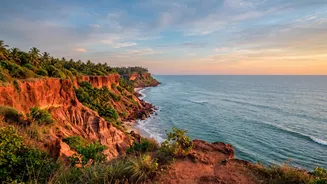
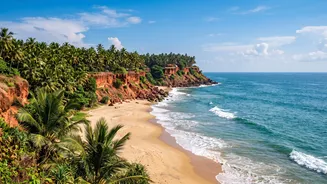
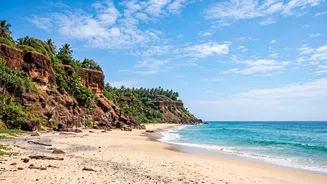
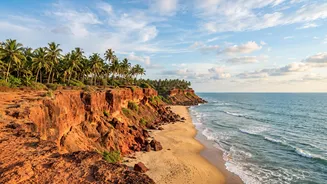
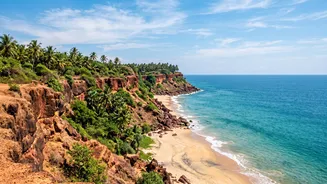
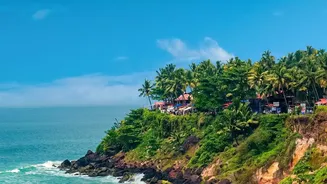
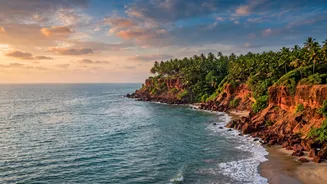
Varkala's main draw is its stunning geography—a long, paved cliff that runs parallel to the Arabian Sea, dotted with cafes, guesthouses, and yoga shalas. This setup is perfect for remote work. A community of digital nomads can often be found with laptops open in cafes like Coffee Temple or AUM Cafe, which offer reliable Wi-Fi, power outlets, and inspiring ocean views. The town's atmosphere is a mix of spiritual wellness and bohemian charm. It's common to start the day with a surf lesson, break for a client call overlooking the water, and end with an evening yoga session. The presence of dedicated work-friendly hostels and spaces further cements its status as a nomad-friendly destination.
Gokarna: A Quieter, Rustic Alternative
If Varkala is a polished hub, Gokarna is its more rustic and tranquil cousin. Known for its pristine beaches like Kudle and Om, Gokarna offers a more peaceful, less commercialised experience. Originally a pilgrimage town, it has retained a slow-paced, relaxed feel that appeals to those looking to escape the crowds. While it has fewer dedicated coworking spaces, a growing number of beachside shacks and cafes, like Namaste Café, offer decent Wi-Fi and a welcoming environment for workers. The digital nomad scene here is smaller but tight-knit, appealing to those who prefer quiet focus over constant socialising. It's the ideal spot for deep work, punctuated by treks to secluded beaches and quiet evenings under the stars.
Breaking Down the Costs: An Affordable Reality
The headline claim of enjoying these locations "without heavy costs" holds true, especially when compared to metro cities. Accommodation is the biggest expense, but very manageable. A dorm bed in a hostel can cost between ₹400-₹600 per night, while private rooms in guesthouses or homestays can be found for around ₹1500 per night, with significant discounts for monthly stays. Food is incredibly affordable, with a filling meal at a local restaurant often costing under ₹250. Even the more tourist-focused cliffside cafes offer reasonable prices. A monthly budget of ₹30,000-₹35,000 for a single person covering stay and food is a realistic target. With such low overheads, professionals find they can save money while enjoying a lifestyle that would be exorbitantly expensive elsewhere.
The Practicalities: Connectivity and Other Considerations
While the dream is idyllic, a successful workation requires planning. Internet is the most critical factor. While many guesthouses and cafes offer Wi-Fi with speeds between 15-50 Mbps, it can be unreliable. Power cuts, especially during the monsoon season, are also a possibility. Most seasoned nomads carry a mobile data backup; Jio and Airtel have decent 4G and 5G coverage in these areas, which can be a lifesaver during a Wi-Fi drop. It's also wise to check with your accommodation about power backup options like inverters before booking a long stay. Ultimately, the experience requires a degree of flexibility and self-sufficiency, but for many, these minor challenges are a small price to pay for the freedom it affords.