





A Second, Silent Mission Begins
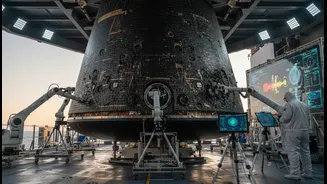
Once the Orion capsule splashed down in the Pacific Ocean, its journey was far from over. After being carefully recovered by the U.S. Navy, the spacecraft was transported to NASA's Kennedy Space Center. Here, it enters a new and arguably more crucial
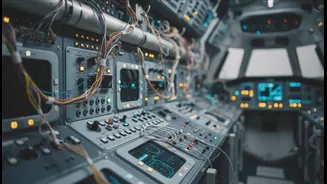
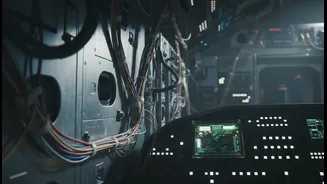
phase: a meticulous, months-long process of inspection and disassembly. Engineers are treating the capsule not just as a used vehicle, but as a time capsule from deep space. Every component, from its scorched heat shield to its internal life support systems, holds invaluable information. This methodical teardown is essential to understanding how the spacecraft performed under the extreme conditions of a lunar mission, laying the groundwork for every Artemis flight to come.
Peeling Back the Layers of Discovery
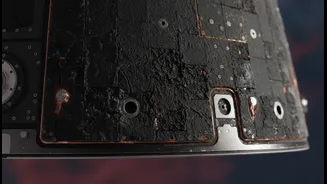
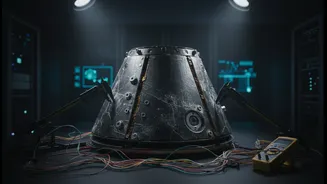
The analysis is a comprehensive and painstaking effort. A key focus is the heat shield, which protected the crew from temperatures of nearly 2,760°C during reentry. Following issues of unexpected char loss on the uncrewed Artemis I, engineers are closely examining how the modified shield on Artemis II performed. Beyond the shield, teams are inspecting the parachutes, the launch abort system, avionics, and every internal component. They will even sample the air inside the cabin. Some parts, like seats and video processors, were removed shortly after splashdown for immediate analysis and potential reuse. This process is like a forensic investigation, searching for every sign of wear, micrometeoroid impacts, or unexpected behaviour to build a safer, more reliable vehicle for future astronauts.
The Irreplaceable Human Factor
What makes the Artemis II data so revolutionary is the presence of its four-person crew. Unlike the Artemis I test flight, this mission provides the first deep-space human health and performance data since the Apollo era. Scientists are studying a comprehensive set of measurements taken before, during, and after the flight. This includes everything from blood and saliva samples to track immune system changes to MRI scans of the brain and eyes. Wearable sensors monitored the astronauts' sleep patterns and stress levels, providing a continuous stream of information on how they adapted to isolation and the deep space radiation environment beyond Earth's protective magnetic field. This 'human-in-the-loop' data is priceless, showing not just how the machine worked, but how humans work within it.
From Data Points to an Ongoing Narrative
The phrase 'daily issue' in the headline speaks to how the findings from this analysis will unfold. Instead of a single, massive report, the discoveries will emerge over many months. One week, a paper might be published on the heat shield's performance. The next, NASA might release findings on the psychological effects observed in the crew. This steady flow of information creates an ongoing story. For example, engineers are assessing the cause of a minor issue with the toilet's vent line and a smoke detector alarm that went off during the flight. Each finding, no matter how small, becomes a public lesson in the challenges of deep space travel and a testament to the engineering solutions being developed. This sustained release of information keeps the mission relevant and allows the public to follow the journey of discovery long after splashdown.
Building the Bridge to the Moon and Mars
Ultimately, every piece of data extracted from the Artemis II Orion capsule is a building block for the future. The findings directly inform the final design and operational plans for Artemis III, the mission slated to land humans on the Moon for the first time in over 50 years. Understanding how the crew performed tasks after landing and how their bodies readjusted is crucial for planning surface activities on the Moon. The analysis of radiation exposure helps refine shielding for longer missions, including the eventual crewed voyages to Mars. The meticulous checks ensure that when the next crew launches, their spacecraft will be even more robust, their procedures more refined, and their mission safer, all thanks to the silent story told by the returned Artemis II capsule.