


The Colour Spectrum Strategy
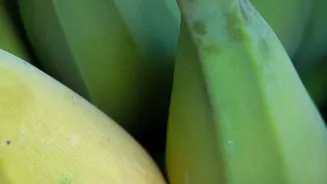
The core of the advice is simple yet brilliant: don't buy a bunch of bananas that are all the same shade of yellow. Instead, curate your own bunch with a variety of colours. Pick a couple that are perfectly yellow and ready to eat today. Add a few that are yellow with green
tips, which will be ripe in a day or two. Finally, grab one or two that are mostly green. This staggered approach ensures you have a perfectly ripe banana ready to eat each day, rather than facing a glut of overripe fruit simultaneously. You are essentially creating your own timeline for ripeness, giving you control over your fruit bowl and reducing potential food waste.
The Science of Ripening
To understand why this works, you need to know about ethylene gas. Bananas, like many other fruits, are climacteric, meaning they continue to ripen after being harvested. They do this by releasing ethylene, a natural plant hormone that triggers the breakdown of starches into sugar, softens the fruit, and turns the peel from green to yellow. When you keep a bunch of bananas together, the ethylene released by one banana encourages its neighbours to ripen faster. Ripe fruits produce even more ethylene, creating a feedback loop that speeds up the process for the whole bunch. By selecting bananas at different stages, you prevent them from all hitting peak ethylene production at the same time.
How to Slow Things Down
Besides buying mixed colours, you can further manage the ripening process at home. Separating your bananas from each other once you get them home can help. Even more effective is wrapping the stems (the crown of the bunch) in plastic or foil wrap. Most ethylene gas is released from the stems, so containing it can significantly slow down ripening. It’s also wise to store them away from other ethylene-producing fruits like apples, pears, and avocados. Keep them in a cool, dark place away from direct sunlight and heat, as warmth accelerates the ripening process. A banana hanger is also a great investment, as it prevents bruising, which can also speed up spoilage.
Putting Ripe Bananas on Pause
If a banana reaches perfect ripeness before you're ready to eat it, you can place it in the refrigerator. The cold temperature significantly slows the ripening process. The peel will turn a dark brown or black, which can look unappetizing, but the fruit inside will remain at its current stage of ripeness and taste for several more days. Just be sure not to refrigerate green bananas, as the cold can halt their ability to ripen properly altogether.
Embrace the Brown: Uses for Overripe Fruit
Even with the best planning, you might end up with a few bananas that have gone too far. Don't throw them out. Overripe bananas are intensely sweet and have a soft texture perfect for baking. They are the secret ingredient for moist and flavourful banana bread, muffins, pancakes, and cookies. If you're not ready to bake, simply peel them, chop them up, and store them in an airtight container or bag in the freezer. Frozen bananas are fantastic for making creamy smoothies and healthy 'nice' cream. By having a plan for every stage of ripeness, you ensure that no banana goes to waste.