





Prioritise Drainage Above All
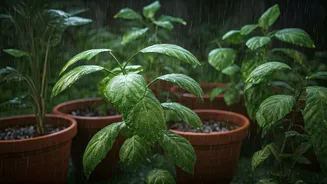
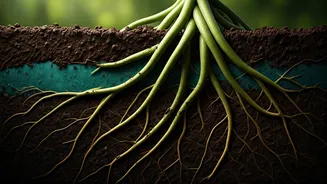
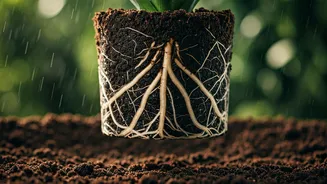
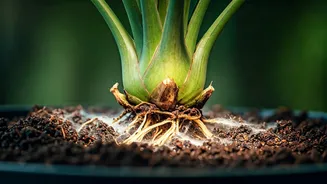
The single most common mistake during the rainy season is letting plants sit in water. While the rain is a blessing, waterlogged soil is a plant's worst enemy, suffocating roots and leading to rot. Before the heavy rains even start, ensure every pot has
clear drainage holes. For garden beds, especially those with heavy clay soil, mixing in compost or sand can significantly improve structure and water flow. A simple but effective trick is to place pots on bricks or stands, elevating them to allow excess water to escape freely and prevent them from sitting in puddles. This basic step is more critical than any fancy treatment.
Rethink Your Watering Routine
It seems obvious, but many gardeners continue their regular watering schedule despite daily rain. This leads to overwatering, which deprives roots of oxygen. The rule is simple: let nature take the lead. Before reaching for the watering can, check the soil first. Stick your finger about two inches deep; if it feels damp, your plant does not need more water. Container plants, especially those under a dense canopy of leaves or on a covered balcony, might still need occasional watering as the rain may not reach their soil. Observation is your best tool.
Hold the Fertiliser
Heavy, constant rain can wash away essential nutrients from the soil. While it may seem logical to compensate by adding more fertiliser, it's often counterproductive. Applying fertiliser, especially liquid types, during heavy downpours means most of it will just wash away before the plant can absorb it. A better approach is to use organic options like compost or well-rotted manure, which release nutrients slowly and also improve soil structure. If you must fertilise, do so during a dry spell between rains to ensure it has time to work its way into the soil.
Focus on Air Circulation
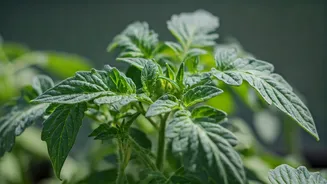
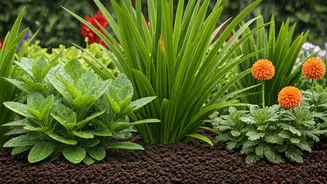
The warm, humid conditions of the monsoon are a perfect breeding ground for fungal diseases like powdery mildew and leaf spot. Instead of reacting with chemical sprays, focus on prevention. Good air circulation is key. Prune your plants to thin out dense foliage, removing any dead, yellowing, or diseased leaves promptly. This allows air to move through the branches, helping leaves dry faster after a shower and reducing the chances of fungal spores taking hold. Also, ensure your plants aren't too crowded; proper spacing makes a big difference.
Watch for Pests
Rainy weather also brings out pests like snails, slugs, and various insects that thrive in damp conditions. Make it a habit to inspect your plants regularly, paying close attention to the undersides of leaves where pests often hide. Keeping the garden area clean by removing fallen leaves and debris will eliminate potential hiding spots and breeding grounds. For many common pests, a simple spray of neem oil solution, applied every 10-15 days, can act as an effective and organic deterrent.
Provide Physical Support
Strong monsoon winds and the weight of water from heavy downpours can be brutal on plants, especially those with tall stems or large flowers. Stems can bend and break, causing irreversible damage. Before the storms get intense, provide support for vulnerable plants. Simple stakes, trellises, or ties can help them withstand the elements. This proactive step can save you the heartache of finding your prized plants flattened after a storm.