






What Are 'Sand Valleys'?
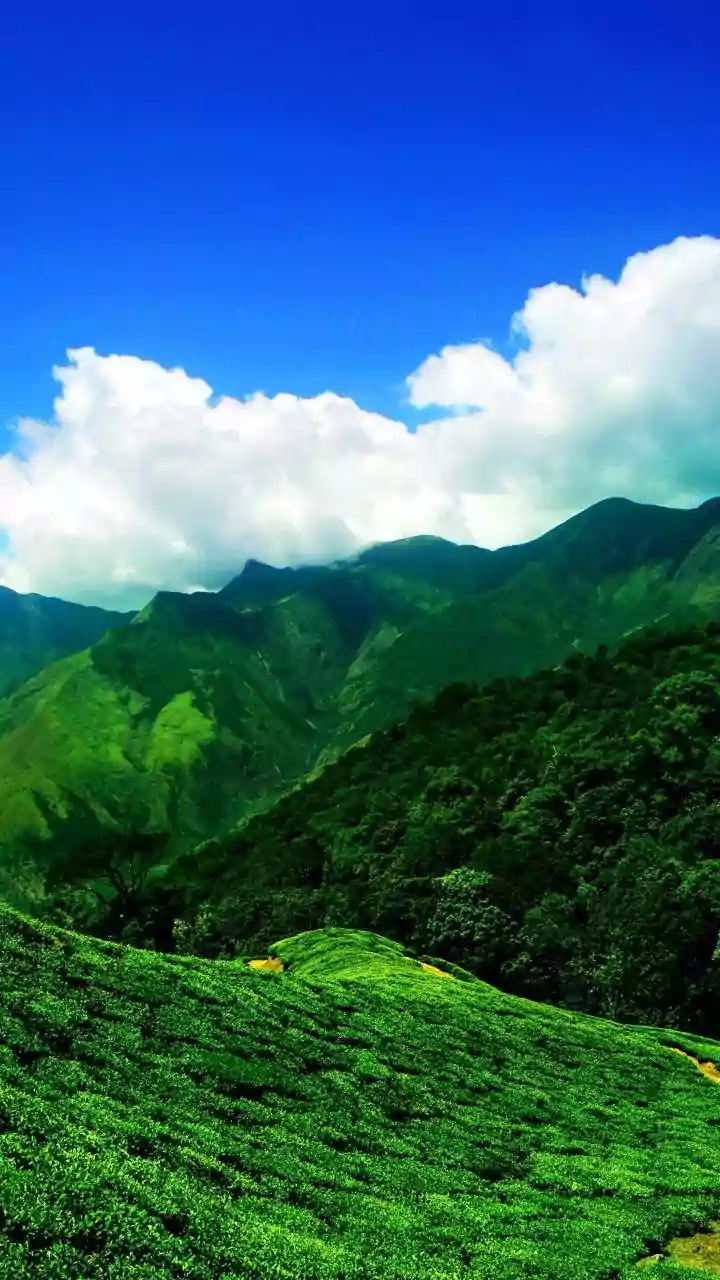
While not a formal geological term, 'sand valleys' perfectly captures the unique geography of India's southwestern coast. Here, winding rivers flowing from the Western Ghats slow down as they approach the Arabian Sea, depositing rich silt and fine sand.
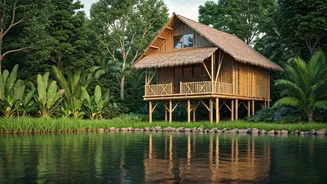
This process creates sprawling estuaries, tranquil backwaters, and lush river basins fringed with coconut groves and mangroves. These are not valleys of dry sand, but vibrant, water-fed landscapes defined by their sandy beds and banks. Exploring them via an eco-tour means choosing an experience that respects these fragile ecosystems, supports local communities, and offers a deeper connection to the nature you've come to see.
Kerala: The Quintessential Backwaters
When you think of serene waterways in India, you likely picture Kerala. The famous backwaters, a vast network of lakes, canals, and lagoons, are the ultimate sand valley experience. Eco-tours here are moving beyond the typical large houseboats. Today, you can opt for smaller, solar-powered boats or traditional canoes (vallam) that allow you to navigate narrower channels inaccessible to bigger vessels. Responsible operators ensure waste is properly managed and hire guides from local villages. A tour might involve gliding silently past paddy fields, visiting a coir-making unit run by local women, and enjoying a home-cooked meal at a village homestay. This approach minimizes your carbon footprint while maximizing authentic cultural exchange.
Karnataka: The Unexplored River Estuaries
Just north of Kerala, the coast of Karnataka offers a wilder, less-trodden sand valley experience. The Sharavathi and Aghanashini rivers form two of the most pristine estuaries in the country. The Sharavathi, which creates the famous Jog Falls further inland, empties into the sea near Honnavar, creating a vast mangrove forest that is a haven for birdlife. Eco-tours here focus on conservation and education. You can take a boat trip through the mangroves with a naturalist who can identify dozens of bird species, from brahminy kites to hornbills. Many tours partner with local conservation NGOs, and part of your fee often goes towards mangrove reforestation projects. It's an ideal choice for the traveller who wants to see nature in its rawest form and contribute directly to its preservation.
Goa: Beyond the Beach Parties
Goa is synonymous with beaches, but its soul resides in its rivers, the Mandovi and Zuari. These create a lush inland world of sleepy villages, spice plantations, and dense forests. An eco-tour here offers a completely different perspective on the state. You can kayak down the quiet Sal Backwaters in South Goa, spotting otters and a variety of birds. Other tours take you into the hinterlands to visit organic spice farms, where you can learn about vanilla, cardamom, and pepper cultivation. These experiences are often run by locals who have a deep, ancestral connection to the land. By choosing a river-based eco-tour in Goa, you are helping to promote a sustainable tourism model that values the state’s natural heritage over commercial excess.
Choosing the Right Eco-Tour
The 'eco' label is popular, so it's important to choose a genuinely responsible operator. Look for companies that are transparent about their practices. Do they employ local guides? How do they manage waste? Do they contribute to community development or conservation? Genuine eco-tours prioritize small group sizes to minimize disturbance to wildlife. They focus on education, helping you understand the ecosystem you are visiting. Look for certifications or partnerships with reputable environmental organisations. A little research ensures your travel money supports businesses that are truly dedicated to protecting these magnificent sand valleys for generations to come.