
A Sweet Return to Health and Tradition
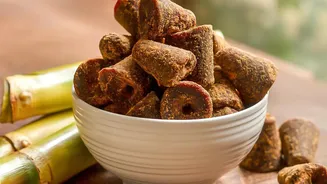
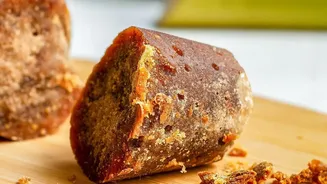
The movement towards jaggery, or 'gur', is driven by a perfect blend of modern health consciousness and nostalgia. Unlike white sugar, which is stripped of nutrients during processing, jaggery is unrefined and retains minerals like iron, potassium, and magnesium.
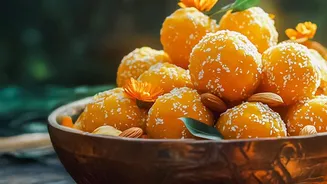
This makes it a popular choice for families looking for more wholesome alternatives. Beyond the nutritional benefits, there's a deep-seated cultural connection. Jaggery has been a staple in Indian households for centuries, used in everything from festive sweets to everyday meals. Today's home bakers are rediscovering its rich, complex flavour, which adds a comforting, earthy depth that one-dimensional white sugar simply cannot match. This trend taps into a growing desire for 'clean labels' and natural ingredients, transforming the simple act of baking into a conscious choice for wellness.
More Than Just a Simple Swap
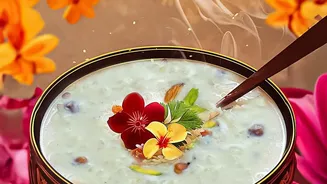
While the benefits are clear, replacing sugar with jaggery isn't always a straightforward 1:1 substitution. Jaggery is a natural humectant, which means it retains moisture. This property can result in wonderfully soft and moist cakes, but it might require reducing other liquids in a recipe to get the texture just right. Its natural acidity can also pose a challenge, sometimes causing milk to curdle in recipes like kheer or payasam if not handled correctly. A common technique is to melt the jaggery and add it to the milk mixture off the flame. Furthermore, jaggery's sweetness is less intense than refined sugar's. Many bakers find that using slightly more jaggery—about a 1.25 to 1 ratio—helps achieve the desired level of sweetness without compromising the dessert's structure. Powdered jaggery is often preferred for baking as it integrates more smoothly than solid blocks.
The New Wave of Gur Desserts
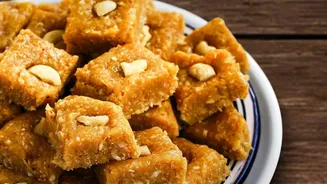
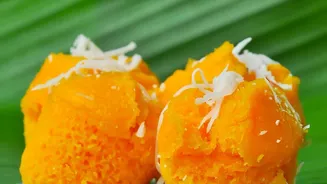
The real excitement lies in the innovative ways home bakers are using this traditional ingredient. The applications go far beyond classic laddoos and chikkis. Kitchens across India are turning out sophisticated desserts with a desi twist. Imagine a rich, decadent chocolate brownie with the deep, caramel notes of jaggery, or a creamy cheesecake that gets its sweetness and a beautiful golden hue from 'gur'. Other popular creations include jaggery-sweetened banana bread, mango sorbet, and even Western classics like panna cotta and mousse infused with its earthy flavour. These creations demonstrate that jaggery is not just a substitute but an ingredient that can elevate a dish, adding its own unique character and complexity. The trend is proving that wholesome and indulgent are not mutually exclusive.
A Quick Guide to Different Jaggeries
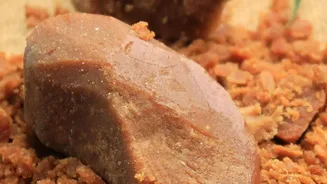
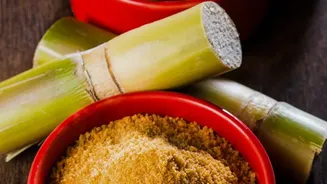
Not all jaggery is the same, and knowing the difference can unlock new layers of flavour. The most common type is Sugarcane Jaggery, which has a mild, versatile sweetness perfect for everyday use. Then there's Date Palm Jaggery, famously known as 'Nolen Gur' in West Bengal. Available mainly in winter, it has an intense, almost chocolatey, smoky flavour that is highly prized in regional sweets like payesh and sandesh. Coconut Jaggery, made from coconut palm sap, is another popular variety, especially in Goan and South Indian cuisines. It has a distinct, rich flavour and is often sold in pyramid shapes. Finally, Palmyra Jaggery, extracted from the palmyra palm, has its own unique taste profile and is packed with minerals. Exploring these varieties allows bakers to pair the right jaggery with the right dessert for a truly gourmet experience.