




Why Small Pots Struggle in Summer
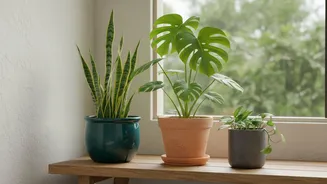
The primary challenge for any container garden is the limited soil volume. Unlike plants in the ground, whose roots can search deep for moisture, a potted plant is stuck with what's in its container. The smaller the pot, the less soil it holds, and therefore,
the less water it can store. On a hot day, a plant's water usage can double as moisture evaporates from its leaves and the soil. For a small pot, this tiny reservoir can be depleted in a matter of hours, leading to wilting and stress long before evening arrives. This makes daily, and sometimes twice-daily, checks a necessity.
The Material Truth About Upcycled Pots
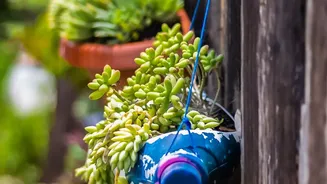
Upcycling is a fantastic way to give items a new life, but not all materials are created equal when it comes to holding plants. Metal tins and cans, for instance, are excellent heat conductors. In direct sun, they can get incredibly hot, essentially baking the soil and cooking the delicate roots inside. Thin plastic containers, like yogurt cups or bottles, offer very little insulation and can become brittle in the sun over time. While they are a great way to start seeds, their small size and thin walls make them prone to rapid drying. Even ceramic mugs or glass jars, while stylish, can pose problems if they are dark-coloured, as they absorb more heat. It is also vital to ensure any upcycled container is made of food-safe material to prevent harmful chemicals from leaching into your soil.
The Overlooked Impact of Wind
Heat isn't the only enemy of small pots; wind is a significant and often underestimated factor. A steady breeze acts like a hairdryer on your plants, stripping moisture from both the leaves and the soil surface. This evaporative effect means a windy, warm day can dry out a pot even faster than a still, hot one. Small, lightweight upcycled containers are also physically vulnerable. A strong gust can easily topple a top-heavy plant in a small plastic bottle or tin can, potentially damaging the plant and spilling its precious soil and moisture.
Smarter Watering for Small Containers
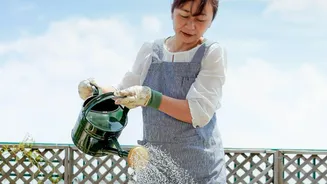
To counteract these challenges, your watering technique needs to be strategic. First, water deeply. A light sprinkle only wets the top layer of soil, which evaporates quickly. Water until it flows freely from the drainage holes to ensure the entire root ball is saturated. Second, water based on need, not a schedule. The best way to check is to stick your finger about an inch or two into the soil. If it's dry at your fingertip, it's time to water. During a heatwave, you may need to do this in the morning and again in the afternoon. Early morning is the ideal time to water, as it allows the plant to hydrate before the peak heat of the day, minimizing evaporation.
Protective Measures for Vulnerable Pots
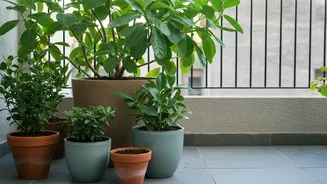
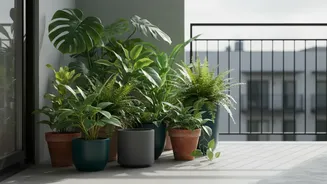
Beyond watering, a few simple adjustments can make a world of difference. Try grouping your small pots together. This creates a more humid microclimate around the plants, slowing down moisture loss for the entire group. Applying a layer of mulch—like wood chips, straw, or even small pebbles—to the soil surface can dramatically reduce evaporation and help regulate soil temperature. Finally, consider placement. If a heatwave is forecast, move your most vulnerable small pots to a spot that gets morning sun and afternoon shade. Placing them behind larger, more established plants can also offer them protection from the harshest sun and wind.