

The End of the 'Off-Season'
For years, the Indian travel calendar was predictable. Summer and winter holidays were peak season, while the monsoon months from June to September were considered the 'off-season' — a time to stay home and avoid the downpour. That thinking is rapidly
changing. The monsoon is no longer a deterrent; it's the main attraction. Recent data shows a dramatic shift, with searches for domestic monsoon travel surging by nearly 40% year-on-year. This isn't a niche phenomenon but a mainstream movement, transforming the travel industry's quietest months into a bustling new window for exploration. Hotels that once offered deep discounts to fill empty rooms are now seeing resilient demand and significant growth in bookings.
The Allure of Greener Landscapes
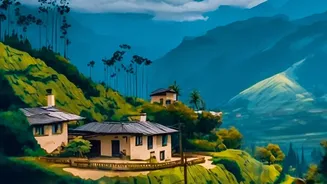
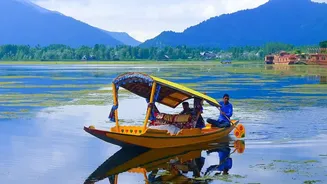
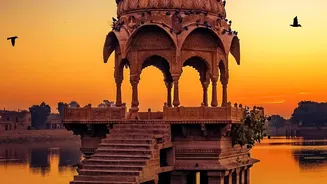
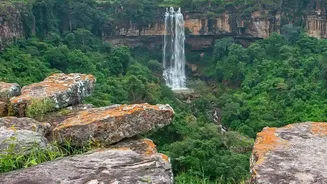
The primary driver of this trend is nature's own spectacle. The monsoon breathes life into landscapes that are often dry and dusty for the rest of the year. Hillsides in the Western Ghats, from Lonavala to Coorg, transform into a vibrant, almost electric green. Waterfalls that are mere trickles in May become thundering cascades, and lakes and rivers swell, creating breathtaking scenery. Destinations like Munnar in Kerala, with its mist-covered tea gardens, and Udaipur, where rain brings a new romanticism to its lakes and palaces, are now sought-after monsoon retreats. This desire to see India at its freshest and most dramatic is pulling travellers out of the cities and into these rain-washed wonderlands.
Smarter Travel: Fewer Crowds, Lower Costs
Beyond the scenic beauty, there are practical advantages that are hard to ignore. While the 'off-season' discount is shrinking due to rising popularity, monsoon travel still generally offers better value than the peak winter months. Flights and accommodations can be more affordable, allowing travellers to experience luxury stays for less. Perhaps more valuable than the monetary savings is the escape from crowds. Popular spots that are overrun during peak season become more serene and accessible. This allows for a more relaxed and immersive experience, whether you're exploring the forts of Rajasthan or the backwaters of Kerala. Travellers are enjoying more personalised service and the simple luxury of having a place almost to themselves.
The Rise of the 'Micro-Cation'
The way Indians travel is also changing. The traditional long annual holiday is being supplemented, and in some cases replaced, by shorter, more frequent trips. Termed 'micro-cations', these weekend or three-to-five-day getaways are perfectly suited to the monsoon. A younger generation of travellers, particularly Gen Z, prefers multiple short trips over one long one. The monsoon season, with its series of long weekends and moody atmosphere, provides the perfect excuse for these spontaneous escapes. This trend also sees a shift away from major cities towards non-metro destinations that offer unique cultural and natural experiences.
New Favourite Rainy-Day Destinations
While traditional monsoon favourites like Goa, Kerala, and Mahabaleshwar remain popular, the trend is also shining a light on new areas. The hills of Coorg and Wayanad are seeing explosive growth in bookings, with travellers drawn to their coffee plantations and lush forests. In Rajasthan, cities like Udaipur and Jaipur offer a different kind to monsoon charm, with rain-washed palaces and cooler temperatures. Even destinations in the Northeast are gaining traction, with travellers eager to experience their unique landscapes during the rainy season. This expanding map shows a growing confidence and curiosity among Indian travellers, who are willing to embrace the rain to discover the beauty it unveils.