


The Foundation: Your Backpack
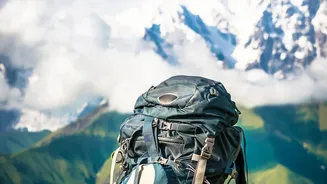
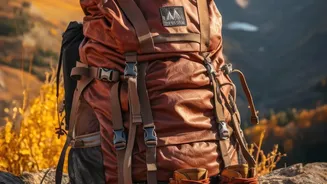
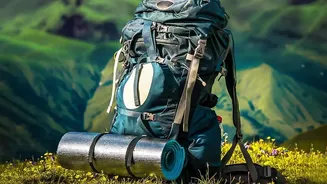
Your trek begins with the right backpack. While many trekking rucksacks are water-resistant, they are not fully waterproof. Continuous rain can seep through seams and zippers. Your first line of defense is a dedicated rain cover for your pack. For a second,
crucial layer of protection, line the inside of your backpack with a large plastic bag or use several smaller dry bags to compartmentalize your belongings. This ensures that even if the exterior gets damp, your clothes and electronics remain completely dry. A pack of 40-60 litres is generally sufficient for most short monsoon treks.
Clothing: The Quick-Dry Rule
The single most important rule for monsoon trek clothing is to avoid cotton. Cotton absorbs a massive amount of water and takes a very long time to dry, leaving you cold, heavy, and uncomfortable. Instead, build your wardrobe around layering with synthetic, quick-drying fabrics. Pack two or three quick-dry t-shirts (polyester or nylon) and one pair of lightweight trekking pants. A fleece jacket or a light synthetic insulated layer is essential for warmth during evenings or at higher altitudes, as wet conditions can make temperatures feel much colder.
Rain Protection: Jacket vs. Poncho
Your outermost layer is your shield against the downpour. You have two main options: a waterproof jacket or a poncho. A good, breathable waterproof jacket will keep you dry without trapping too much sweat and heat. A poncho is a looser alternative that has the added benefit of covering both you and your backpack, offering excellent rain protection. Some trekkers find ponchos can be cumbersome on windy or steep sections, so the choice depends on personal comfort and the nature of your trail. Either way, this is a non-negotiable item.
Footwear: Grip is Everything
Monsoon trails are notoriously muddy, slippery, and uneven. Your regular sports shoes won't cut it. Invest in a pair of trekking shoes with excellent grip and deep lugs to prevent slips and falls. While waterproof shoes are great, they can trap water that gets in from the top. An alternative is to use non-waterproof but quick-drying shoes with waterproof socks. Whichever you choose, good ankle support is crucial. Also, pack at least two pairs of moisture-wicking synthetic socks to keep your feet dry and prevent blisters.
Safety and First-Aid Kit
A well-stocked first-aid kit is essential. Your kit should include antiseptic wipes, assorted bandages for cuts and blisters, pain relievers, gauze, and medical tape. Given the terrain, also pack a crepe bandage for sprains. Monsoon forests are home to leeches, so carry leech socks or a small pouch of salt or sanitizer to deal with them. An insect repellent is also a must-have. Finally, always carry a headlamp or a small torch with extra batteries, as mist and cloud cover can cause visibility to drop suddenly.
Gadgets and Nutrition
Protecting your electronics is vital. Use waterproof zip-lock bags or dedicated dry bags for your phone, power bank, and camera. Power banks lose efficiency in cold and damp conditions, so keep them warm. For navigation, rely on a waterproof map or download offline maps on your phone, but don't depend solely on your device. For hydration, carry at least two one-litre water bottles or a hydration bladder. Pack high-energy snacks like nuts, energy bars, and dried fruit to keep you going on the trail.