


The idea of a Sunday meal prep session sounds great, but by Thursday, the reality of soggy vegetables and stale meals sets in. What if there was a better way? Enter twice-weekly batch cooking, the secret to fresher food and less daily stress.
The Smart Alternative to Sunday Prep
Instead of
cooking an entire week's worth of meals on one day, twice-weekly batch cooking splits the work into two manageable sessions, for instance, on Sunday and Wednesday. This approach keeps meals from becoming monotonous or losing their texture and flavour. It’s a flexible system that reduces the pressure of a massive weekend cook-off and helps you avoid the temptation of expensive takeaways mid-week. The goal isn't to create seven identical boxes of food, but to prepare components that can be mixed and matched, ensuring variety and freshness. This rhythm means the meals you eat on Thursday and Friday are just as appealing as the ones you had on Monday.
Key Benefits: Freshness, Flexibility, and Freedom
The most significant advantage of cooking twice a week is the improved quality and taste of your food. Many Indian dishes like dals and curries actually develop more flavour a day or two after being made, but even they have their limits. A mid-week cooking session ensures that components like sabzis and rice remain fresh. This method also reduces 'decision fatigue'—the mental load of figuring out what to cook each night. Knowing you have ready-to-assemble ingredients provides a sense of calm and frees up your evenings for family, work, or relaxation. It also helps manage food waste, as you can adjust your second cooking session based on what you've already consumed.
How to Structure Your Twice-Weekly Plan
A typical schedule involves a larger cooking session on a weekend day (like Sunday) and a shorter one mid-week (like Wednesday). On Sunday, focus on items that store well or require longer cooking times. This could include cooking a large batch of dal, preparing a base gravy or bhuna masala, boiling potatoes or chickpeas, and cooking grains like rice or quinoa. Your Wednesday session is for a quick 'refresh'. This is the time to cook fresh vegetables, make a new sabzi, grill some paneer or chicken, or knead a fresh batch of roti dough. This split ensures that delicate items are consumed closer to when they are cooked, while durable components are ready from the start of the week.
What to Cook: An Indian Kitchen Approach
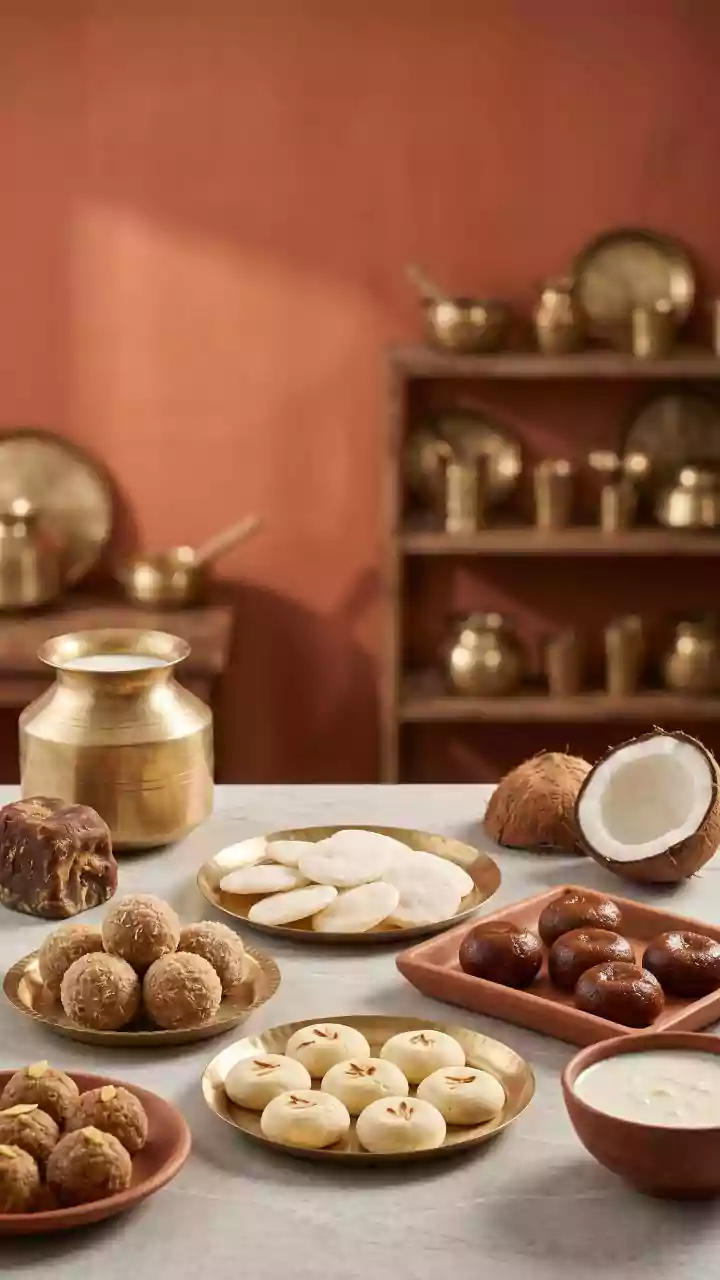
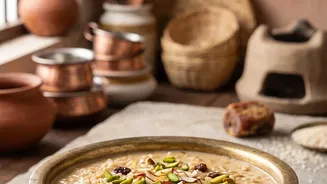
Indian cuisine is perfectly suited for this model. Many dishes are modular, built from components that can be prepared in advance. For your first session (Sunday), consider making a versatile tomato-onion masala that can form the base for multiple curries. You could also boil a pot of chana or rajma and cook a large batch of tadka dal. For the second session (Wednesday), you might stir fry some fresh seasonal vegetables, prepare a quick paneer bhurji, or make a fresh raita or chutney. Batters for dosa or cheela can also be made mid week for fresh breakfasts. This approach allows for variety; you can pair the same dal with a different vegetable dish, creating a new meal experience.
Safe Storage for a Split Week
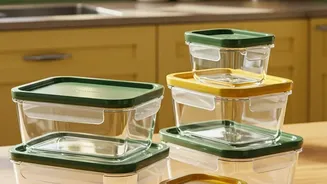
Proper storage is crucial for any meal prep. When you cook on Sunday, let all food cool completely—but for no more than two hours—before refrigerating to prevent bacterial growth. Use airtight glass or plastic containers and label them with the contents and date. According to food safety guidelines, most cooked leftovers are best consumed within 3–4 days when stored in the fridge. This makes a twice–weekly plan ideal, as your first batch of food is eaten well within this safe window. Meals intended for later in the week, cooked during your second session, will also be fresh. Anything from your first cook that you don't plan to eat by Wednesday should be frozen.