



The Ultimate Comfort Food: Khichdi
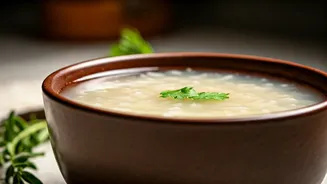
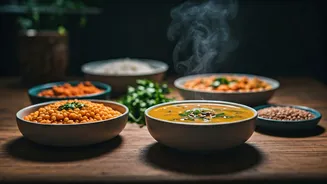
Ask any Indian about comfort food, and khichdi will likely top the list. This one-pot dish, made from rice and lentils, is the epitome of simplicity and nourishment. While its basic form is a gentle meal for when you're feeling under the weather, khichdi is incredibly
versatile. In Gujarat, it's served with a dollop of ghee and a side of kadhi. In Bengal, bhog'er khichuri is a festive delicacy laden with vegetables and spices. Regardless of the variation, it offers a complete protein, is easy to digest, and serves as a warm hug in a bowl. It’s a testament to the Indian philosophy that food should be both medicine and pleasure, proving that healthy doesn't have to be complicated.
Breakfast of Champions: Poha and Upma
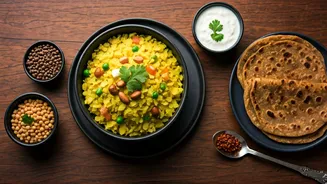
In the fast-paced Indian morning, breakfast needs to be quick, filling, and healthy. Enter poha and upma. Poha, made from flattened rice, is a light, gluten-free option popular in Western and Central India. It's often tempered with mustard seeds, turmeric, and curry leaves, and garnished with peanuts and a squeeze of lemon, making it a perfect balance of carbs, fats, and flavour. Upma, a staple in the South, is a savoury porridge made from roasted semolina (rava) and vegetables. Both dishes are cooked in under 20 minutes, require minimal oil, and provide sustained energy to kickstart the day, proving that a nutritious breakfast doesn't require hours of prep.
The Southern Star: Idli and Sambar
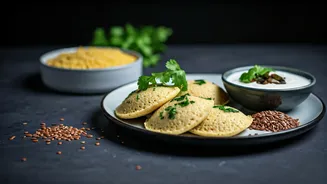
Steamed, not fried. Fermented, not processed. Idli is a masterclass in healthy eating. These soft, fluffy cakes are made from a fermented batter of rice and urad dal (black lentils). The fermentation process not only makes them easy to digest but also increases the bioavailability of nutrients like B vitamins. Paired with sambar—a tangy lentil stew packed with vegetables like drumsticks, carrots, and pumpkin—and a side of coconut chutney, it becomes a perfectly balanced meal. It’s low in calories, has no saturated fat or cholesterol, and is a powerhouse of protein and fibre. It's a breakfast that feels light but keeps you full and energized for hours.
The Daily Ritual: Dal, Sabzi, and Roti
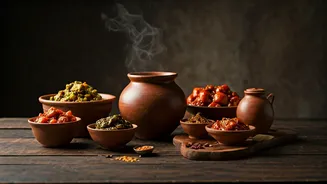
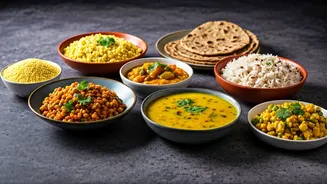
The quintessential Indian thali, in its most humble form, is perhaps the most balanced meal you can eat. A simple bowl of dal (lentil soup), a seasonal sabzi (vegetable dish), and a couple of whole-wheat rotis is the daily fare for millions. This combination ensures a steady supply of protein from the dal, vitamins and minerals from the vegetables, and complex carbohydrates from the whole-wheat flatbread. The beauty of this meal lies in its adaptability. The sabzi changes with the season, ensuring a diverse intake of nutrients throughout the year. It’s a simple, sustainable, and deeply satisfying way of eating that has nourished generations.
The Comeback Kids: Millets
Before wheat and rice dominated the Indian plate, millets like jowar (sorghum), bajra (pearl millet), and ragi (finger millet) were the staples. Today, these ancient grains are making a powerful comeback, celebrated for their incredible health benefits. Naturally gluten-free, rich in fibre, and packed with minerals like iron and calcium, millets are excellent for managing blood sugar levels and improving digestive health. From soft jowar rotis and hearty bajra khichdi to nutritious ragi porridge, Indians are rediscovering the wisdom of their ancestors. This “millet revolution” is a clear sign that the love for simple, healthy, and traditional food is stronger than ever, moving from rural kitchens to trendy urban cafes.