




Drainage Is Your First Line of Defence
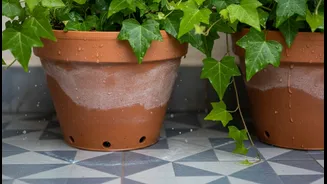
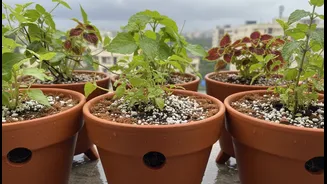
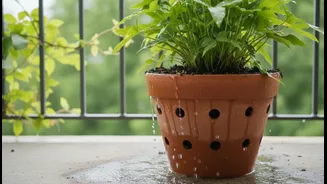
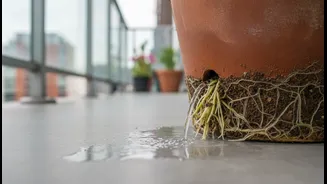
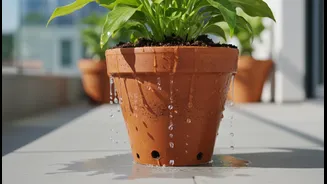
The single biggest threat to balcony plants during the monsoon is waterlogged soil. When roots sit in stagnant water, they are deprived of oxygen, leading to root rot, a condition that can quickly become fatal. The first step is to ensure every pot has
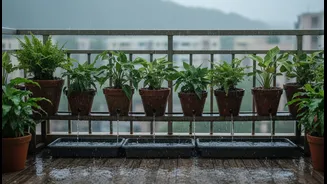
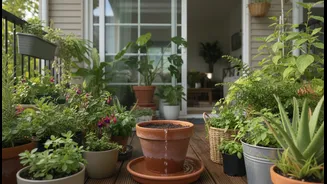
unobstructed drainage holes. It's a common mistake to assume plants don't need monitoring because it's raining, but pots on covered balconies may not get enough rain while others become saturated. A simple but crucial habit is to empty the saucers or trays beneath your pots after every shower. Lifting pots off the ground using bricks, stones, or pot stands can also dramatically improve drainage and airflow, preventing the base from sitting in a puddle. For soils that are heavy and retain too much water, consider repotting into a lighter, more porous mix amended with sand or coco peat.
Provide Shelter from Rain and Wind
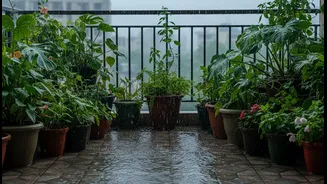
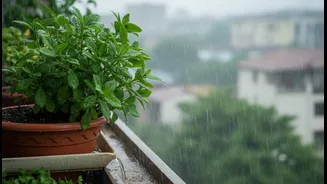
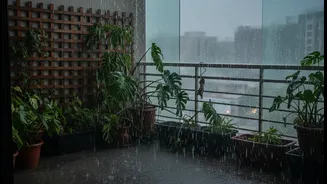
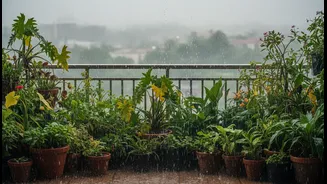
Intense downpours and strong winds can physically damage your plants, shredding leaves and breaking stems. For smaller or more delicate plants, the simplest solution is to temporarily move them to a more sheltered spot under a roof or against a wall. Grouping pots together can create a more stable cluster that is less likely to tip over. For a more permanent solution against wind, you can install bamboo screens or even use tall, sturdy plants like ornamental grasses as a natural windbreak. These not only protect your garden but also add privacy and a lush aesthetic. In case of very heavy, direct rainfall, which can cause soil erosion in pots, providing some temporary cover can be necessary.
Guard Against Pests and Fungi
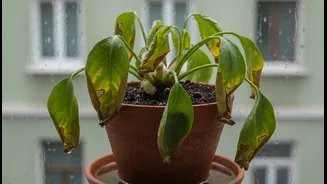
The high humidity of the monsoon creates a perfect breeding ground for a host of pests and fungal diseases. Fungal issues like powdery mildew and leaf spot appear as white patches or dark spots on leaves, while pests such as mealybugs, aphids, and snails multiply rapidly in the damp conditions. Regular inspection is key to catching these problems early. Pruning away yellowing, dead, or infected leaves improves air circulation and prevents diseases from spreading. A preventive spray of diluted neem oil every 10 to 15 days is an effective organic method to keep many common pests at bay. Also, be sure to remove any weeds or fallen leaves from your pots, as they can harbour fungi and pests.
Rethink Your Watering Schedule
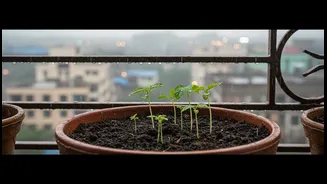
It might seem counterintuitive, but you still need to be mindful of watering during the monsoon. Don't assume the rain is doing all the work for you. Plants under a deep overhang might get very little water. Conversely, watering on a fixed schedule can easily lead to overwatering when the air is already humid and the soil is slow to dry. The best approach is to check the soil manually. Insert your finger about an inch or two into the soil; if it feels dry at that depth, then it's time to water. If it's moist, wait another day. This simple test helps you avoid the number one cause of plant failure during the rains: root rot from overwatering.
Adjust Your Fertilising Routine
Heavy rains can leach essential nutrients from the potting soil, washing them out through the drainage holes. While this might tempt you to fertilise more often, it's important to be cautious. Plants are often under stress from low light and waterlogged conditions, making them less able to absorb nutrients effectively. Over-fertilising can burn the roots of a stressed plant. During the monsoon, it's best to reduce the frequency and strength of your fertiliser. Opt for a slow-release organic manure or compost, which provides a steady, gentle supply of nutrients without overwhelming the plant. Avoid heavy chemical fertilisers until the weather becomes drier and sunnier.