



Redefine the 'Shortcut'
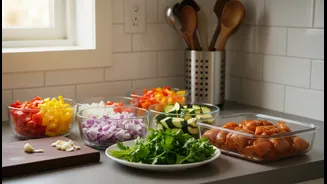
The term 'shortcut' can sometimes have a negative connotation, suggesting laziness or a compromise in quality. It's time to reframe that thinking. A thoughtful shortcut isn't about cutting corners; it's about strategic cooking. It's about using convenient
ingredients and smart techniques to save time, reduce stress, and prevent food waste, all while producing delicious meals. By embracing things like pre-chopped vegetables or a quality jarred sauce, you’re freeing up time and energy to focus on other parts of the meal, or simply to relax. These strategies make home cooking more accessible and sustainable in the long run.
Embrace Your Freezer
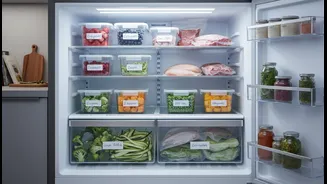
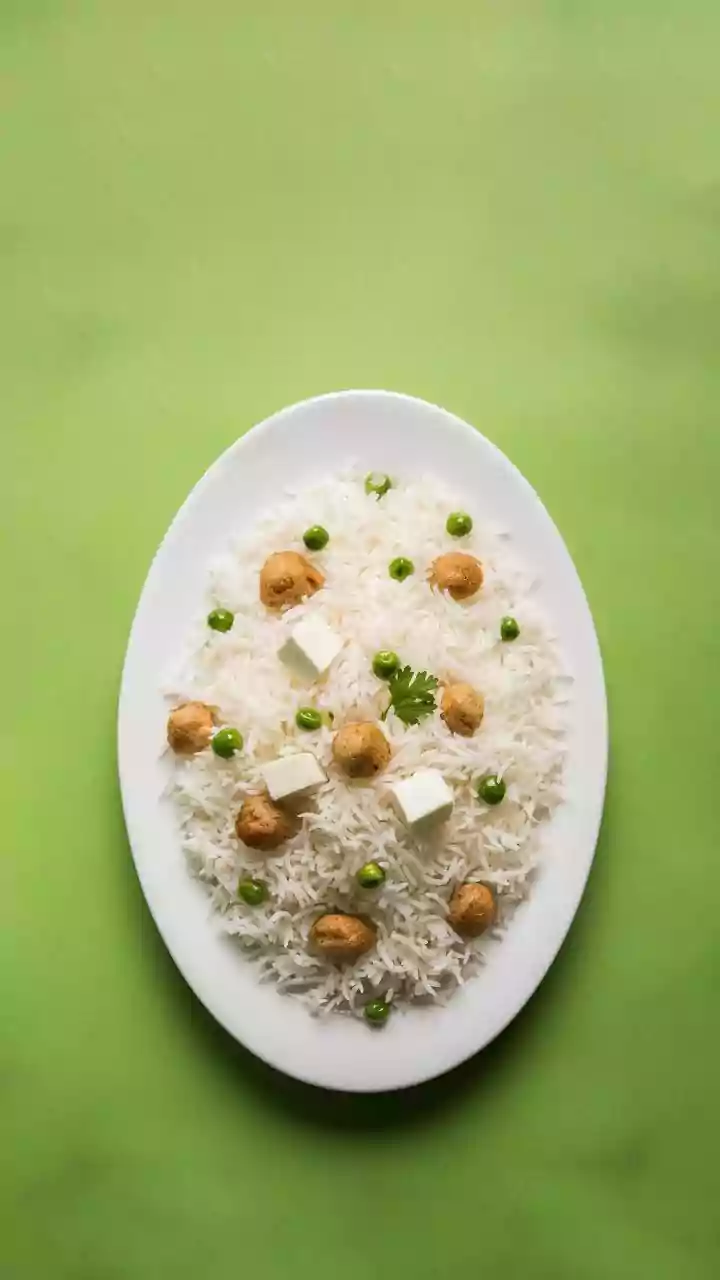
The freezer is one of the most powerful tools for affordable and interesting cooking. Frozen fruits and vegetables are nutritional powerhouses, often picked at their peak ripeness and flash-frozen to lock in vitamins and minerals. They are typically less expensive than fresh, especially for out-of-season produce, and their long shelf life drastically reduces food waste. Beyond produce, the freezer is perfect for batch cooking. Prepare large quantities of staples like rice, shredded chicken, or meatballs and freeze them in meal-sized portions. This means on a busy night, a wholesome, home-cooked meal is just minutes away from being ready.
Unlock Your Pantry's Potential
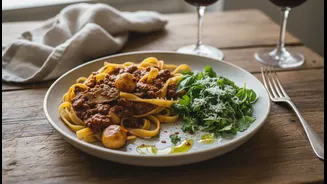
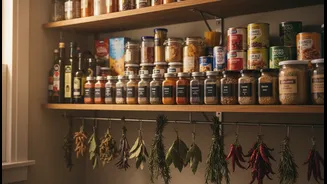
A well-stocked pantry is the foundation of quick, budget-friendly meals. Versatile staples like pasta, rice, canned beans, and lentils can form the base of countless dishes. Canned beans and chickpeas, for instance, are an inexpensive source of protein, ready to be tossed into salads, simmered into a chili, or mashed into a dip with minimal effort. A good jar of pasta sauce can be a meal-saver, but it doesn’t have to be bland. You can easily elevate it by stirring in fresh or dried herbs, sautéed onions and garlic, or some leftover vegetables. Keeping these staples on hand means you always have the building blocks for a satisfying meal without a last-minute trip to the store.
The Art of Elevating the Store-Bought
Using pre-made ingredients is one of the ultimate time-saving shortcuts. A store-bought rotisserie chicken can be shredded for tacos, casseroles, or soups. Frozen pizza can be transformed by adding your own fresh toppings, like extra vegetables or a sprinkle of different cheeses. Even a simple pre-made potato salad or coleslaw can be brightened up with a handful of fresh, chopped herbs like chives or parsley. The key is to use the store-bought item as a base and add a personal, fresh touch. A dash of hot sauce, a squeeze of lemon, or a sprinkle of spices can make a generic product taste uniquely yours.
Master Batch Cooking and Meal Prep
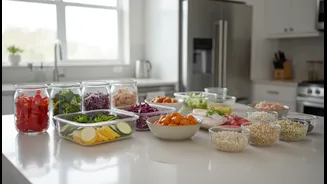
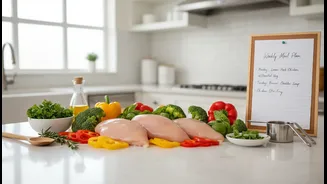
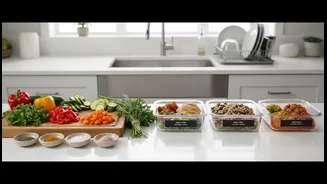
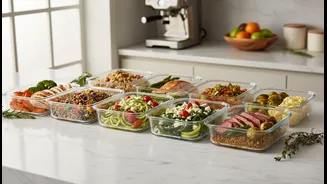
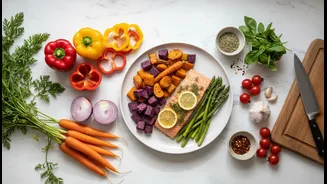
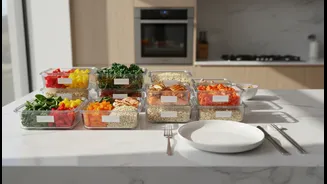
Batch cooking is the practice of preparing large quantities of food at once to be used over several days. This doesn't mean eating the exact same meal all week. Instead, focus on cooking versatile components. For example, you can roast a large tray of vegetables, cook a big pot of quinoa, and grill several chicken breasts on a Sunday. During the week, you can assemble these components in different ways: as a grain bowl one night, inside a wrap for lunch the next day, and mixed with pasta and sauce on another. This strategy saves immense time during busy weeknights, reduces daily cooking stress, and helps control portion sizes.