
The Allure of a Greener World
For years, the peak tourist season in Assam has been the dry winter, from November to April, when clear skies make wildlife spotting in its famous national parks ideal. The monsoon, from June to September, was traditionally viewed as the off-season, marked
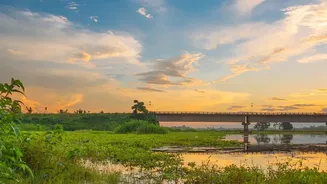
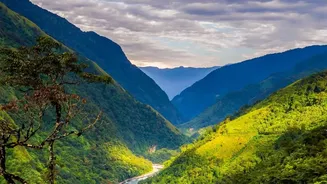
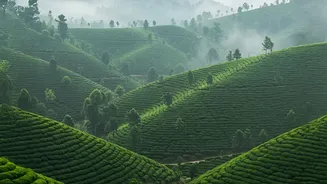
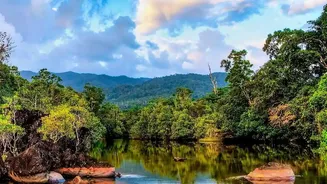
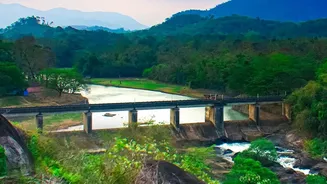
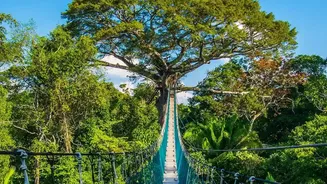
by floods and logistical hurdles. However, a shift is underway. A new wave of travellers, often described as eco-conscious and proponents of 'slow travel', are discovering that the rain is not an inconvenience but the main event. They are drawn by the promise of a state transformed into a vibrant, emerald paradise, where mist hangs over hills and the scent of damp earth fills the air. This quieter, more introspective travel experience comes with the added benefits of fewer crowds and more affordable prices, offering a more personal connection with the land.
Rethinking the Itinerary: Beyond the Big Parks
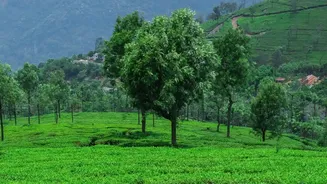
It is crucial for any monsoon traveller to know that major wildlife sanctuaries like Kaziranga National Park, a UNESCO World Heritage Site, are largely closed during these months. The Brahmaputra River floods vast areas of the park, making safaris impossible. But this closure pushes visitors to explore other facets of Assam’s charm. The sprawling tea estates surrounding Jorhat and Dibrugarh become the star attractions, their rolling hills covered in a carpet of impossibly green leaves. Many heritage tea bungalows offer stays, allowing guests to immerse themselves in the serene, rain-drenched atmosphere. Similarly, Assam's only hill station, Haflong, offers misty landscapes and tranquil lakes perfect for a peaceful retreat.
Where Water Is the Main Attraction
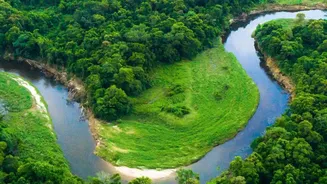
While some parks close, others come alive. Dibru-Saikhowa National Park, a unique biosphere reserve made up of wetlands and rivers, is open year-round and is best explored by boat during the monsoon. It becomes a haven for birdwatchers. The mighty Brahmaputra River, swollen with rain, is a majestic sight, and evening cruises from Guwahati offer dramatic sunset views against cloudy skies. Spiritual sites also gain a unique aura. A ferry ride to Majuli, the world's largest river island, offers a glimpse into the resilient culture of its Vaishnavite monasteries, though travellers must remain flexible as ferry services can be unpredictable. In Guwahati, the iconic Kamakhya Temple, perched atop the Nilachal Hills, feels even more mystical when shrouded in monsoon mist.
The Conscious Traveller's Choice
This emerging trend is about more than just pretty landscapes; it represents a move towards more sustainable and responsible tourism. By visiting in the 'off-season', tourists help distribute the economic benefits of their travel more evenly throughout the year, supporting local communities that might otherwise only see income during the winter rush. This has also fueled the growth of community-based initiatives, such as homestays where visitors can experience authentic Assamese hospitality. It's a style of travel that prioritizes meaningful engagement over a checklist of sights, focusing on the simple pleasure of watching the rain fall on a tea garden or sharing a hot meal with a local family. For those willing to embrace a bit of unpredictability, Assam in the monsoon offers a raw, unfiltered, and deeply rewarding experience.