







Our Algorithmic Overlords
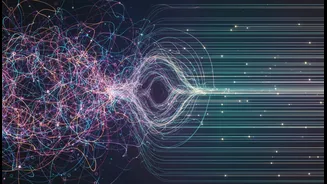
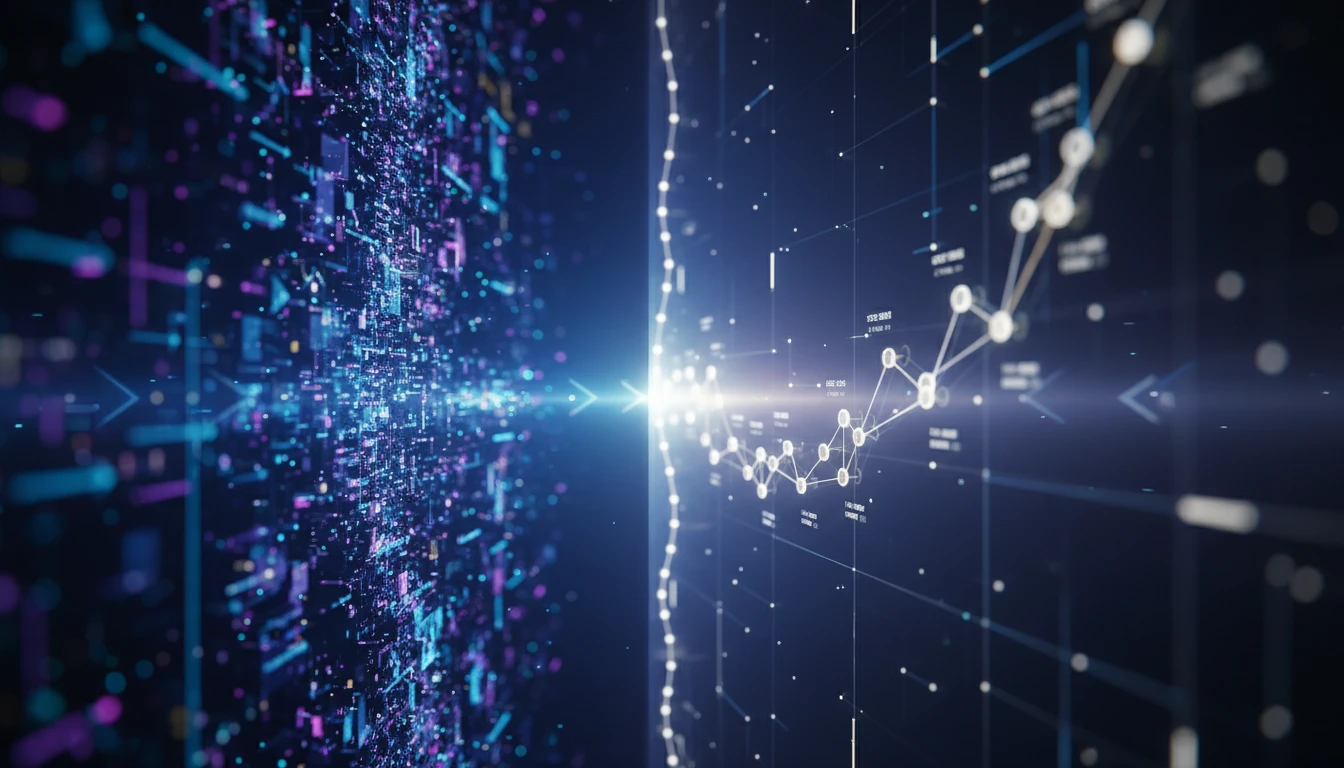
First, let's be clear about what an algorithmic feed is. In simple terms, it's a system that decides what to show you based on your past behaviour. Platforms like Meta and X (formerly Twitter) use these systems to sort through millions of posts and show you what they
predict you'll find most engaging. The goal is straightforward: the more you engage—by liking, sharing, or commenting—the longer you stay on the platform, and the more ads you see. This model has been incredibly successful at personalising content and helping users discover new trends and topics. However, critics argue it also creates echo chambers by showing us more of what we already believe, and it often prioritises sensational or polarising content because it triggers strong emotional reactions.
The Chronological Promise
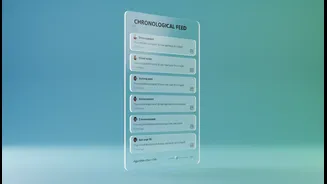
The main alternative is the chronological feed, where posts appear in the order they were published. The appeal is obvious: transparency and control. You know exactly why you're seeing something—because it was just posted by someone you follow. There's no invisible hand curating your reality or optimising for your engagement. This approach puts you back in the driver's seat, allowing you to curate your own experience by choosing who to follow and using tools like lists. Proponents believe this fosters a more authentic community experience, free from the business incentives that drive big-platform algorithms. Several newer, smaller platforms like Retro and Perfectly Imperfect are building their communities around this principle, betting that users crave a more human-centric online space.
Beyond the Nostalgia Trap
This is where the headline's caution against nostalgia becomes critical. A purely chronological feed is not a magic bullet. In the early days of social media, when feeds were chronological, they quickly became overwhelming. If you follow hundreds of accounts, a chronological feed can feel like drinking from a firehose, making it easy to miss important updates from close friends while your feed is dominated by the most frequent posters. One study even found that a chronological feed could expose users to more content from untrustworthy sources than a standard ranking algorithm. The reality is that even a chronological feed is still an algorithm—just a very simple one based on time. The problem isn't necessarily the existence of an algorithm, but the goals it's designed to achieve.
Finding a Middle Ground
The most promising solutions may not be 'algorithm-free' but rather 'algorithm-aware.' The future likely lies in hybrid models that give users more meaningful control. Imagine being able to dial your algorithmic suggestions up or down, or having a dedicated, truly chronological view for only the people you follow. Some platforms are already moving in this direction. Networks in the 'fediverse,' like Mastodon, default to chronological feeds but are built on protocols that could support different algorithmic sorting options chosen by the user, not the platform. Similarly, a recent EU law forced major platforms to give users more control, leading Meta to re-introduce chronological options for Stories and Reels for European users. This signals a shift toward user agency rather than a complete rejection of technology.
The Human Curation Factor
Ultimately, moving beyond engagement-driven algorithms puts more responsibility on us, the users. Without a platform constantly suggesting what we should see, the onus is on us to build and maintain our own communities. This means being more intentional about who we follow, actively using lists to segment our feeds, and seeking out diverse sources of news and information. A study of AI chatbots in a simulated, algorithm-free social network found that they still formed echo chambers on their own, suggesting that human behaviour, not just code, drives polarisation. An algorithm can't force you to discover new communities, but an algorithm-free feed won't automatically create a healthy information diet either. True discovery requires active participation and a willingness to look beyond what's immediately presented.