




A New Race to the Moon
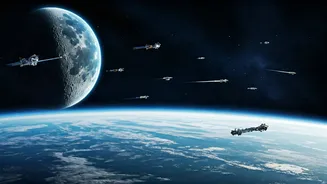
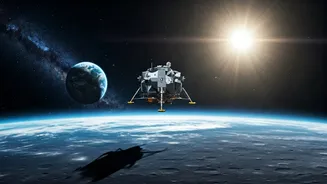
The year 2026 is defined by a renewed, and crowded, focus on the Moon. In April, NASA's Artemis II mission successfully sent four astronauts on a flyby, marking the first time humans have travelled to our nearest celestial neighbour since 1972. This was
more than just a nostalgic trip; it was a crucial test of the Orion spacecraft and Space Launch System (SLS) rocket, paving the way for future landings. But the United States is not alone. China's ambitious lunar program is also a major storyline. The Chang'e 7 mission is expected to launch in the latter half of the year, targeting the resource-rich lunar south pole with an orbiter, lander, rover, and even a small 'hopping' probe to explore shadowed craters for signs of water ice. Unlike the Cold War-era space race, this new lunar push isn't just about planting flags. It's about establishing a long-term, sustainable presence and probing for resources that could support future missions.
The Commercial Space Revolution
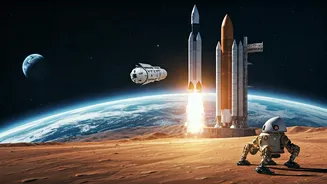
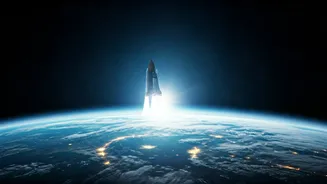
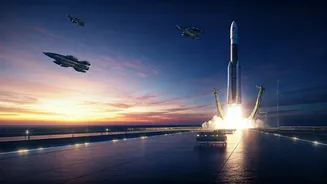
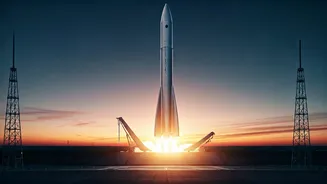
Perhaps the biggest shift in space exploration is the rise of the private sector, and 2026 is its showcase year. SpaceX's colossal Starship vehicle, central to NASA's future lunar landing plans, is undergoing a rapid series of test flights to prove its full reusability—a concept that could slash the cost of accessing space. The latest test flight in May 2026 successfully demonstrated key capabilities, even as the booster was lost, highlighting the company's iterative 'test, fail, fix' approach. Beyond launch vehicles, the first-ever commercial space station, Vast's Haven-1, is targeting a launch in May 2026. This single-module station is a crucial step towards creating a private economy in low-Earth orbit, a necessity as the International Space Station (ISS) nears its retirement in 2030. These commercial efforts are changing the paradigm from government-run exploration to a public-private ecosystem, driving innovation and creating a new space economy.
Eyes on Distant Worlds
While human spaceflight grabs headlines, 2026 is also a banner year for robotic exploration. The European Space Agency's Hera mission will arrive at the Didymos asteroid system in November, following up on NASA's DART mission to study the aftermath of the first successful planetary defense test. In the same month, Japan's Martian Moons eXploration (MMX) mission is slated to launch, aiming to land on Mars's moon Phobos and return a sample to Earth. Closer to home, NASA's Europa Clipper spacecraft, on its long journey to Jupiter's icy moon, will perform a critical gravity-assist flyby of Earth in December. These missions are designed to answer fundamental questions about the formation of our solar system, the potential for life beyond Earth, and how to protect our own planet.
The Down-to-Earth Impact
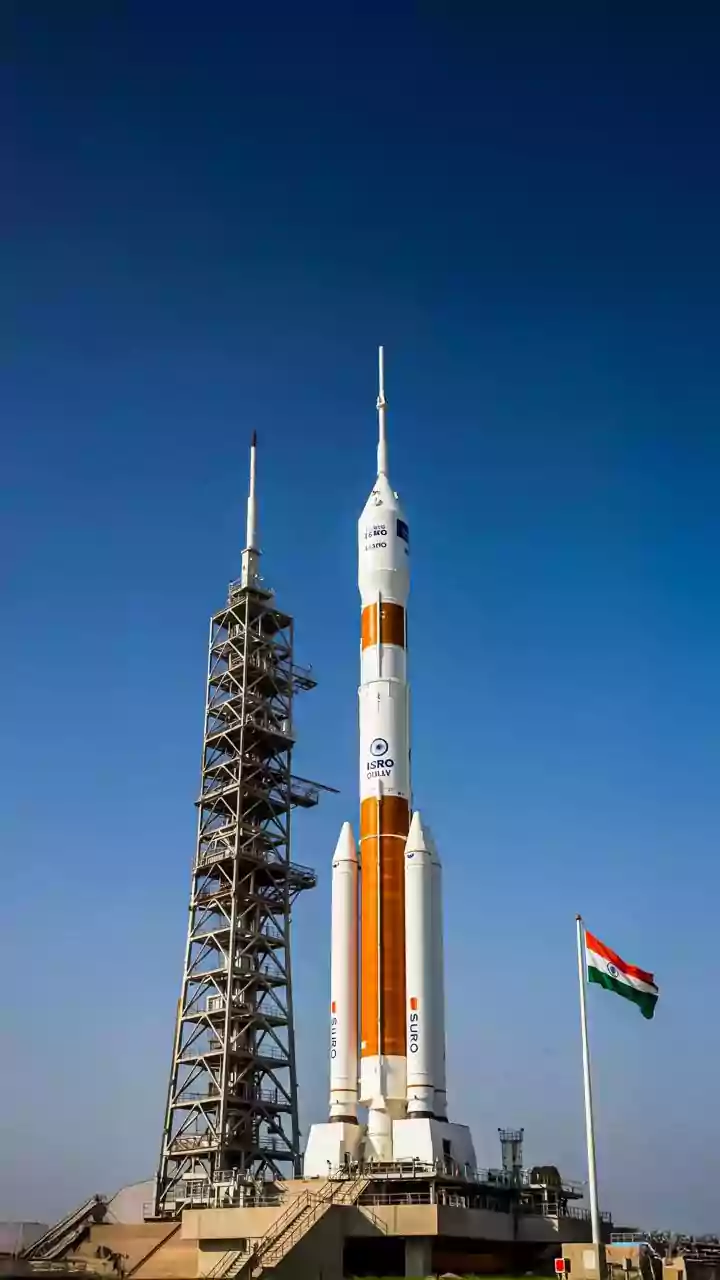
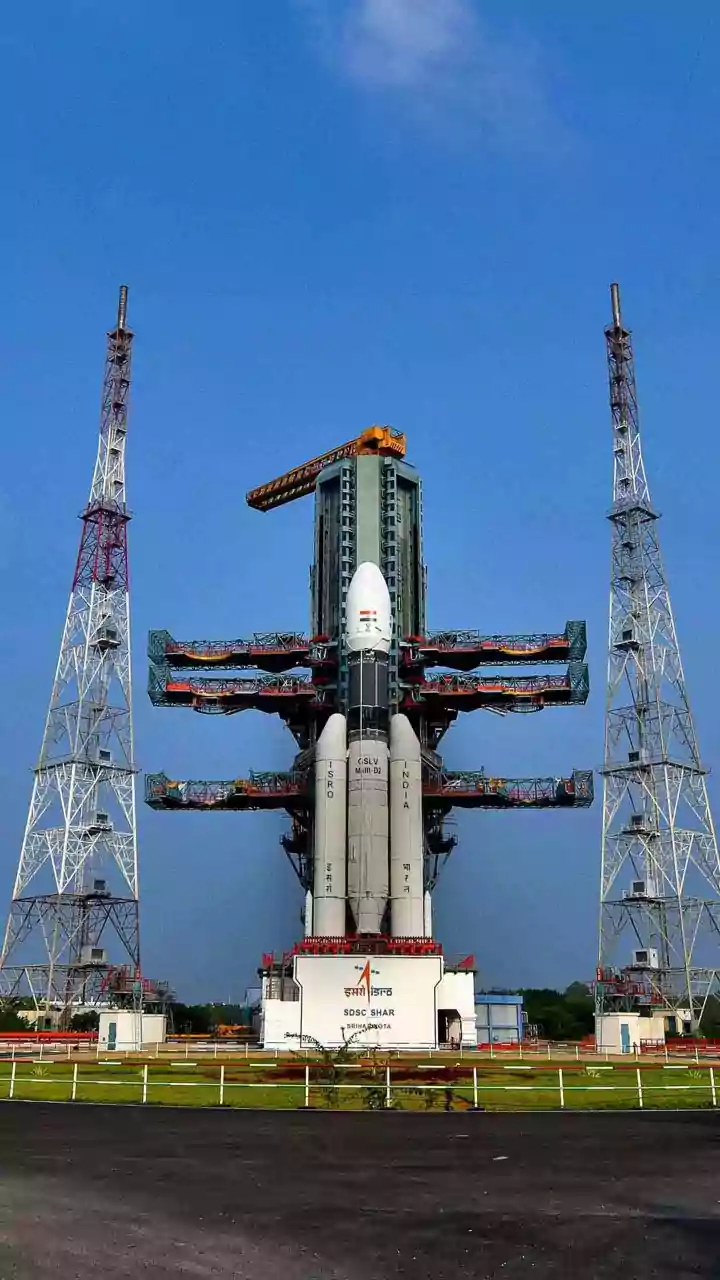
The flurry of missions in 2026 isn't just about otherworldly achievements; it has profound implications back on Earth. For India, ISRO is planning an ambitious slate of missions for the 2026-27 fiscal year, including crucial uncrewed test flights for its Gaganyaan human spaceflight program, aiming to become only the fourth nation with this capability. This domestic push is part of a larger global trend where space has become a critical arena for geopolitical competition and technological leadership. The technologies developed for these missions—from advanced propulsion to life support and AI—have direct applications in medicine, computing, and materials science. Furthermore, as nations and companies look to the Moon and beyond, they are not just exploring; they are establishing the economic and legal frameworks for a future where space is an integral part of human activity and a driver of global power dynamics.